India's Gen Alpha: Young Voices Demand Educational Reform
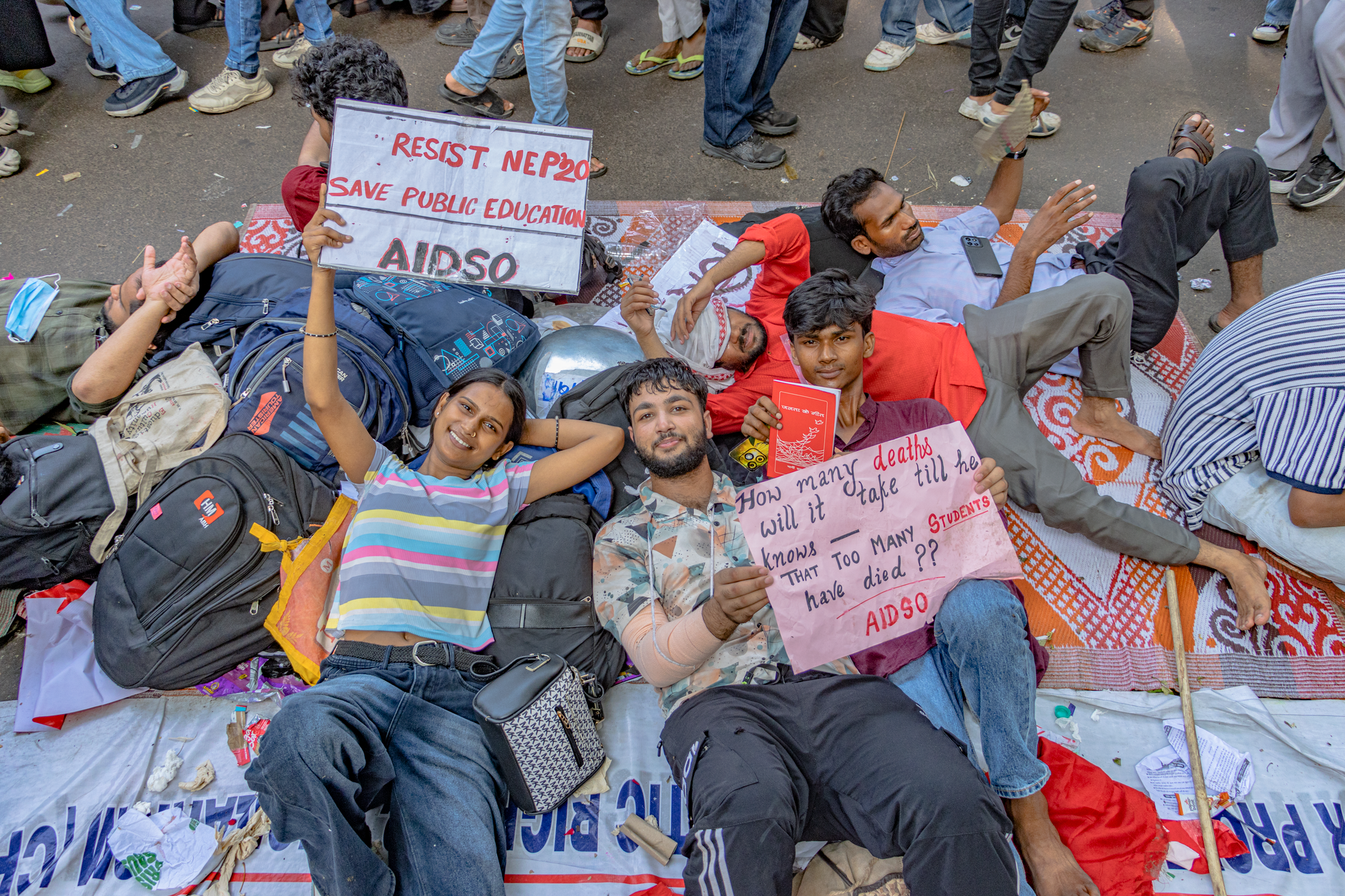
In the bustling streets of Delhi and the digital corridors of social media, India's Gen Alpha is making its presence felt. Supported by the seasoned voices of Gen Z, these young Indians are not just concerned with the present but are actively shaping the future they wish to inherit.
On 15 August, as the nation celebrated Independence Day, a grassroots initiative named ‘School Thik Karo’ was launched. This movement, demanding reforms in the education system, is spearheaded by the Centre for Justice and Peace (CJP) and has quickly captured the imagination of young and old alike. It is an echo of the previous protests led by Gen Z, who famously challenged the government on educational integrity earlier this year.
The Digital Generation
Gen Alpha, born into a world dominated by smartphones and social media, approaches education differently. They seek a system that is not only digitally inclusive but also flexible enough to cater to individual talents and aspirations. Their demands go beyond traditional examinations and rote learning, focusing instead on creativity and critical thinking.
This shift in expectations is supported by research such as the 'India’s Gen Z Outlook 2026', which highlights the changing perceptions of education and success. With Gen Z paving the way through their protests, Gen Alpha is poised to take these efforts forward with renewed vigour and focus.
A Call for Action
The call for reform is not without precedent. Earlier this year, Gen Z activists demanded the resignation of the Union Education Minister over concerns regarding national exam integrity. These actions underscore a growing discontent with the status quo and a desire for change at the highest levels.
As Gen Alpha takes up the mantle, their demands are clear: a reimagined education system that is fair, accessible, and future-ready. With broad support across generations, the question is not if, but when, these changes will be realised.
In a country where nearly half the population is below the age of 25, the voices of Gen Alpha and Gen Z are not just pertinent; they are pivotal. Their insistence on reform is a reminder of the power of youth to influence and drive national discourse.