India's GST Overhaul: What the New Reforms Mean for Business

In a move that could reshape the contours of India's economic landscape, the government has unveiled a sweeping overhaul of the Goods and Services Tax (GST) system. The reforms, rolled out as the 'GST 2.0', are designed to streamline the tax structure, reduce compliance burdens, and ultimately, spur economic growth.
The centrepiece of the reform is a simplified two-slab system with rates set at 5% and 18%, replacing the previous multi-slab configuration. This change is expected to benefit both consumers and businesses by making taxation more predictable and manageable.
A Boost for Key Sectors
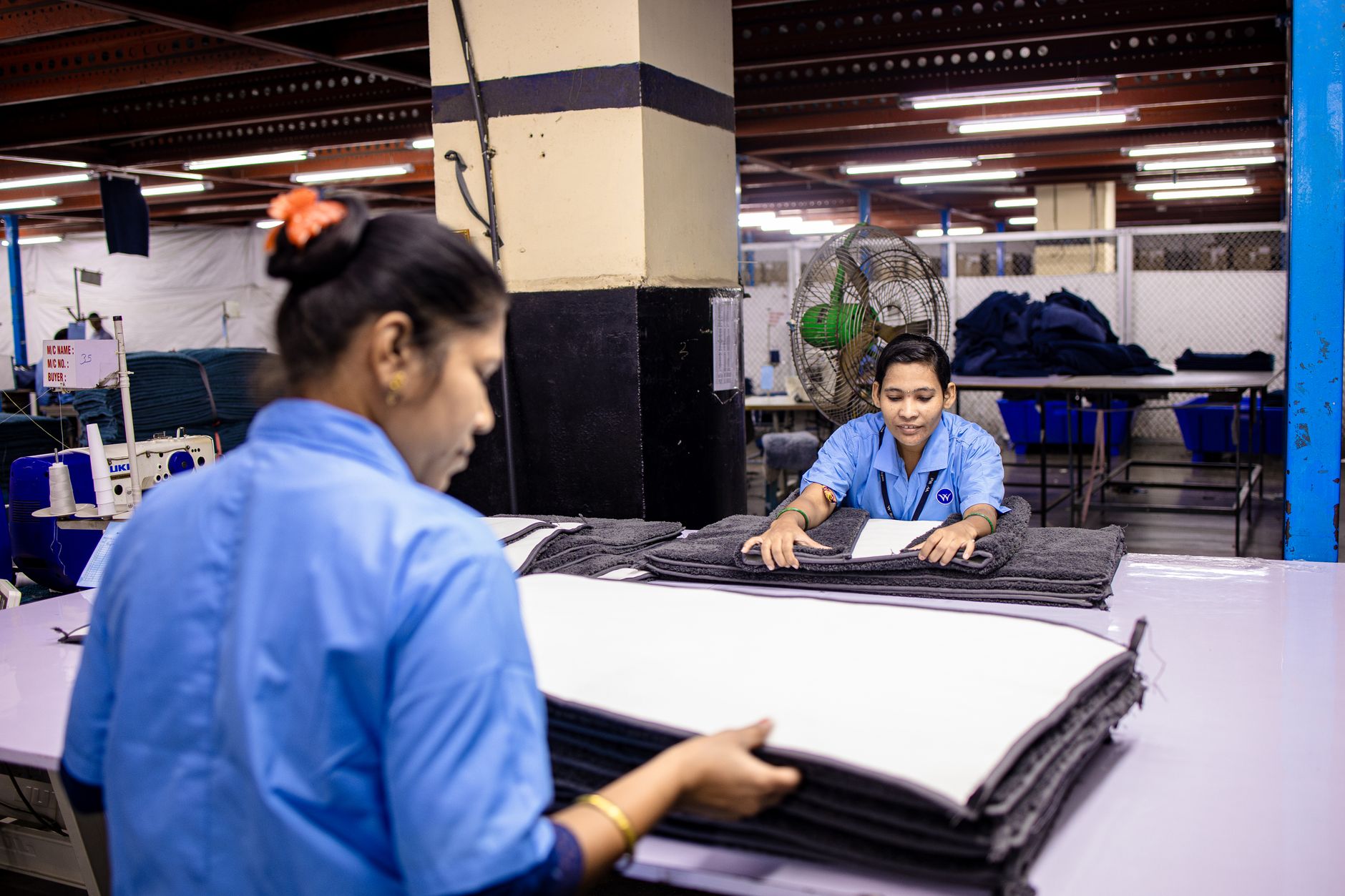
Significant rate reductions have been announced for sectors deemed essential to the economy. Industries such as textiles, logistics, leather, and handicrafts will see lowered tax burdens, which could translate into lower consumer prices and increased demand. Moreover, the reforms include faster refund mechanisms and streamlined registration processes, making it easier for startups and MSMEs to navigate the GST system.
The government has also introduced a 40% demerit rate for luxury items, aimed at balancing the tax structure while maintaining revenue streams. This measure is expected to curb the consumption of non-essential goods, aligning with broader economic and social goals.
Implications for Businesses and Consumers
For businesses, particularly those operating in essential sectors, the new GST structure promises reduced operational costs and enhanced competitiveness. By easing the tax burden, the government aims to stimulate job creation and attract foreign investment.
For consumers, the reforms herald a potential decrease in prices for everyday goods, thus increasing purchasing power. However, the impact will vary across different income groups, with middle and lower-income families likely to see the most benefits.
While the reforms have been largely welcomed by industry leaders, some experts caution that the effectiveness of these changes will depend on their implementation and the government's ability to address transitional challenges.
As India navigates these next-generation GST reforms, the world will be watching closely to see how they influence the nation's economic trajectory.