India’s Healthcare Dilemma: The 40 Crore Caught in Between
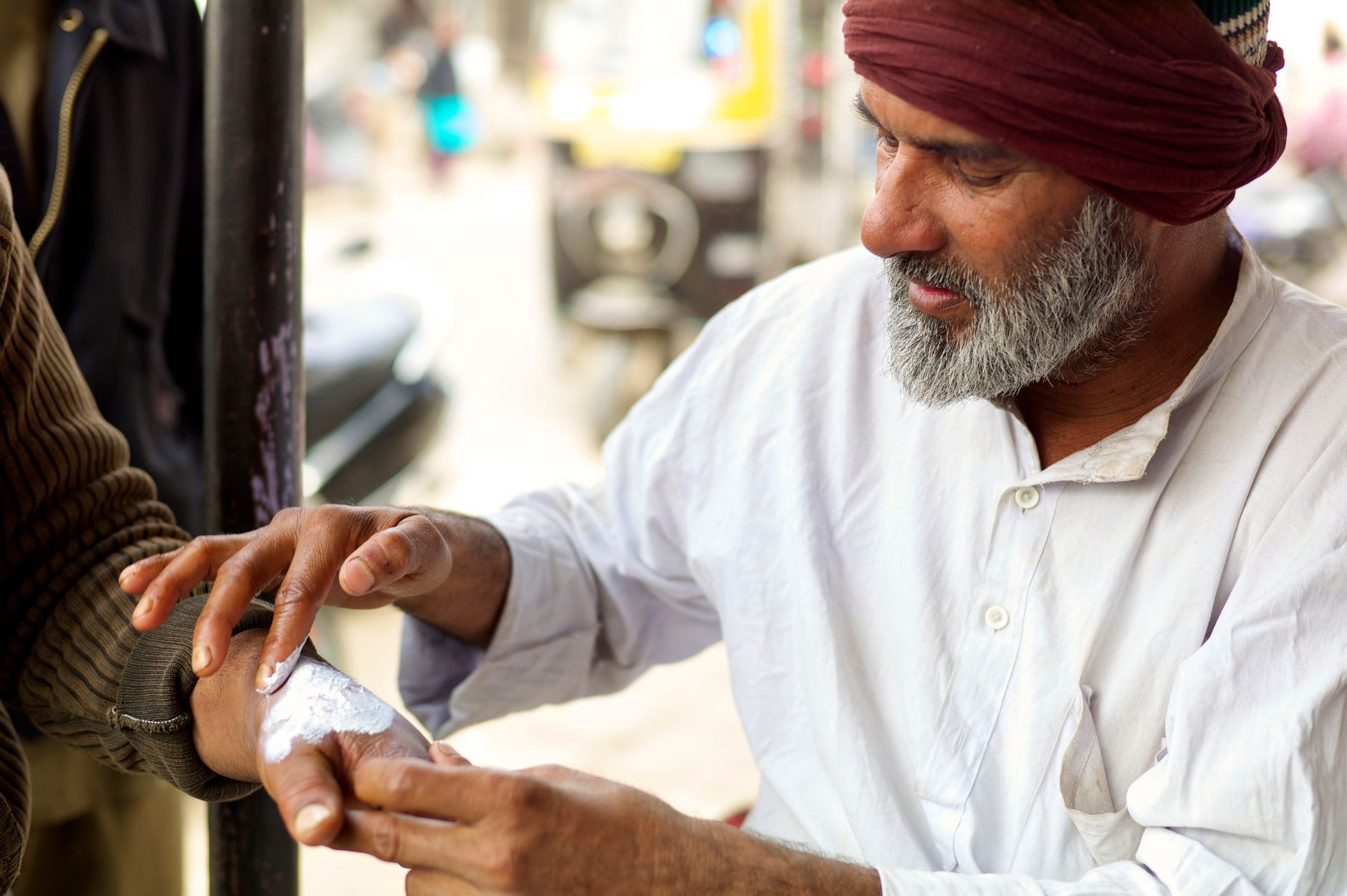
In the bustling corridors of Vijayawada's Government Hospital, the reality of India's healthcare conundrum is starkly visible. Patients line up, hoping for treatment that is both affordable and effective. Yet, for over 40 crore Indians, the so-called 'missing middle', this hope often remains unfulfilled.
This segment of the population finds itself in a precarious position—excluded from the safety nets of government health insurance and unable to afford the often exorbitant costs of private healthcare. The Parliamentary Standing Committee on Health and Family Welfare's recent findings highlight the gravity of the situation: more than a quarter of the country's populace is left without any substantial health coverage.
The High Cost of Private Healthcare
Over 60% of inpatient care and a staggering 70% of outpatient services are provided by the private sector. However, the prohibitive costs associated with private medical care mean that many avoid seeking treatment until absolutely necessary, often exacerbating health issues. The financial burden can be crippling, pushing families into debt or forcing them to forego essential care altogether.
Public Healthcare: A Fragile Safety Net
Public hospitals, on the other hand, are frequently overwhelmed and under-resourced. Despite significant expansions in the healthcare infrastructure over the past decade, including increases in medical colleges and hospital beds, the demand far outstrips supply. This leaves many in the 'missing middle' with few viable options.
The Niti Aayog report, 'Health Insurance for India's Missing Middle', underscores the necessity of expanding health insurance coverage to bridge this gap. The report suggests that achieving Universal Health Coverage (UHC) requires a strategic overhaul that includes bringing this vulnerable segment under protection.
A Path Forward
For India, addressing this issue is not merely a question of policy but of moral obligation. As the government deliberates on potential reforms, the hope is that a comprehensive approach will emerge—one that ensures no Indian is forced to choose between financial ruin and their health.
Ultimately, the journey towards Universal Health Coverage could set a precedent, not just for India, but for developing nations grappling with similar challenges. As the debate continues, the 'missing middle' waits—for change, for coverage, and for a healthcare system that truly serves all.