India's Higher Education: Progress and Challenges Ahead

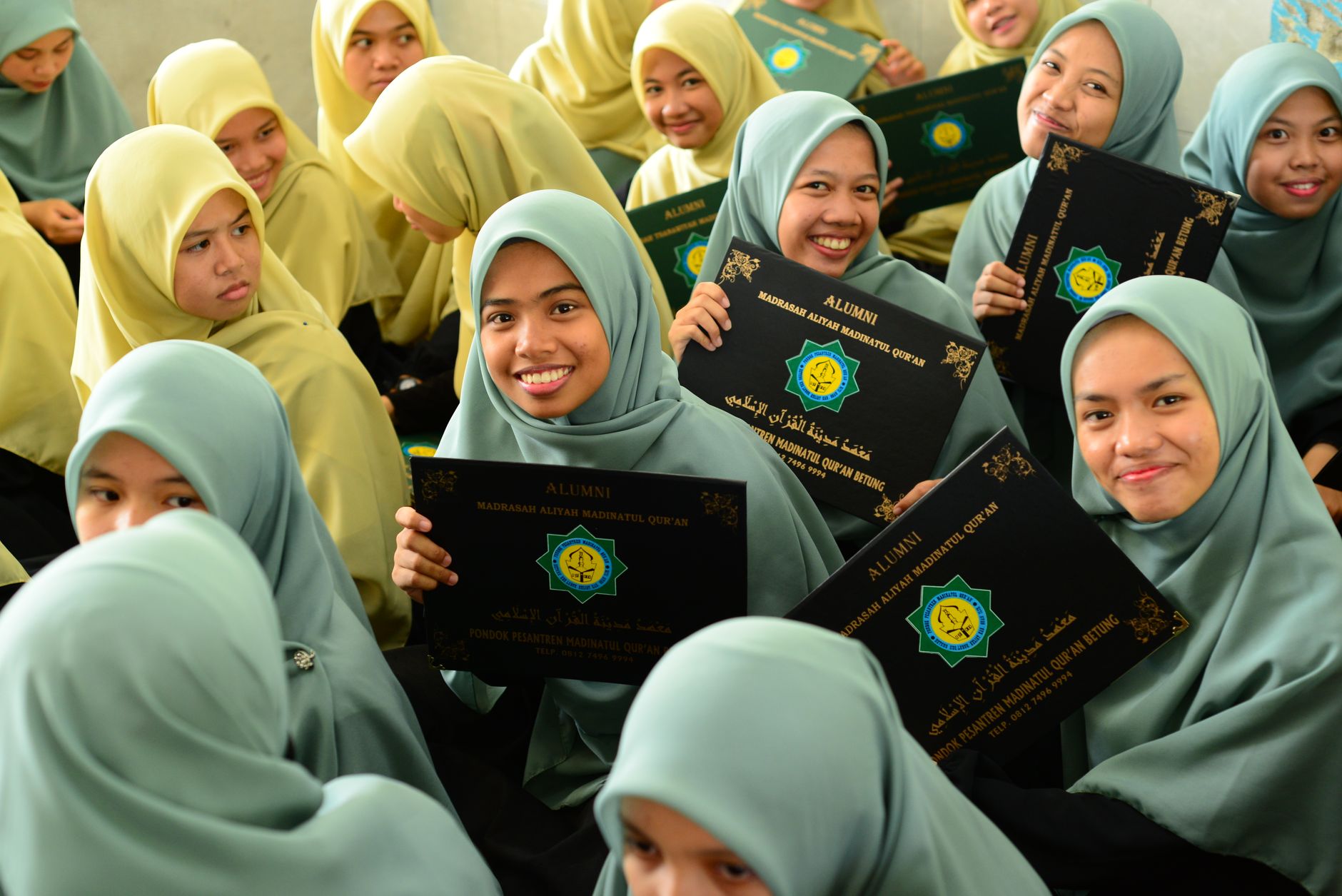
In the bustling corridors of India's universities, a quiet revolution is underway. The latest All India Survey on Higher Education (AISHE) report paints a broadly optimistic picture of the sector, with increasing enrolment figures and a commendable stride towards gender parity. However, beneath this sheen of progress, the sector grapples with enduring challenges.
India's higher education system, traditionally robust, is in a state of transformation. Enrolment has soared, not just in the humanities but significantly in STEM fields—science, technology, engineering, and mathematics. This shift is crucial as the country aims to bolster its technological prowess on the global stage.
Government initiatives have sought to bridge the gap between access and quality. Yet, as the British Council India report indicates, the sector remains deeply politicised. Political influences often dictate educational policies, making reforms a complex endeavour.
Prime Minister Narendra Modi's recent engagements highlight opportunities for international collaboration. The value of UK-India educational research partnerships has escalated dramatically, underscoring the potential for cross-border academic enrichment.
Nevertheless, the path forward is fraught with challenges. Quality enhancement remains a pressing issue, as does the need to modernise curriculums to keep pace with global standards. While the expansion of institutional coverage is promising, ensuring that education imparted is of high quality is imperative.
As India stands on the cusp of becoming an educational powerhouse, the task is to sustain this growth while addressing the quality deficit. The future of India's higher education hinges on its ability to navigate these challenges deftly, ensuring that progress is inclusive and sustainable.