India's Low Rank on Yale's Environment Index Sparks Debate

India’s dismal performance on Yale University’s latest Environmental Performance Index (EPI) has set alarm bells ringing among environmentalists and policymakers alike. Ranking second lowest globally, India finds itself in a precarious position, criticised for its environmental policies and practices. Experts have labelled the revelation as a 'wake-up call', urging immediate and decisive action.
The EPI, which evaluates countries on various environmental health and ecosystem vitality metrics, has consistently placed India among the poor performers over the last decade. This year, the nation’s standing has prompted introspection and debate, not just about its environmental priorities but also about the methodology behind these rankings.
Methodology Under Scrutiny
One of the central points of contention is the perceived bias in the index's methodology. Critics argue that the EPI heavily favours wealthier nations, given the strong correlation between a country’s GDP per capita and its EPI score. The index creators, however, maintain that the metrics are designed to provide a comprehensive overview, irrespective of economic status.
Environmental scientist Dr. Rohan Mehra states, “While it’s undeniable that India must do more to address environmental issues, we must also scrutinise how these rankings are constructed. They shouldn’t serve merely as a tool to shame developing nations.”
India's Environmental Challenges
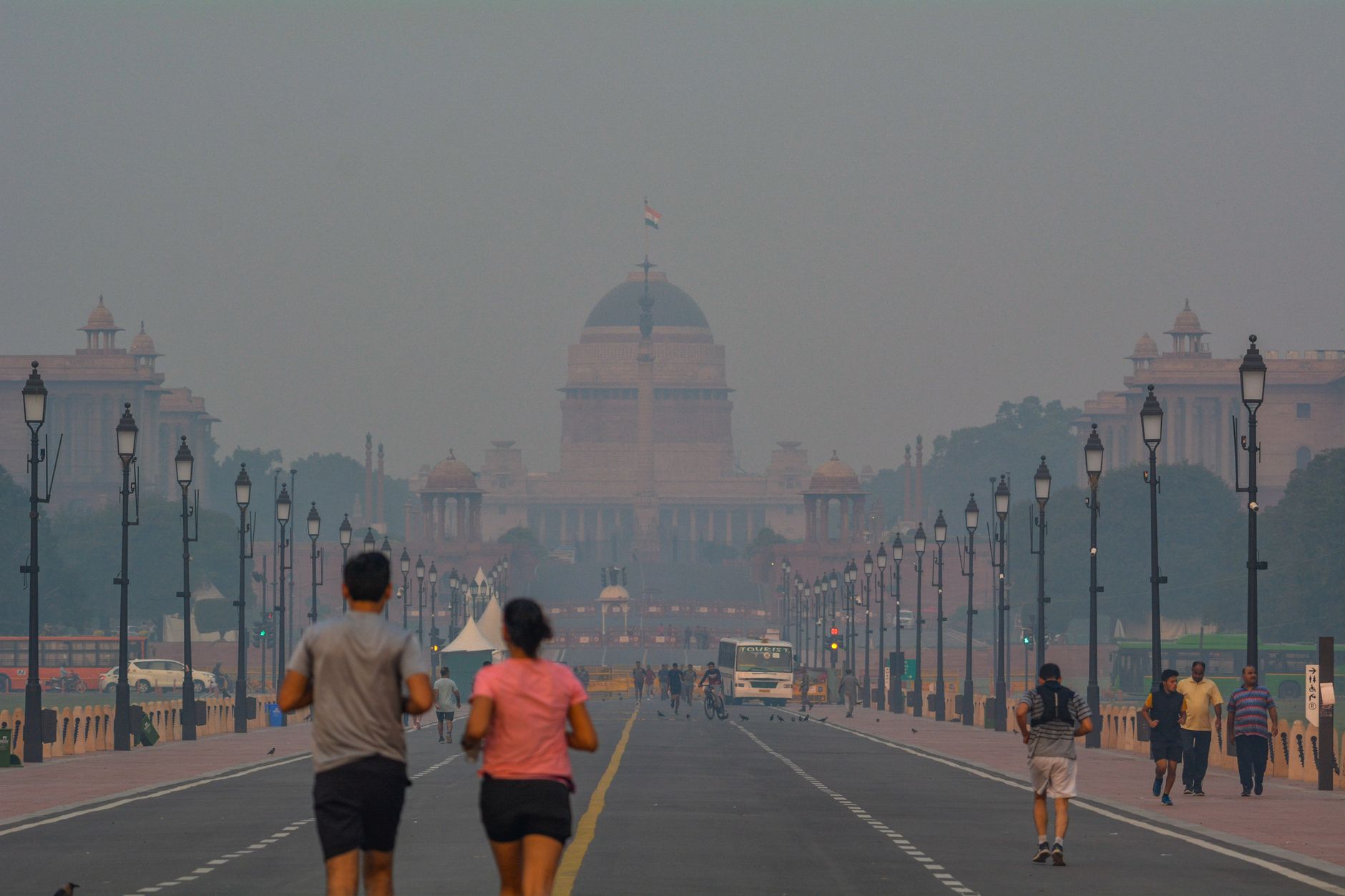
India faces a multitude of environmental challenges, from air and water pollution to biodiversity loss and inadequate waste management infrastructure. These issues are further compounded by rapid urbanisation and industrialisation. The government, while acknowledging these challenges, often cites developmental needs as a balancing act in its environmental policy decisions.
Nevertheless, the timing of this report is critical. With the world increasingly focusing on sustainable development, India's lagging performance could impact its international standing and economic partnerships. The call for action is clear: bolster policy frameworks, invest in sustainable technologies, and prioritise environmental education.
The debate over the EPI’s methodology, however, must not overshadow the urgent need for India to address its environmental shortcomings. As the nation grapples with these challenges, the broader question remains: how can developing countries achieve sustainable growth without compromising on their developmental aspirations?