India's Medical Education Dilemma: Access vs. Affordability
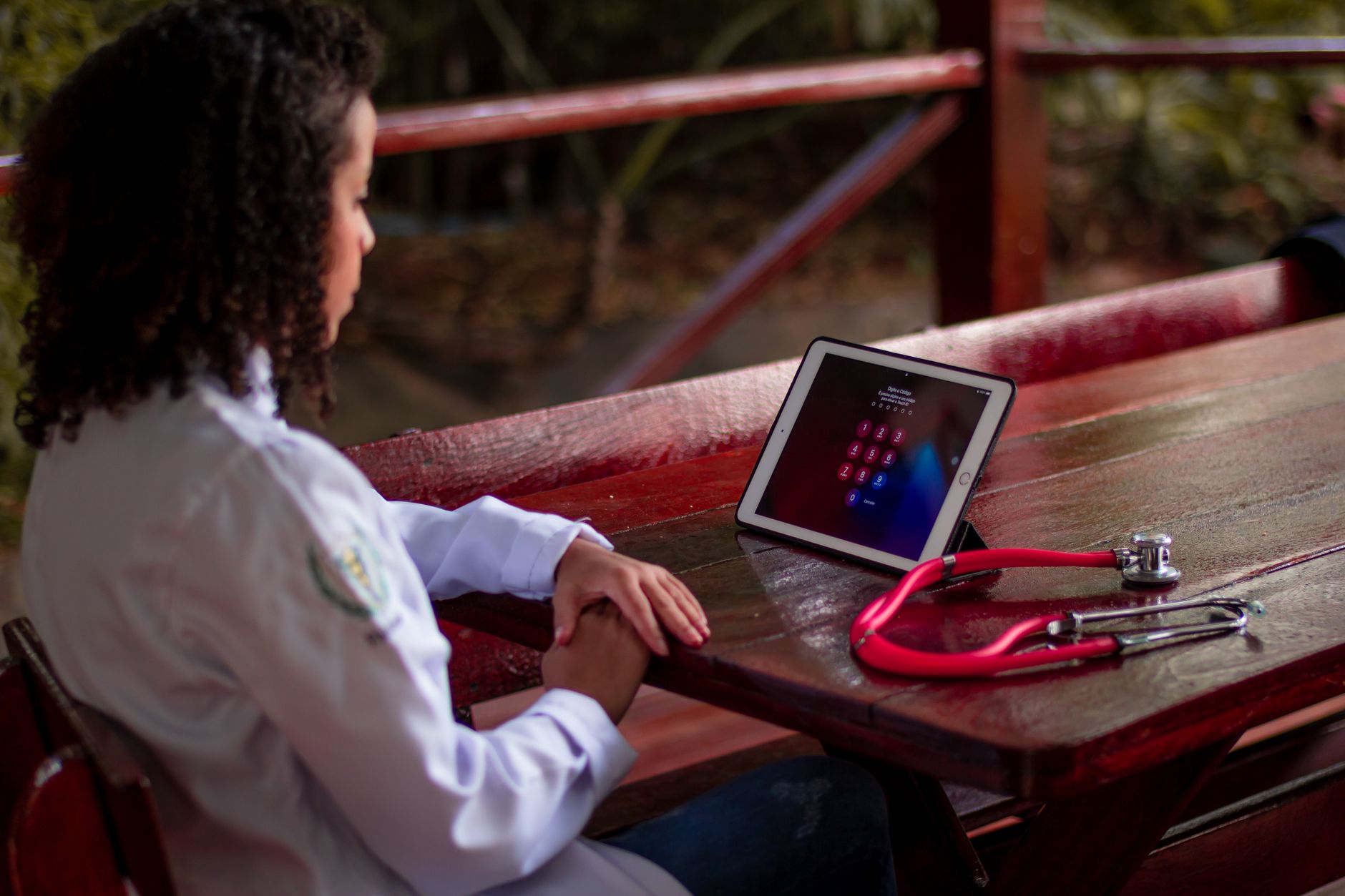
In the sprawling landscape of India's medical education, a curious paradox has emerged. The nation, aiming to fortify its healthcare system, has nearly tripled its medical seats over the past decade. Yet, this laudable expansion is not without its thorns. The surge, driven largely by private institutions, has thrown into sharp relief a tension between accessibility and affordability.
At first glance, the numbers seem promising. More seats suggest more doctors, a boon for a country where the doctor-to-patient ratio remains a persistent concern. However, the devil, as they say, is in the details. The bulk of this increase is courtesy of private medical colleges, where the costs can be prohibitively high.
The Private Sector's Role
Private institutions have been the mainstay of this growth, but their fees often put medical education out of reach for many aspirants. These colleges, while increasing the number of seats, charge substantial fees, sometimes demanding hefty capitation fees upfront. Such financial barriers can saddle students with debt, influencing their career choices post-graduation, often pushing them towards lucrative specialisations rather than essential general practice roles.
Moreover, the quality of education in some of these private colleges has been questioned, with allegations of inadequate infrastructure and faculty shortages. This raises a critical issue: is the mere proliferation of seats enough, or should emphasis also be on quality and equitable access?
Government Initiatives and Challenges
The Indian government has acknowledged these challenges, striving to introduce reforms aimed at balancing this equation. Initiatives to establish more government medical colleges are underway, but such efforts require time, resources, and strategic planning.
Meanwhile, the National Medical Commission (NMC) has been tasked with ensuring standards and ethics in medical education. However, the path to reform is fraught with challenges, not least of which is the entrenched interest of private players who stand to lose in a more regulated environment.
In conclusion, while the expansion of medical education in India represents a step forward, navigating the chasm between access and affordability remains a daunting challenge. For aspiring doctors, the journey from hopeful student to healthcare provider is as much about overcoming systemic barriers as it is about personal dedication.