India's PG Accommodations Under Scrutiny Amid Call for Reform
The harrowing collapse of a five-storey paying guest (PG) accommodation in South Delhi's Satya Niketan has sparked renewed urgency for regulatory reform in the sector. The incident, which left six dead and dozens trapped, underscores the perilous state of unregulated student housing in India. As rescue operations continue, the spotlight turns to the systemic issues plaguing this burgeoning industry.
In an effort to address these challenges, there are growing calls for the establishment of a dedicated board to oversee PG accommodations. Advocates argue that such a body would ensure compliance with safety standards and enforce rent caps, thereby protecting tenants from exploitation. Moreover, a controversial proposal to bar politicians from engaging in the PG business seeks to eliminate conflicts of interest and increase accountability.
Political Interference and Safety Concerns
The intertwining of politics and business is not a novel phenomenon in India, but critics contend that in the context of PG accommodations, it could prove particularly detrimental. Politicians with vested interests may exert undue influence on regulatory bodies, potentially compromising the safety and welfare of residents. By removing political involvement, proponents believe a more transparent and effective regulatory framework can be achieved.
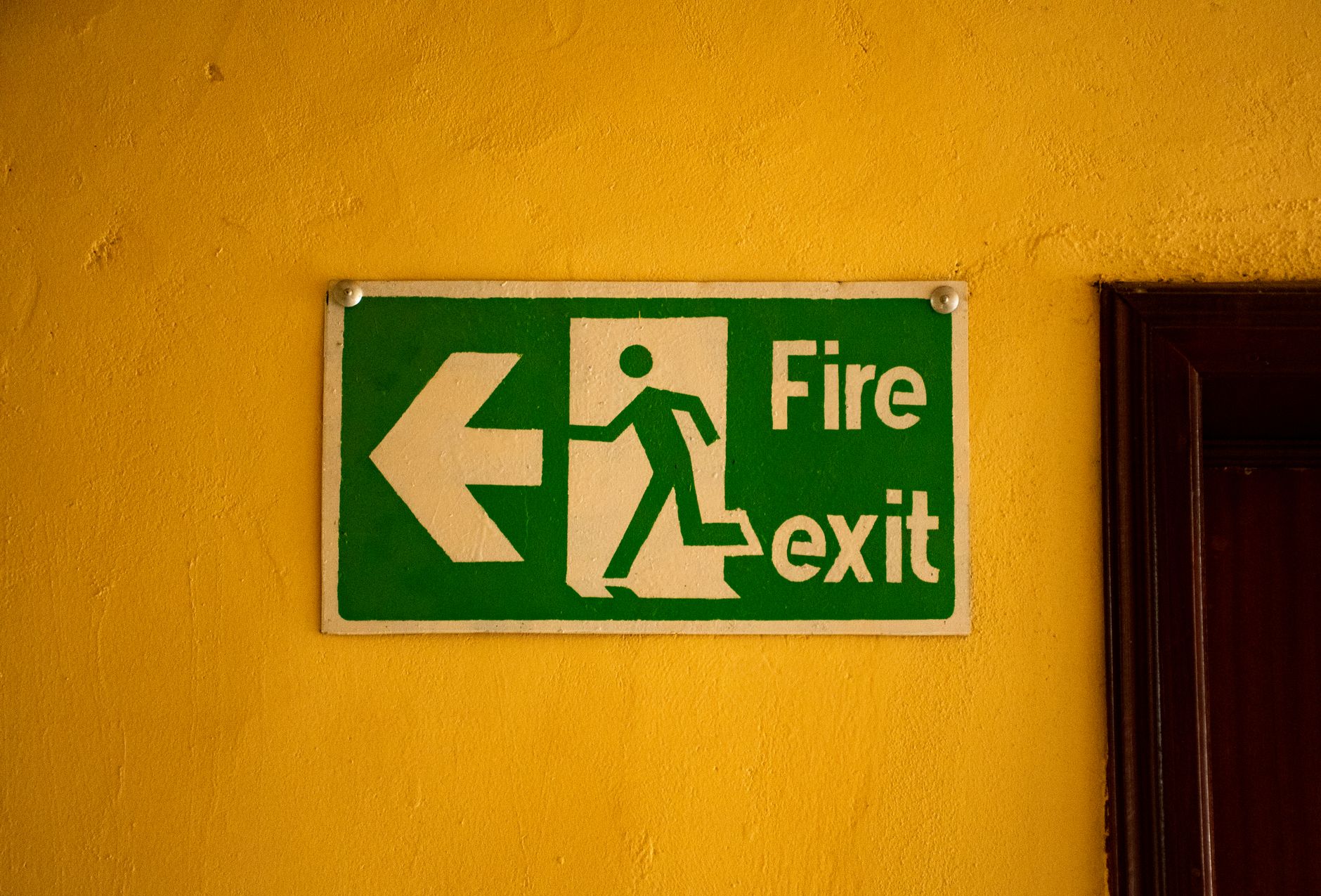
Safety concerns are paramount, especially following the revelation that a demolition notice had been issued for a neighbouring building just as the Satya Niketan tragedy unfolded. This has raised questions about the efficacy of municipal oversight and the enforcement of construction standards. The proposed board would be tasked with ensuring that all PG accommodations meet stringent safety criteria before being allowed to operate.
Implications for Students and Landlords
For students, who often rely on affordable PG accommodations while pursuing their studies, these reforms could provide much-needed security and stability. However, the implications for landlords are less clear. While some may welcome the opportunity to operate within a more regulated market, others might resist changes that could impact their profitability.
The debate over PG accommodations is emblematic of broader challenges facing India's urban infrastructure. As cities continue to expand rapidly, the need for safe, affordable housing options becomes ever more pressing. The tragedy in Satya Niketan serves as a stark reminder of the potential consequences of inaction.
Ultimately, the push for reform reflects a growing recognition that the status quo is untenable. Whether through the establishment of a new governing board or other measures, it is clear that significant changes are needed to safeguard the lives of those who call these accommodations home.