India's Political Battlefield: Criminal Cases as Weapons
In the intricate web of Indian politics, criminal cases have become potent instruments of power play. As the ruling party continues to lodge cases against opposition leaders, the judiciary has expressed concern over what it calls a 'disturbing feature'. This tactic, where legal proceedings stretch interminably, effectively serves as a punishment without a formal conviction.
According to recent observations, over 90% of cases pursued by the Enforcement Directorate (ED) target leaders from rival parties. These investigations, often coinciding with elections or internal party crises, raise eyebrows about their timing and intent. The court's remarks underscore a worrying trend where judicial processes appear entangled with political strategy.
Political Weaponry or Justice?
The Union home ministry’s alleged surveillance of cases against opposition figures further compounds concerns. Not merely content with initiating investigations, the ministry reportedly maintains a monitoring system. Critics argue this reflects a broader strategy to silence dissent and consolidate power.
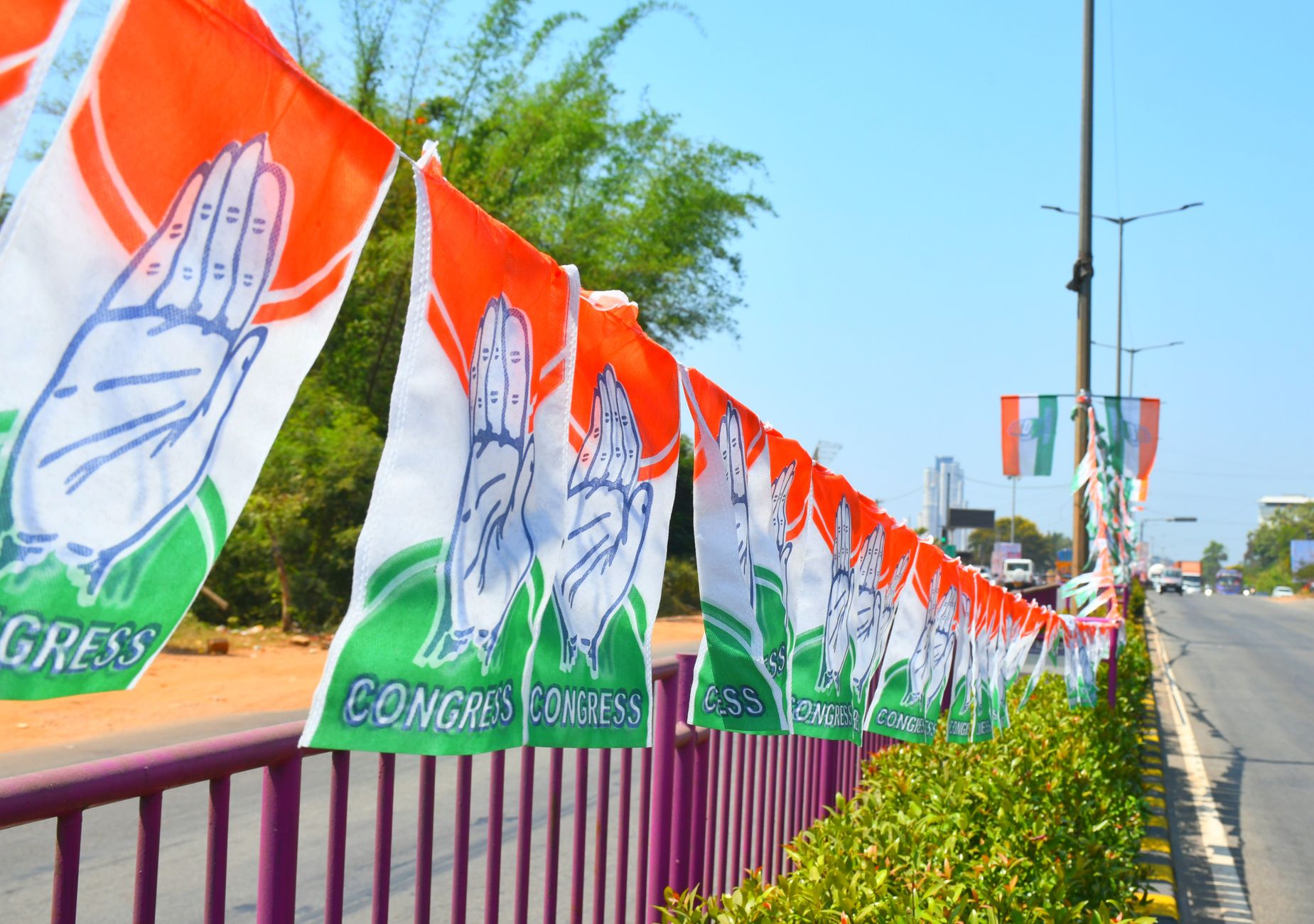
Opposition parties, led by the Congress, have voiced their dismay, accusing the Bharatiya Janata Party (BJP) of wielding the ED as a political tool. The raids at the residences of prominent opposition figures, such as Rajasthan Congress president Govind Singh Dotasra, are cited as evidence of this political manoeuvring.
A Looming Shadow Over Democracy
This practice poses serious questions about the health of India’s democratic fabric. An impartial judiciary and the rule of law are cornerstones of democracy, yet the politicisation of these institutions risks eroding public trust. The ongoing saga reflects a deeper malaise affecting the nation’s political discourse.
As the political temperature rises, the deployment of criminal cases as a method of political suppression could further polarise an already divided landscape. The implications for governance and civil liberties are profound, demanding a robust response from both the public and the judiciary to safeguard the principles of justice and democracy.