India's Recycling Revolution: Quality, Tech, and Traceability
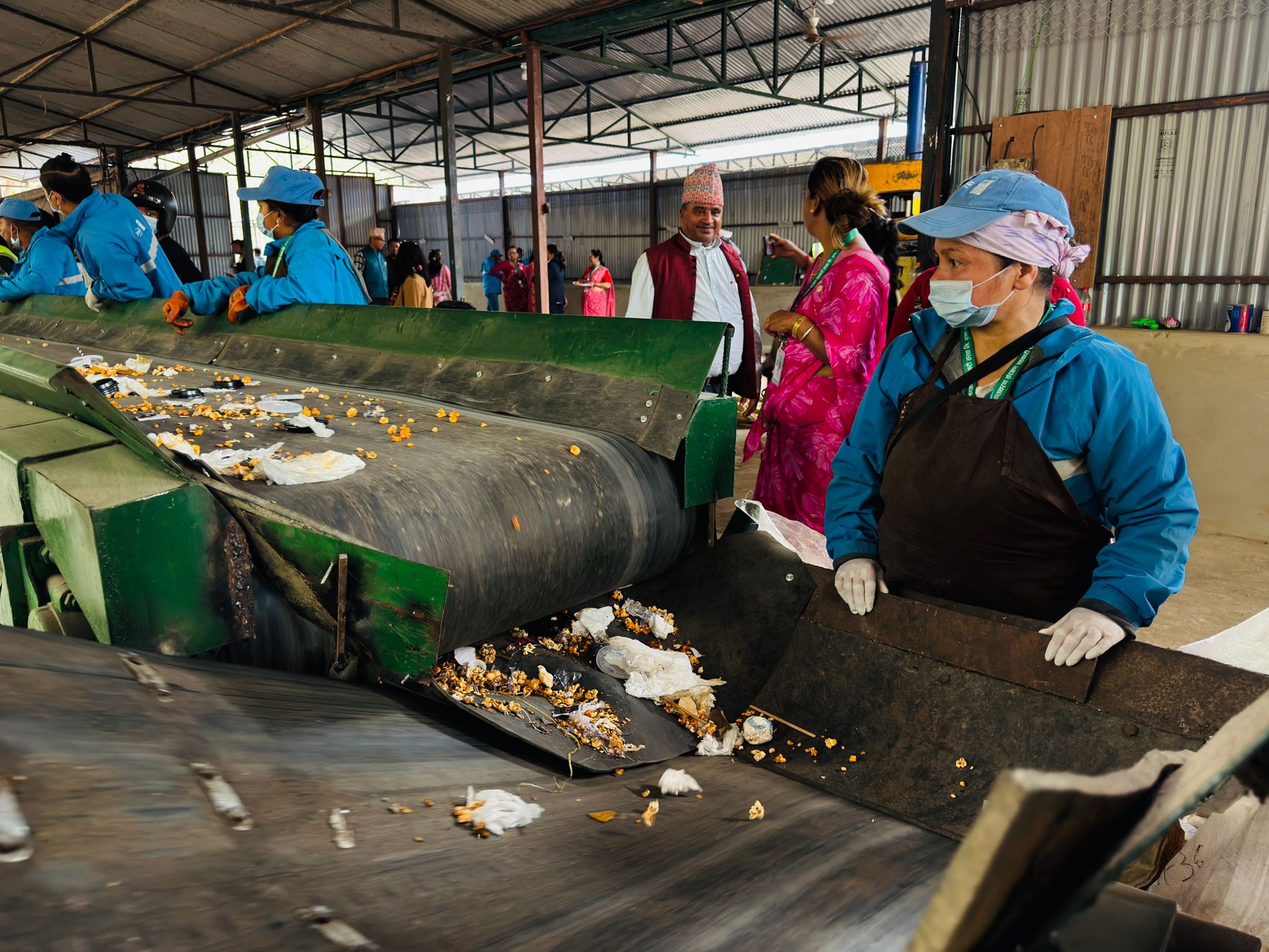
In a country where recycling has long been characterised by informal operations and rudimentary processes, India is now poised for a paradigm shift. The focus is steadily moving from merely increasing volumes to enhancing the quality and traceability of recycled materials. Industry experts assert that this is the future of recycling in India — a future that hinges on the triad of quality, traceability, and cutting-edge technology.
RV Sridhar, a Senior Advisor at McKinsey & Company, remarks that the burgeoning role of secondary metals is already evident, with scrap satisfying nearly 38% of India's metal demand. He believes that the next phase will see a more sophisticated approach, leveraging technology to ensure materials are not just recycled, but recycled well. "The emphasis on quality and traceability is crucial," Sridhar notes, "as it fosters consumer trust and aligns with international compliance standards."
Driving this transformation is the Extended Producer Responsibility (EPR) mandate, which compels industries to incorporate a certain percentage of recycled content in their products. This regulation is not just a bureaucratic hurdle; it's a catalyst for innovation. Companies like Srichakra have embraced this, launching advanced recycling processes that meet global standards. Their bottle-to-bottle recycling technology, approved by both EFSA and the US FDA, is a testament to the potential of compliance-driven innovation.
Adding to this narrative of change is Sujan Parthasaradhi, Chief Innovation Officer at Recykal. He highlights how technology-led traceability and AI-driven material intelligence are at the forefront of this evolution. Such advancements do not merely optimise processes; they redefine them, creating a circular economy that is robust and resilient.
The road ahead, however, is not without its challenges. Significant investment in processing infrastructure, reverse logistics networks, and advanced material recovery systems is essential. Moreover, industries must embrace concepts like 'design for recycling', ensuring that products are engineered from inception to be part of the recycling loop.
India's recycling sector stands at a crossroads, with the opportunity to redefine itself. As quality, traceability, and technology take centre stage, the nation could well become a global leader in sustainable recycling practices.