India's Rice Fields: Rising Methane Hotspots Amid Climate Concerns
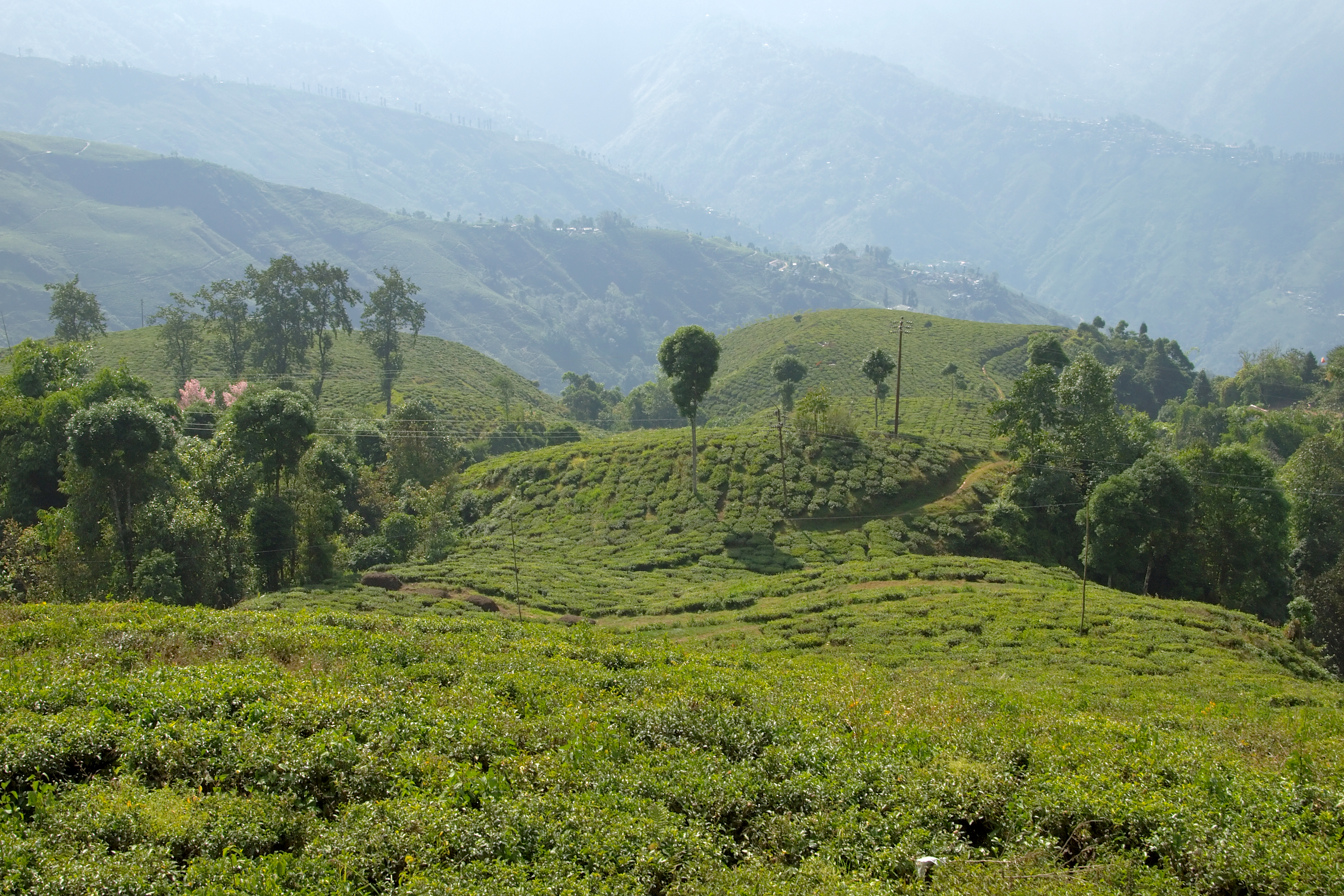
In the sun-drenched fields of India, where rice paddies stretch out like a verdant patchwork, a quieter, less visible crisis is unfolding. These fields have now been identified as some of the world's most significant methane hotspots, placing India in the spotlight of global environmental discussions.
As the third-largest emitter of methane after China and the United States, India is responsible for approximately 31 million tonnes of methane annually. This accounts for nearly 9% of the global emissions, a staggering figure that underscores the urgent need for action. Yet, the country's recent statement at the COP30 climate conference notably sidestepped the issue of methane emissions, a decision that has raised eyebrows among environmentalists and policymakers alike.
Agricultural Challenge
Agriculture remains the primary culprit in India's methane emissions, with rice cultivation and livestock farming leading the charge. The Indian Council on Energy, Environment and Water (CEEW) emphasises that while agriculture is the hardest sector to abate, it is also the most critical in terms of addressing methane output. Abhishek Jain, a researcher at CEEW, points out that the complexity of agricultural practices and their deep entrenchment in rural economies make them particularly challenging to reform.
The situation is further complicated by projections suggesting an 8% rise in methane emissions from rice cultivation by 2030. This forecast poses a significant challenge as India strives to balance its agricultural output with its environmental commitments.
Global Implications
With the world increasingly focused on limiting global temperature rises and achieving net-zero emissions, addressing methane output is crucial. Methane is a potent greenhouse gas, and its reduction could have an immediate impact on slowing climate change. However, India's omission of methane in its climate commitments at COP30 suggests a hesitance to tackle this issue head-on, possibly due to economic and political considerations.
The absence of a clear plan to curb methane emissions could hinder global efforts to mitigate climate change. As one of the top five methane emitters globally, India's actions or inactions will undoubtedly influence the broader international community's climate strategies.
Ultimately, the challenge lies in devising strategies that can reduce methane emissions without adversely affecting the livelihoods of millions dependent on agriculture. This delicate balancing act will require innovation, investment, and international cooperation to ensure that India's rice fields do not remain a persistent part of the problem but become a part of the solution.