India's Sustainable Development: Balancing Growth with Conservation
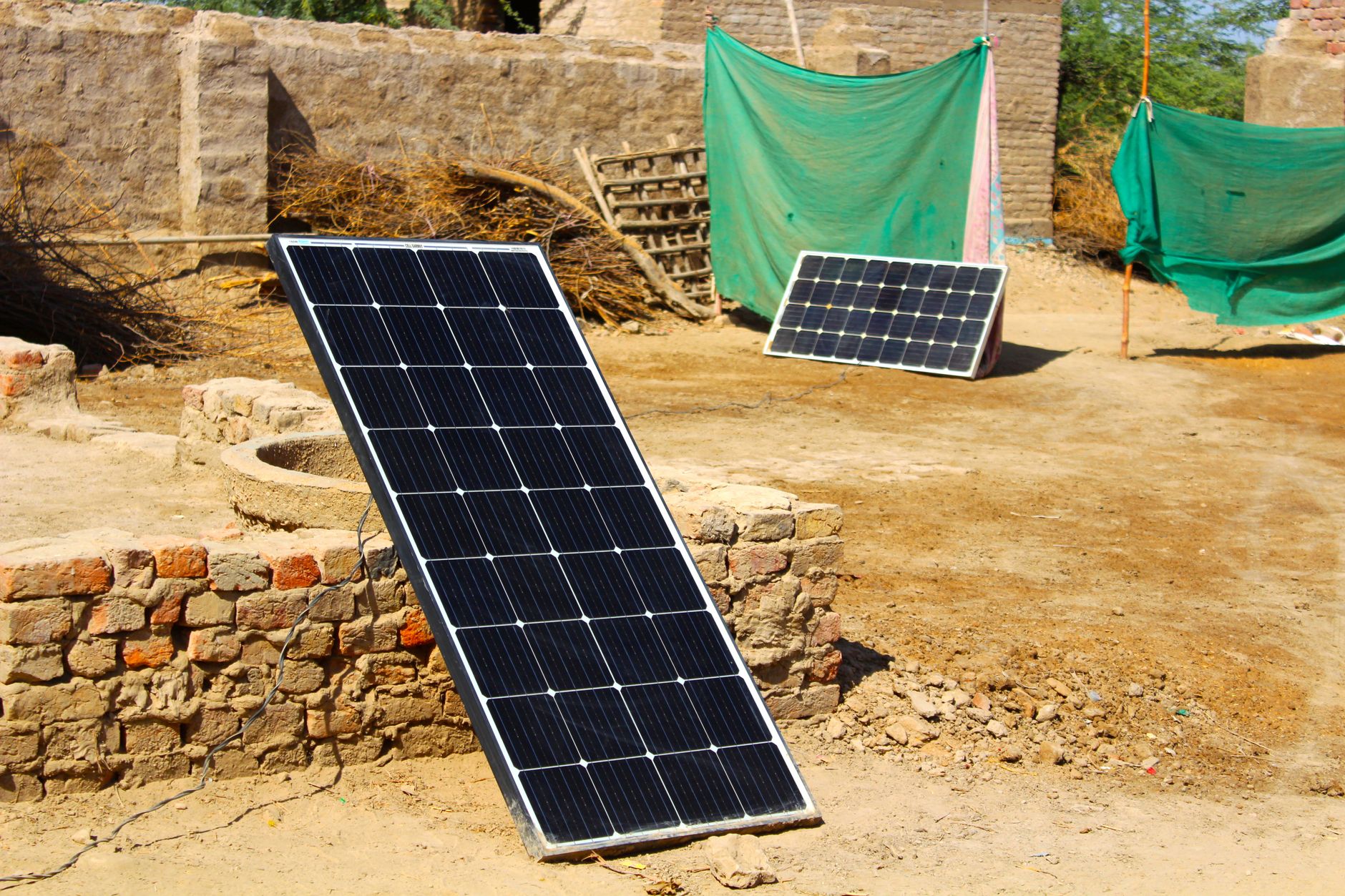
In the heart of New Delhi, beneath the towering edifices of its bustling economy, a different kind of revolution is quietly taking place. It is a revolution not marked by clashing swords or political upheaval but by the gentle hum of solar panels and the whisper of wind turbines. This is the revolution of sustainable development, a concept that's gaining traction as India navigates the tricky waters of economic expansion and ecological conservation.
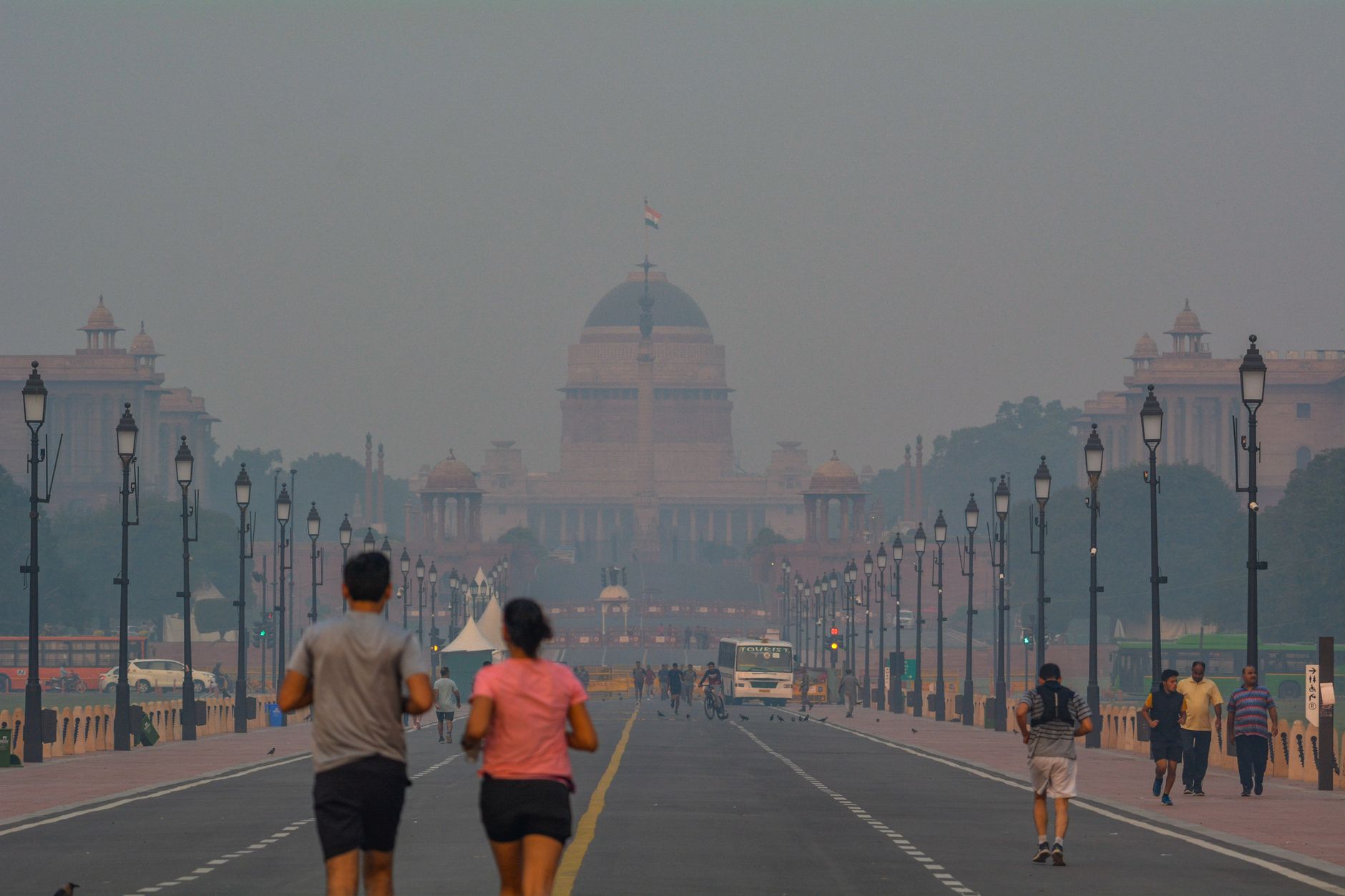
The journey towards sustainable development in India is paved with both opportunities and challenges. On one hand, the country's robust economic growth presents a wealth of opportunities for its vast population. On the other, this growth often comes at a significant environmental cost, leading to issues like air pollution, water scarcity, and biodiversity loss.
However, the Indian government has shown a remarkable commitment to addressing these concerns. Initiatives such as the National Solar Mission and the push for green hydrogen are testament to this. By setting ambitious targets for renewable energy production, India is not only aiming to reduce its carbon footprint but also to enhance energy access across its rural hinterlands.
Balancing Act
The delicate balancing act between development and sustainability is further complicated by India's unique socio-economic landscape. A significant portion of the population still relies on agriculture, making environmental degradation a direct threat to livelihoods. Furthermore, rapid urbanisation puts additional pressure on already stretched resources.
In response, India has been enacting and enforcing stricter environmental regulations. The recent amendments to the Environment Protection Act, aimed at curbing industrial pollution, reflect a growing awareness of these issues. Yet, implementation remains a challenge, often hindered by bureaucratic inertia and vested interests.
Global Responsibility
India's role in the global environmental arena cannot be understated. As one of the largest emitters of greenhouse gases, its actions have significant implications for global climate targets. By investing in sustainable development, India not only secures a better future for its citizens but also contributes to the global effort against climate change.
This dual focus on growth and conservation is, perhaps, best encapsulated in Prime Minister Narendra Modi's vision of ‘Atmanirbhar Bharat’ — a self-reliant India that thrives in harmony with nature. As the world watches, India’s strides in sustainable development may well serve as a blueprint for other developing nations navigating similar challenges.