India's Telemedicine Triumph: The Need for Transparency in Patient Outcomes
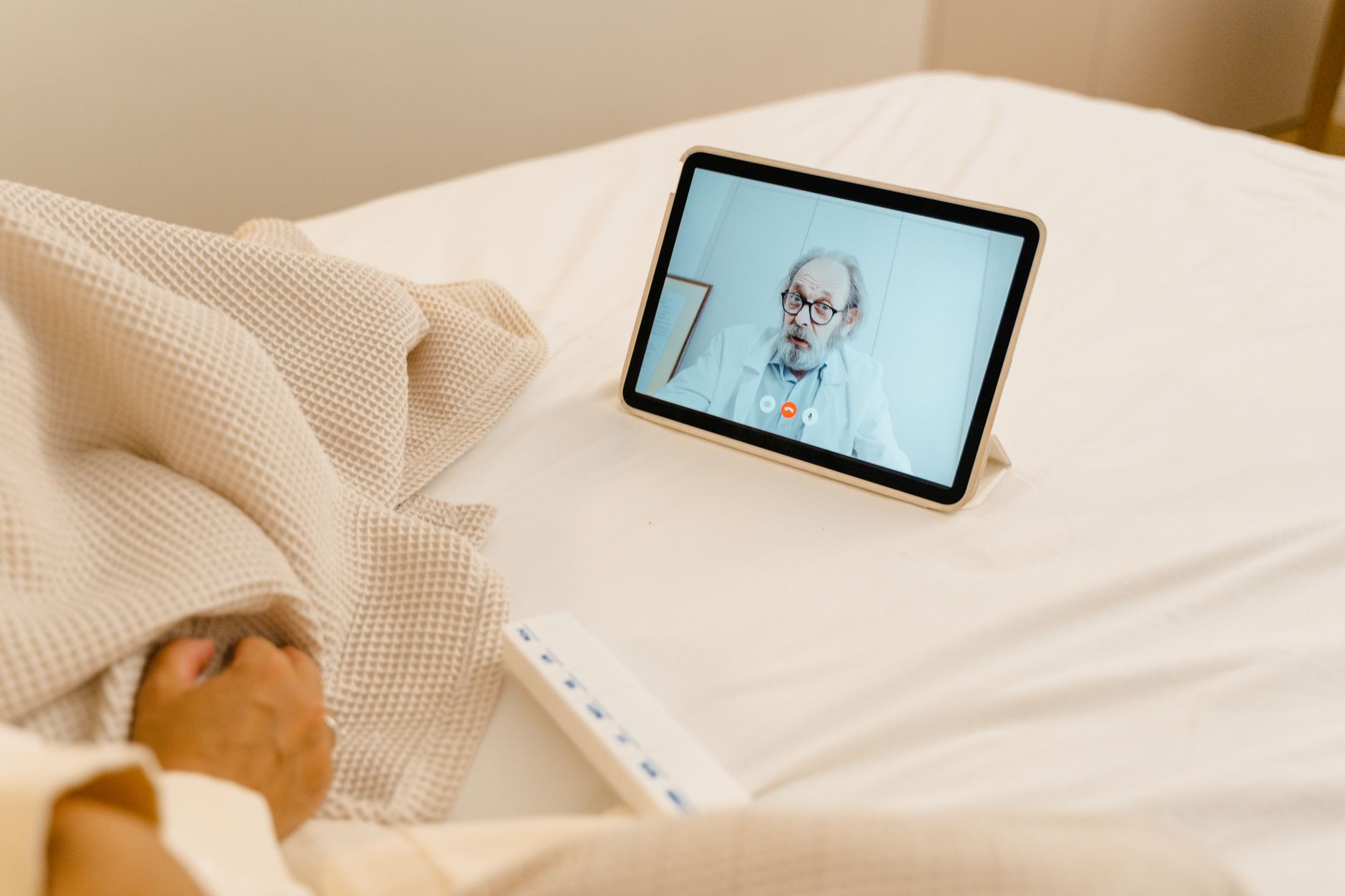
In a nation as populous and diverse as India, the promise of telemedicine offers more than just convenience; it represents a crucial lifeline for those in remote and underserved areas. The government’s e-Sanjeevani initiative has recorded an impressive 47 crore teleconsultations, a figure that underscores a remarkable leap in digital healthcare engagement since its inception in 2019. Yet, amidst the celebration, an essential question looms: how effective have these consultations been in genuinely improving patient outcomes?
Union Defence Minister Rajnath Singh recently extolled the virtues of e-Sanjeevani, highlighting its role in transforming healthcare access across the nation. Indeed, the platform has democratised healthcare, transcending geographical barriers. However, while statistics paint a rosy picture of widespread utilisation, they leave much to be desired in terms of qualitative data.
From Numbers to Narratives
The sheer volume of consultations suggests a robust acceptance of telemedicine, yet the absence of comprehensive outcome data means the true impact remains largely anecdotal. Patients and healthcare professionals alike have seen benefits, such as reduced travel time and quicker access to specialists. However, it is imperative to move beyond numbers and delve into patient narratives to assess the quality of care delivered.
For instance, are patients adhering to prescribed treatments? Has there been a measurable improvement in chronic condition management? These are the questions that need answering to ensure the service's long-term credibility and efficacy.
Barriers to Comprehensive Evaluation
Several challenges impede the collection of outcome data. Privacy concerns, the digital divide, and varying levels of technological literacy among patients complicate efforts. Additionally, without a centralised system for tracking treatment efficacy and patient feedback, policymakers operate in a vacuum, making it difficult to refine the service.
As India continues to embrace digital health solutions, it must also prioritise comprehensive evaluations of these initiatives. Only then can the true value of telemedicine be realised, ensuring that the 47 crore consultations translate into tangible health improvements for millions.