India's University Demolition: A Clash of Heritage and Politics
In the heart of Uttar Pradesh, a storm brews over the fate of Mohammad Ali Jauhar University. Founded by the once-formidable Muslim politician Azam Khan, the institution now faces a demolition order, sparking widespread protests and a legal battle that could reshape the educational landscape for minority communities in India.
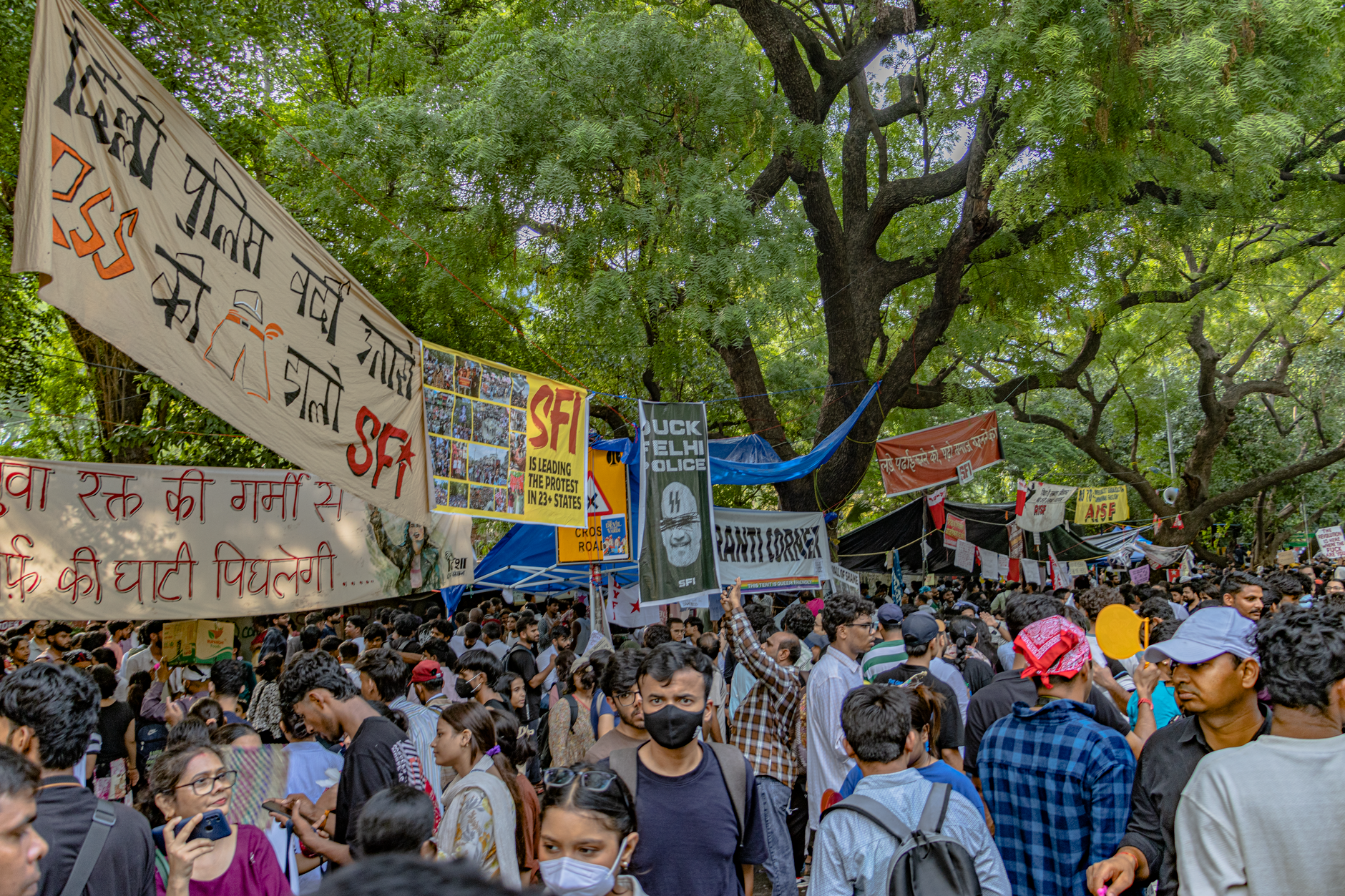
The university's students, resolute and impassioned, have taken to peaceful protests, echoing a sentiment of hope and determination. 'If others can achieve their goals through peaceful protest, why can’t we?' one student questioned, encapsulating the spirit of a movement that sees education as a fundamental right, not a privilege.
This institution, named after a renowned freedom fighter, is not just a collection of 38 buildings, but a beacon of educational empowerment for many in the Muslim community. As students rally to safeguard their future, the university has lodged a legal challenge against the demolition order, arguing that the decision jeopardises the futures of thousands.
The political dimension of this issue cannot be ignored. Azam Khan, once a towering figure in the Samajwadi Party, has seen his influence wane amid legal troubles. The demolition of an institution he founded may symbolise a broader shift in political power dynamics within the region.
Criticism has not been limited to the students alone. The All India Muslim Personal Law Board and the Welfare Party of India have both condemned the proposed demolition, urging the Uttar Pradesh government to reconsider. They argue that the move not only undermines educational opportunities for minorities but also sets a worrying precedent for other minority-run institutions.
As the legal proceedings unfold, the future of Mohammad Ali Jauhar University remains uncertain. What is clear, however, is that this battle is about more than just bricks and mortar; it is about the identity and rights of a community. The outcome will likely reverberate far beyond the campus, a testament to the complex tapestry of education, politics, and minority rights in India today.