India's Vikram-1: Launching a New Era in Space Exploration
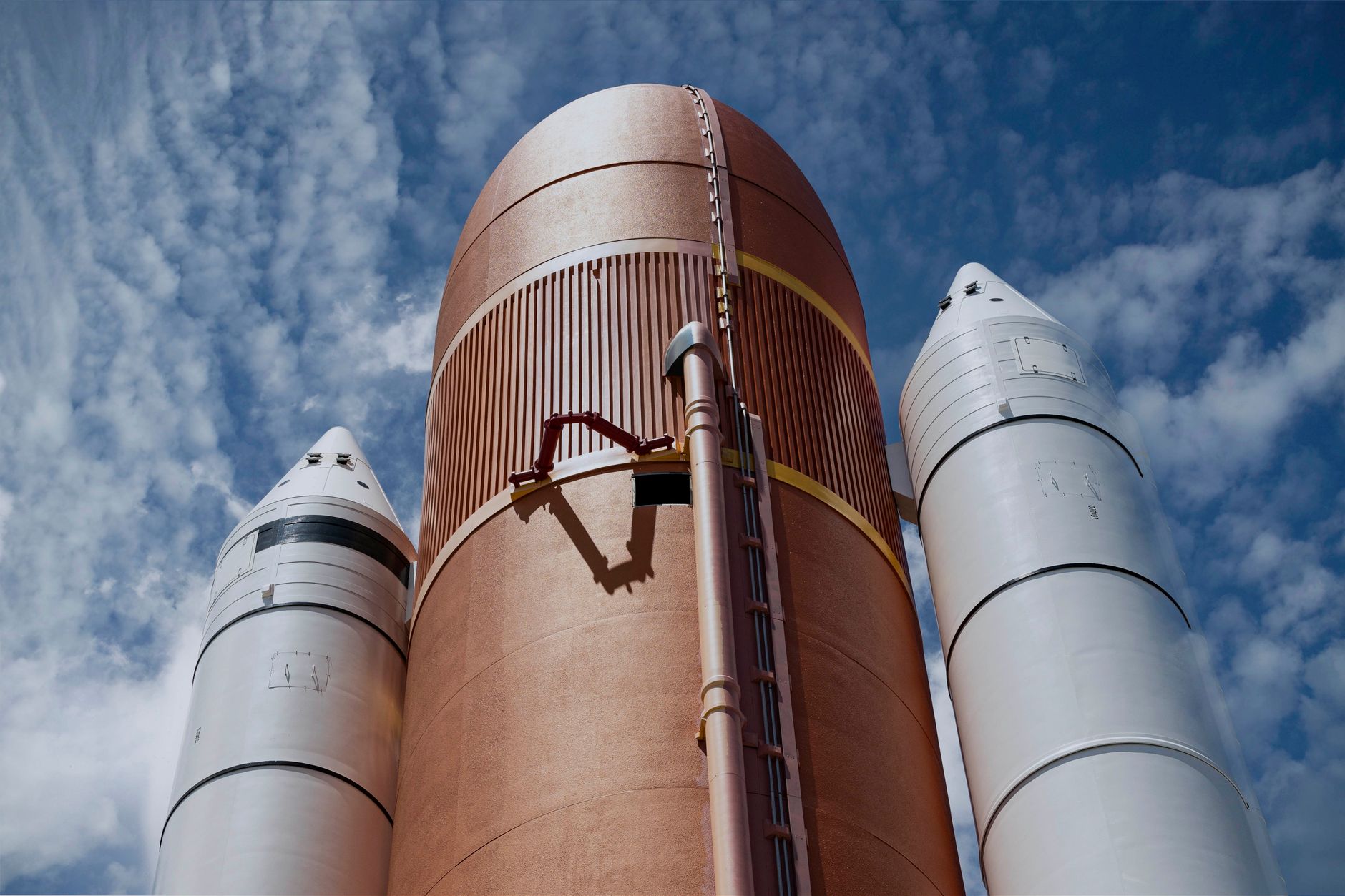
As dawn broke over the Satish Dhawan Space Centre, a new chapter in India's space odyssey was being scripted. The Vikram-1, a sleek and sophisticated creation of Skyroot Aerospace, roared to life, piercing the sky and India's technological horizons. This was not merely a launch; it was a declaration — a testament to India's burgeoning private space sector.
The Vikram-1 rocket, aptly named after the pioneering space scientist Vikram Sarabhai, is India's first privately developed orbital rocket. Its successful launch marks a historic milestone, showcasing the tangible impact of governmental reforms aimed at invigorating the nation's space industry.
Unlike the traditional state-led space missions, Vikram-1 symbolises a new era of private enterprise taking the helm. The mission successfully deployed multiple technology demonstration payloads into low Earth orbit, including postcards from Prime Minister Narendra Modi, signifying the government's support and optimism.
Revolution in the Making
The significance of Vikram-1's launch extends beyond technical triumphs. It embodies a shift towards a more accessible and dynamic space market in India. Skyroot Aerospace, a Hyderabad-based startup, has set a precedent, illustrating the potential of private companies to complement the Indian Space Research Organisation's (ISRO) formidable legacy.
India's space ambitions are no longer confined to the endeavours of ISRO. With the government's progressive reforms, a slew of private entities are now poised to offer cost-effective and innovative solutions. This is expected to lead to increased satellite deployment capabilities, fostering advancements in telecommunications, weather forecasting, and national defence.
Global Implications
Vikram-1 serves as a harbinger of India's readiness to compete on the global stage. With a burgeoning private sector, the nation is well-positioned to offer competitive satellite launch services worldwide. This burgeoning capability not only promises economic benefits but also enhances India's geopolitical influence.
The launch of Vikram-1 is more than a technical achievement; it represents a broader narrative of ambition, collaboration, and strategic foresight. As India charts its course towards becoming a global space power, the success of Vikram-1 exemplifies the fusion of public resolve and private innovation, propelling the nation into the cosmic future.