India's Yoga and Ayurveda Diplomacy Faces a Test of Credibility
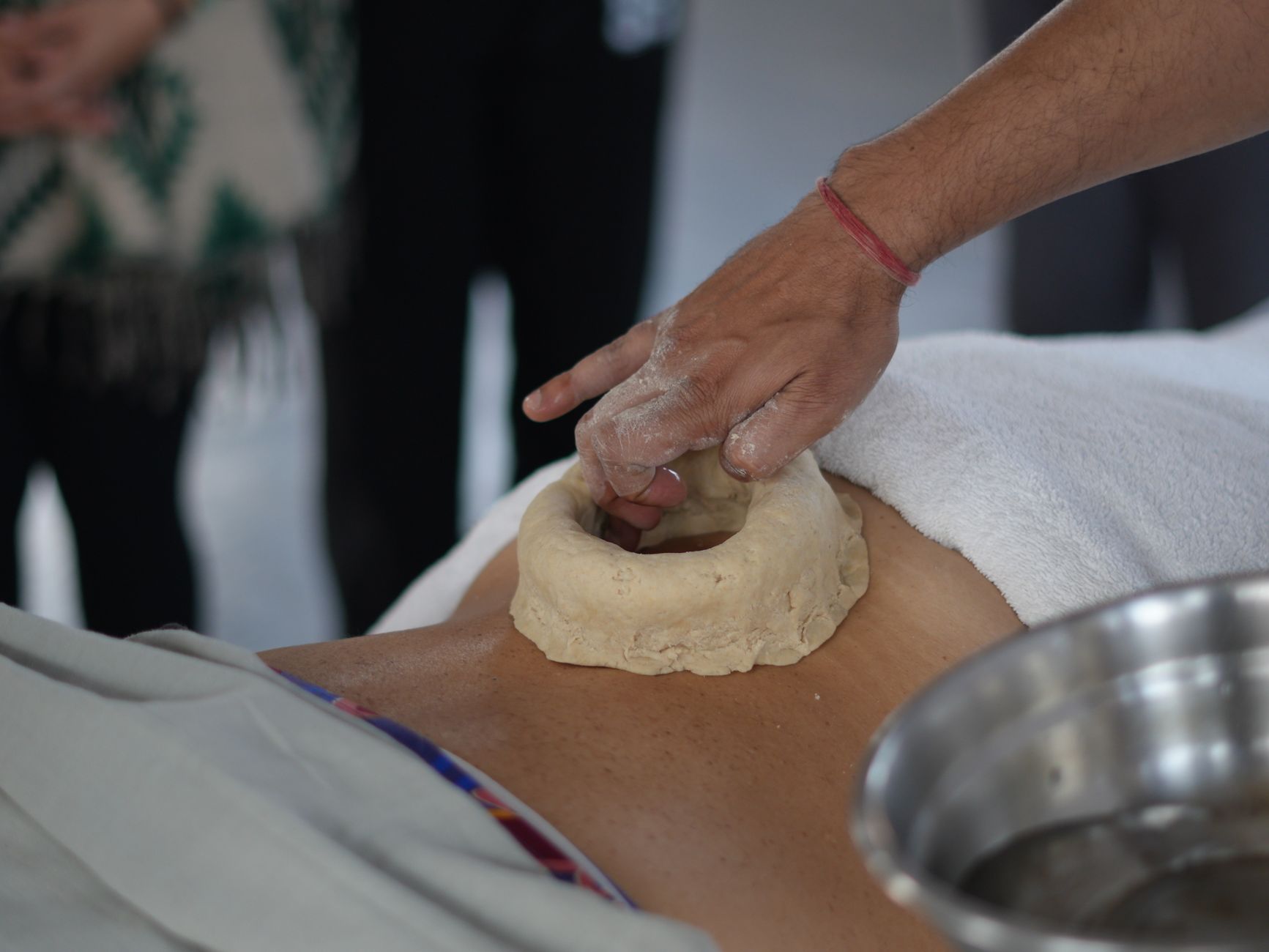
In the bustling corridors of international diplomacy, India has found an unlikely pair of allies: Yoga and Ayurveda. These ancient practices, deeply rooted in Indian culture, are now being wielded as potent tools in the country’s global health diplomacy. Yet, as India pushes for their inclusion in healthcare systems worldwide, the call for credible standards grows louder.
Recent agreements with countries such as Oman, New Zealand, and members of the European Union have seen India championing traditional medicine. This move is part of a broader strategy to enhance cultural diplomacy while simultaneously boosting economic influence. However, the integration of Ayurveda and Yoga into global markets is not without its challenges.
The Credibility Conundrum
For Ayurveda and Yoga to be taken seriously on the world stage, they must pass the stringent tests of evidence and regulation that modern healthcare demands. Experts argue that the AYUSH (Ayurveda, Yoga and Naturopathy, Unani, Siddha, and Homoeopathy) sector in India needs to develop robust regulatory frameworks. Such frameworks would ensure practitioner quality and patient safety, addressing concerns over the efficacy and safety of these traditional practices.
The global healthcare landscape is increasingly regulated, and without credible standards, Ayurveda and Yoga risk being sidelined as alternative rather than integrative medicine. The potential for growth is significant; however, the road ahead is fraught with the need for scientific validation and standardisation.
Building Trust Through Evidence
The demand for evidence-based practice is paramount. While Yoga has found acceptance through its physical and mental health benefits, Ayurveda faces greater scrutiny. To build trust, rigorous scientific studies must back claims of efficacy. India’s role, therefore, extends beyond mere advocacy; it must lead in research and development to substantiate the benefits of its traditional knowledge.
Despite these challenges, the institutional expansion of AYUSH and the rise of integrative medicine models present a promising avenue. With proper regulation, Ayurveda and Yoga can complement conventional medicine, contributing to preventive healthcare and holistic well-being.
As India marches forward with its health diplomacy, the stakes are high. Success hinges on the country’s ability to navigate the intricate dance of tradition and modernity, ensuring that its ancient wisdom stands up to contemporary scrutiny.