India's Youth: A Lost Generation to Domestic Duties
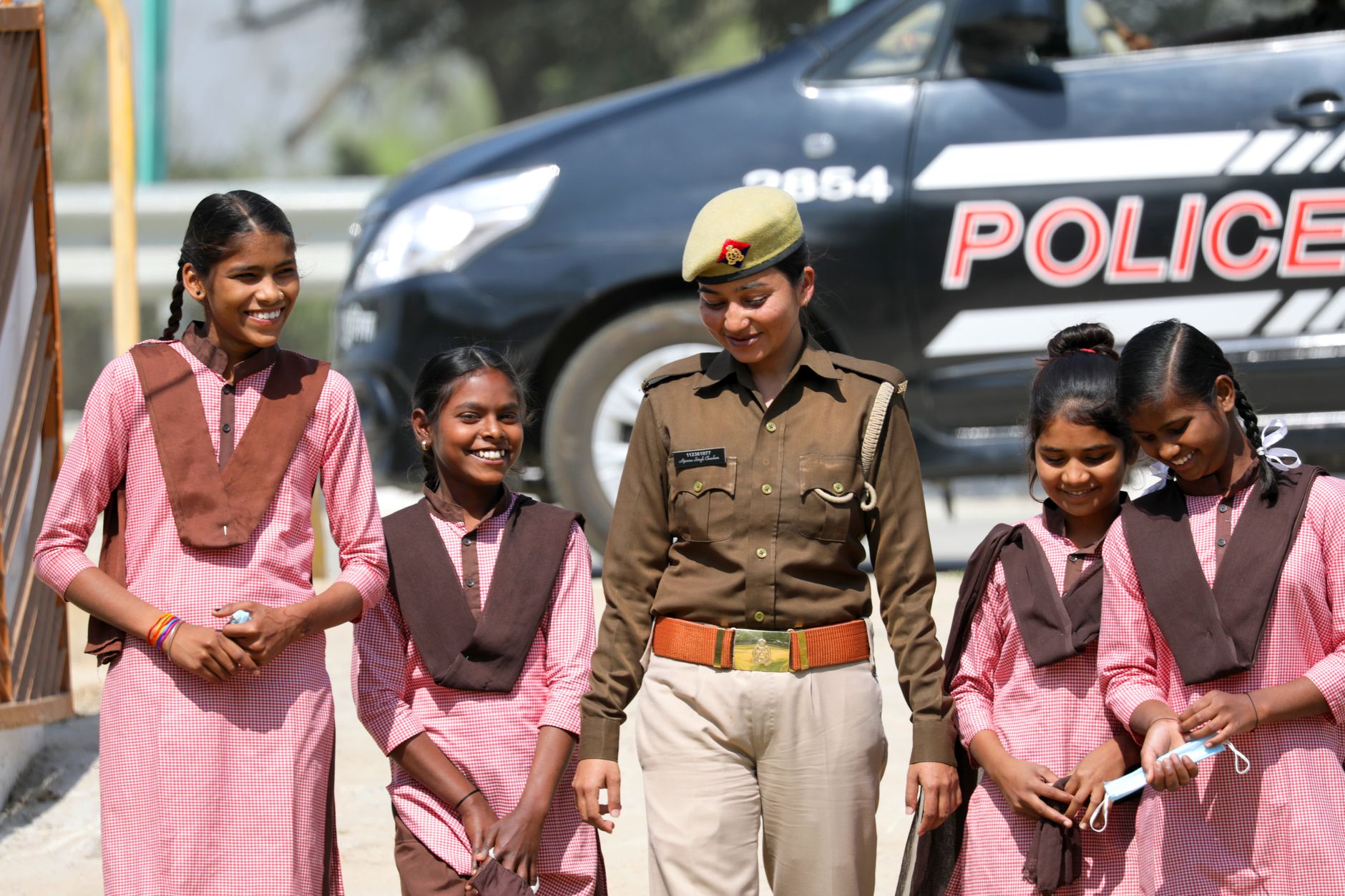
In the heart of India's bustling cities and remote villages alike, a silent crisis looms large. A staggering 8.7 crore Indian youths find themselves out of the traditional triad of employment, education, or training. Remarkably, 88% of these young individuals are engaged in domestic duties, often hidden away from the economic forefront of the nation.
The numbers are as alarming as they are revealing. In a country where the youthful population is often touted as its greatest asset, this phenomenon raises a red flag. The figure of 8.7 crore represents not just a missed opportunity for economic growth, but a societal challenge that touches upon deep-seated gender norms and roles.
Gender Dynamics at Play
It's no secret that traditional gender roles continue to shape the Indian household. Young women, in particular, bear the brunt of domestic responsibilities. This unpaid labour, while crucial for familial functioning, keeps them out of the formal workforce and educational opportunities. The societal expectation for women to prioritise family over personal career ambitions remains a formidable barrier.
The implications are manifold. Economists argue that India is missing out on a significant economic boost by not integrating this youthful demographic into the workforce. The potential GDP growth, if even a fraction of these youths were employed or engaged in skill development, could be transformative.
The Path Forward
Addressing this issue requires a multi-pronged approach. Policy interventions aimed at reducing the burden of domestic duties on women, such as affordable childcare and flexible work arrangements, could prove vital. Moreover, societal attitudes towards gender roles need a significant shift.
Educational reform is also crucial. Vocational training and skill development programmes that cater specifically to young women and those in rural areas could provide the necessary impetus for change. Empowering the youth, especially women, to step beyond traditional roles is not just a matter of economic necessity but of social justice.
In the grand tapestry of India’s development narrative, the youth should be a vibrant thread. Yet, as these figures suggest, millions remain on the periphery. It is high time for India to harness this potential, not just for economic gain but for a more equitable society.