India's Youth Rise Against Education Injustice
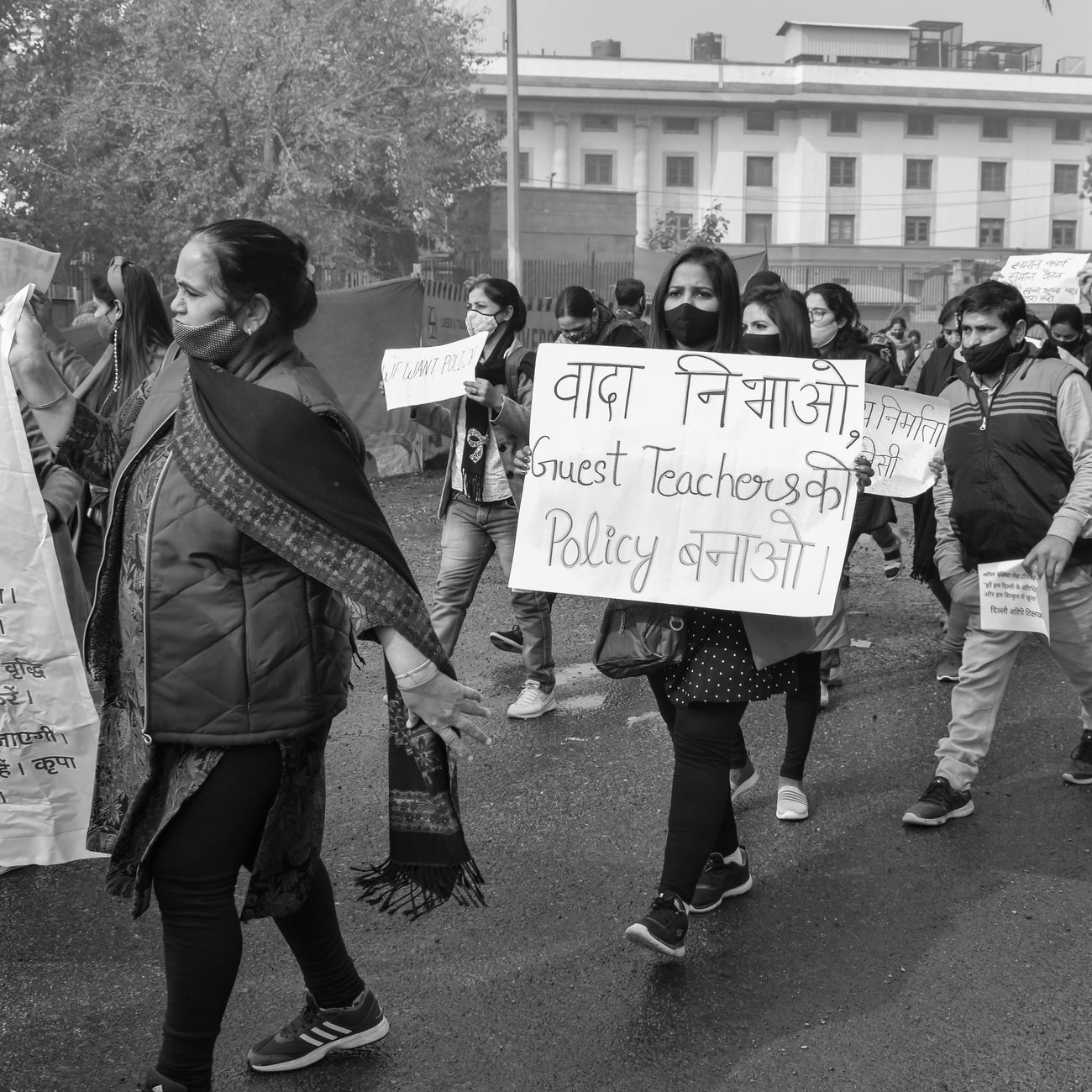
In the bustling heart of New Delhi, a sea of youthful energy pulsates through the streets, a testament to a generation no longer willing to accept the status quo. The 'Cockroach Movement', as it has been somewhat whimsically dubbed, sees thousands of students from across the nation demanding the resignation of India's Education Minister, Dharmendra Pradhan. Their grievances are manifold but centre on the recent spate of exam paper leaks and university entrance scandals that have besmirched the integrity of the country's education system.
The movement, initially conceived as a satirical platform, has rapidly evolved into a powerful force, capturing the imagination of India's Gen-Z. It is a demographic that has grown up with the internet, social media, and unprecedented access to information, and it is this very access that has fuelled their dissatisfaction. "Our education should be a ladder, not a lottery," declares Aditi Sharma, a 19-year-old protester from Jaipur. Her sentiment echoes across a generation tired of systemic inefficiencies and corruption.
The Seeds of Discontent
At the heart of the unrest are the recent scandals involving leaked exam papers, which have left millions of students in turmoil. The sanctity of academic assessments, a cornerstone of educational equity, has been repeatedly compromised, leading to widespread calls for accountability. The protesters, many of whom have their futures hanging in the balance, demand not just resignations but comprehensive reforms that ensure fairness and transparency.
Figures like Sonam Wangchuk, a noted education reformer, have added their weight to the cause, amplifying calls for systemic change. Wangchuk, known for his innovative education models in Ladakh, underscores the need for an education system that empowers rather than disenfranchises.
A Broader Call for Change
While the immediate focus remains on education, the movement hints at a broader disillusionment with the establishment. The protesters' demands have expanded to include calls for Prime Minister Narendra Modi's resignation, reflecting a deep-seated frustration with governance at the highest levels. "This is about our future," says Kunal Mehta, a 22-year-old student leader from Mumbai. "We need leaders who listen, not dictate."
As the protests continue to gain momentum, the Indian government finds itself at a pivotal juncture. Whether it chooses to engage with this youth movement or dismiss it could define the trajectory of India's educational landscape for years to come. For now, the streets of New Delhi remain a vibrant tableau of youthful defiance and hope for a better tomorrow.