India's Youth Rise: NEET-UG Protests Signal Political Shift
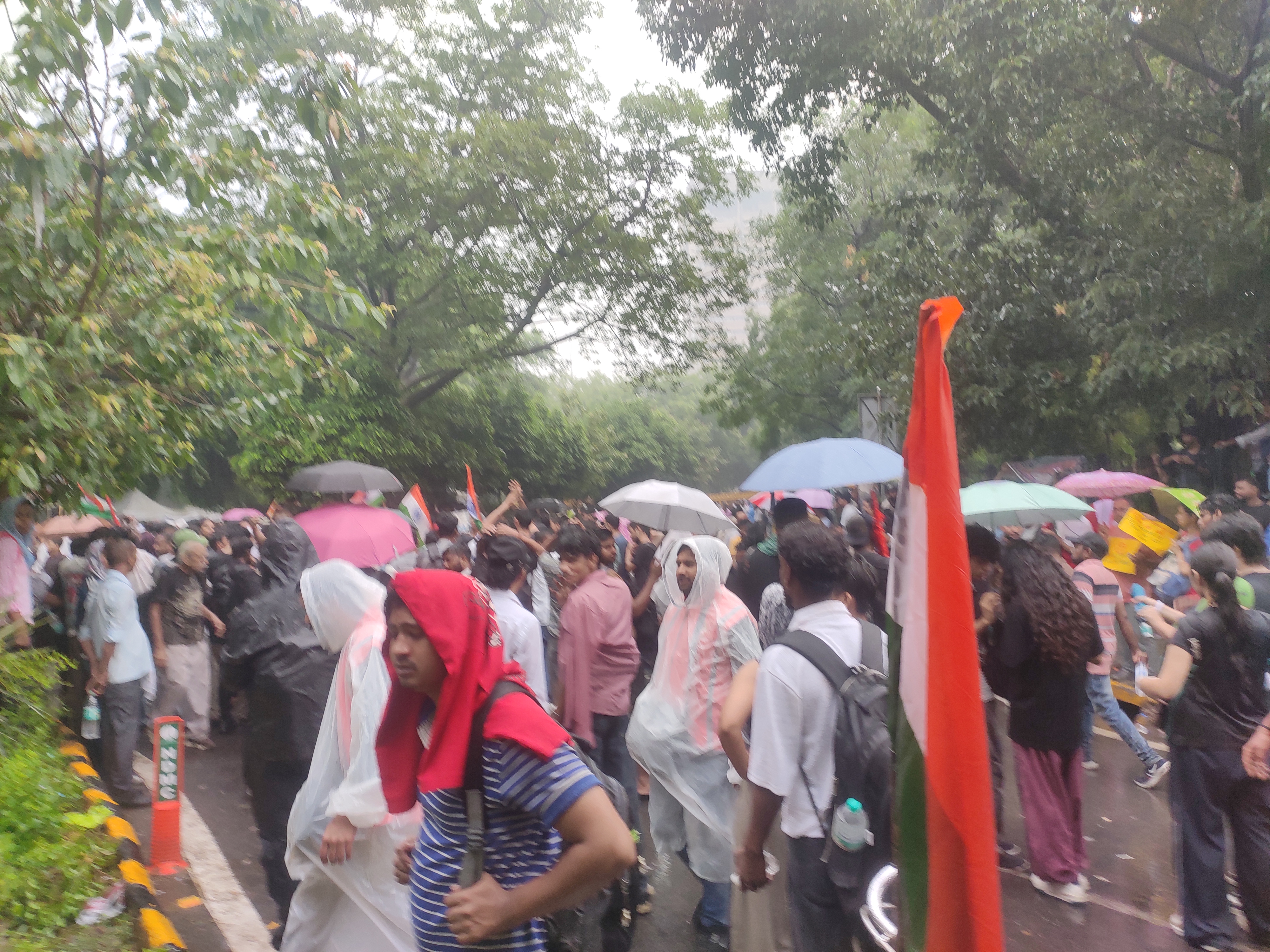
In the bustling streets of Delhi and beyond, a new wave of protests has emerged, spearheaded by India’s youth. The catalyst: a series of scandals surrounding the NEET-UG medical entrance examinations. What began as anger over a paper leak has evolved into a significant political movement, questioning the very fabric of the nation’s governance.
The NEET-UG examination, a crucial gateway for aspiring medical students, faced a credibility crisis in 2026 when a paper leak scandal came to light. In a country where education often defines one's future prospects, such breaches are not taken lightly. Yet, the protests have transcended mere academic grievances, morphing into a broader critique of the political landscape.
The Catalyst and Beyond
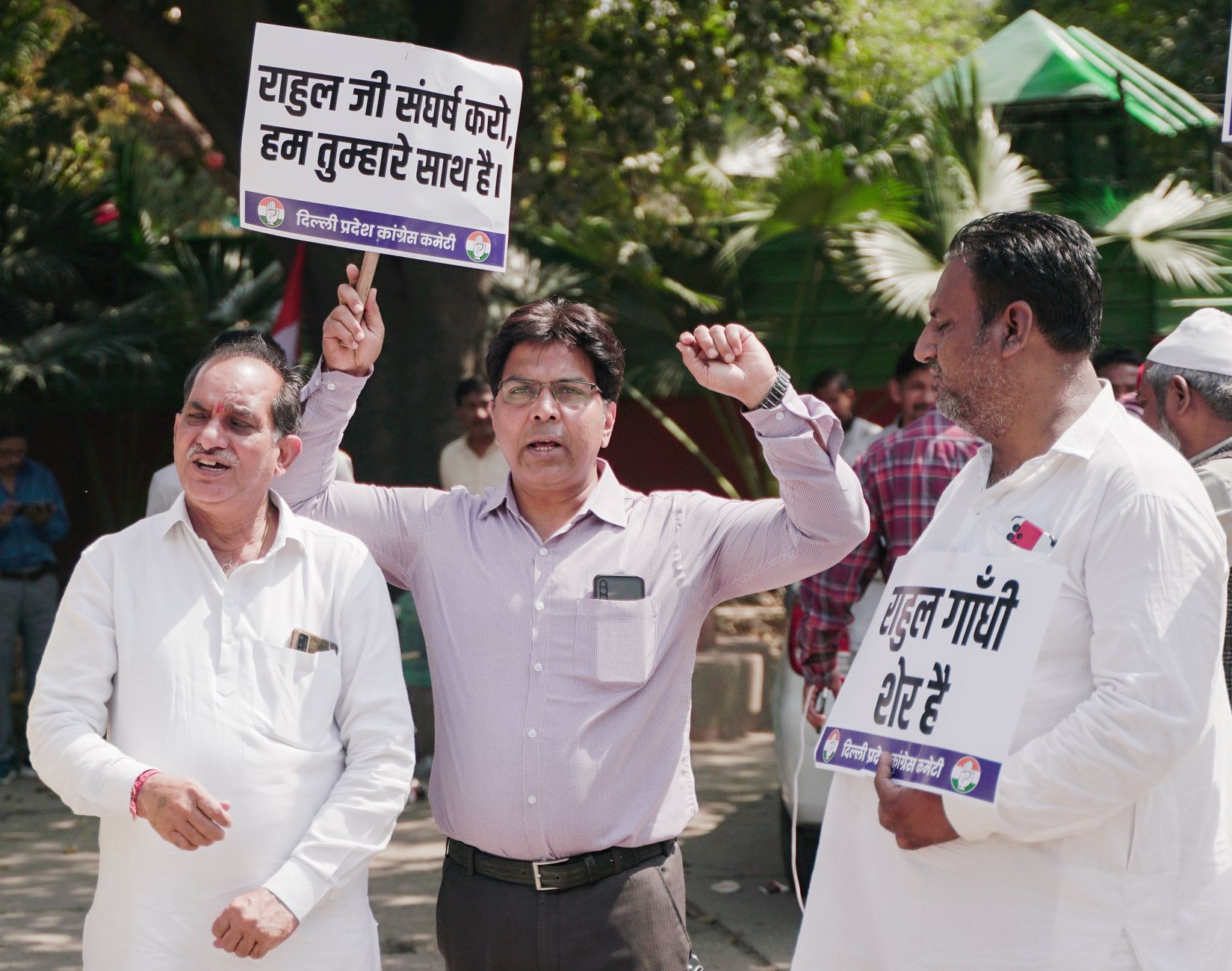
The protests, led prominently by the Committee for Justice in Public (CJP), have garnered widespread attention. Social media has played an indispensable role, amplifying voices and attracting a diverse array of supporters. Sonam Wangchuk’s recent fast highlighted the gravity of the situation, drawing parallels with past movements that reshaped Indian society.
Young Indians, frustrated by unemployment and perceived corruption, are demanding more than apologies and re-tests. They seek accountability and reform within institutions they believe have grown complacent and disconnected from the populace they serve.
A New Political Awakening
This surge of youthful energy represents more than a fleeting moment of dissent. It is a clarion call for change, resonating deeply within a demographic that feels sidelined by traditional politics. The movement has already prompted discussions about governance and the role of youth in shaping India’s future.
As the protests continue, their impact on the nation's political discourse cannot be overstated. Whether these demands will translate into tangible reforms remains uncertain, but the message is clear: India’s youth are no longer content to watch from the sidelines.