India's Youths Challenge Education Status Quo Amid Turmoil
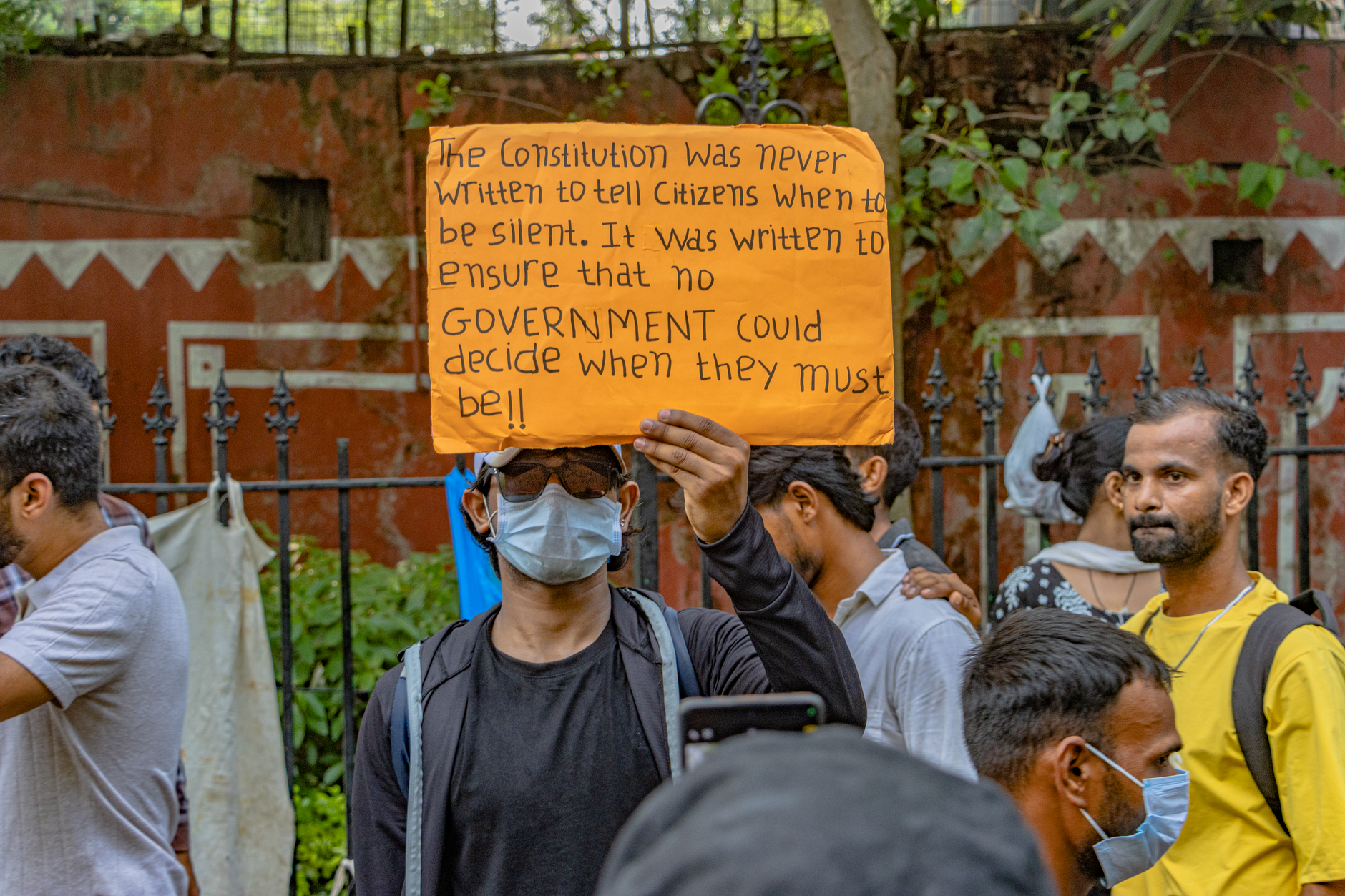
The streets of New Delhi, once teeming with the fervour of young protesters, now echo with the silence of a movement that has, for the moment, achieved its goals. The so-called 'Cockroach' protestors, a name born from their resilience, have dispersed. But the echoes of their demands continue to reverberate through India's political and educational corridors.
The resignation of Education Minister Dharmendra Pradhan marks a significant, albeit partial, victory for the movement. It caps off 36 days of intense protests driven by disillusionment over exam leaks, job scarcity, and alleged corruption. Yet, as the dust settles, critical questions about the future of India's education system and the role of dissent remain.
Under Prime Minister Narendra Modi's government, the education sector has been under scrutiny for its alleged inefficiencies and lack of transparency. The 'Cockroach' movement, spearheaded by the Cockroach Janta Party (CJP), not only highlighted these issues but also galvanised a generation increasingly frustrated with the status quo.
The Power of Youth and Dissent
What sets this protest apart is its grass-roots nature, involving students and young professionals from across the country. The CJP's clever branding - mimicking the ruling BJP's name - provided a potent rallying cry that transcended regional boundaries. The movement's demands, meticulously listed on their website, include comprehensive educational reforms aimed at improving access, transparency, and quality.
While the resignation of a minister might appear as an achievement, it only skims the surface of deeper, systemic issues. India's education system, often criticised for its rote learning and inadequate infrastructure, requires more than ministerial changes. It demands an overhaul that addresses the root causes of student discontent.
Looking Ahead
The dispersal of the 'Cockroach' protesters raises concerns about the sustainability of such movements in a democracy where dissent is increasingly under threat. Can the momentum be maintained, or will it dissipate as the political machinery recalibrates? The future of dissent in India, particularly among its youth, remains an open question.
As the nation reflects on the 'Cockroach' movement's impact, one thing is clear: the youth have found their voice, and they are not afraid to use it. Future protests may well draw lessons from this movement's successes and shortcomings, shaping the course of India's socio-political landscape in the years to come.