Indonesian School Transforms Nature into a Classroom
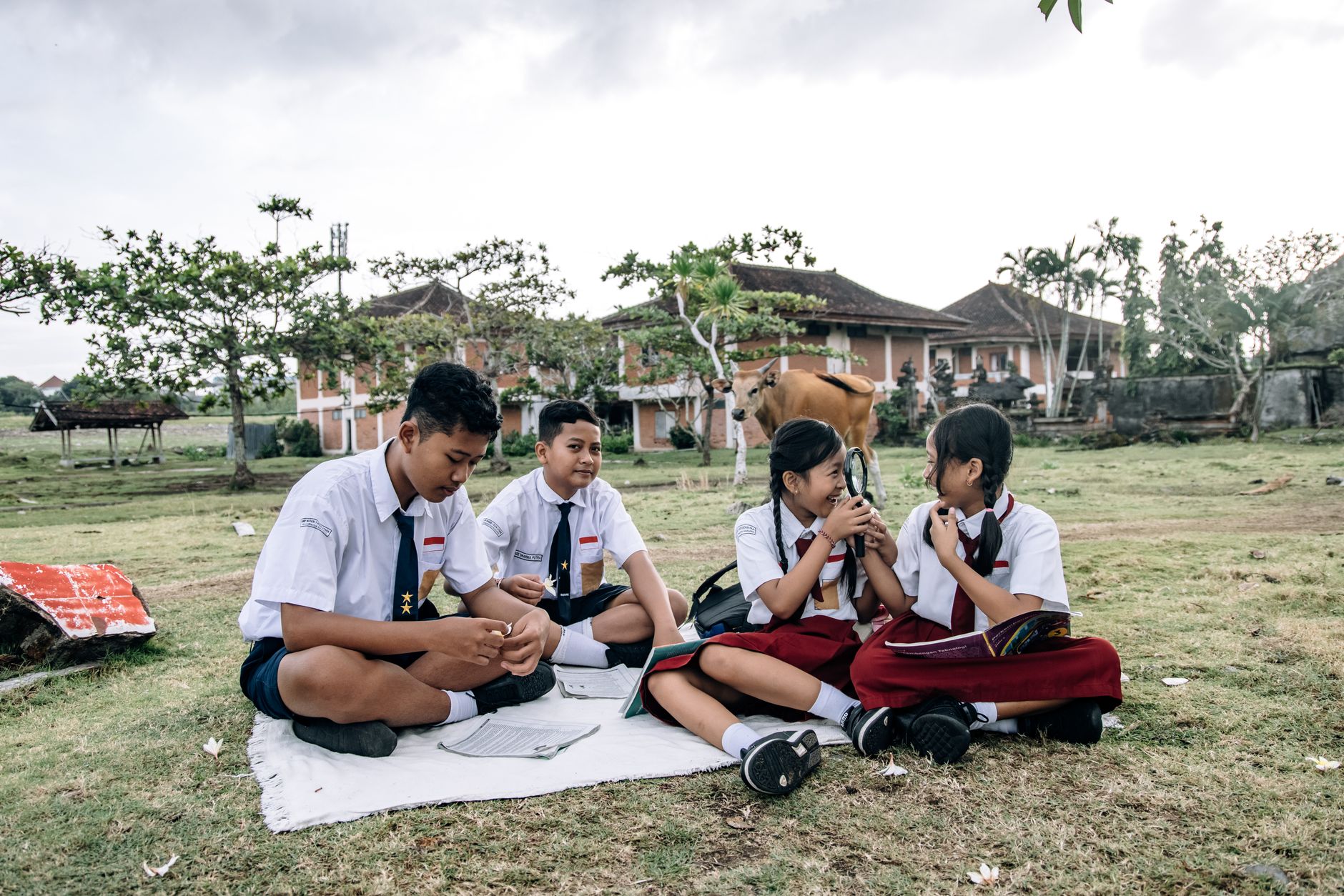
In the remote expanses of rural Indonesia, a Catholic school has embarked on an educational revolution, albeit a quiet one. Amid the lush greenery of its surroundings, this institution is breaking away from traditional classroom confines and is instead turning nature itself into a vibrant learning environment.
Walking through the school's grounds, one might spot students huddled around a patch of soil, analysing the different species of insects they find, or perhaps perched by the riverbank, taking notes on the water's ecosystem. The institution has ingeniously blended its curriculum with the environment, providing a hands-on approach to education.
This method not only enriches the learning experience but also nurtures a profound respect for nature among the students. 'We believe that by exposing children to the natural world, they develop an intrinsic appreciation and understanding of it,' says Sister Maria, a teacher at the school. 'Our aim is to foster a generation that is both knowledgeable and environmentally responsible.'
Such innovative approaches are becoming increasingly significant as the world grapples with environmental challenges. By transforming the surroundings into a classroom, students learn the importance of conservation and sustainability from a young age.
Broader Implications
While this initiative is localised, its implications could resonate far beyond Indonesia. In a world where education systems are often criticised for being out of touch with real-world issues, this school offers a blueprint for integrating practical environmental education into everyday learning.
The success observed here could inspire other rural schools worldwide to consider similar strategies, particularly those in regions where natural resources are abundant yet undervalued.
As Sister Maria aptly puts it, 'We are not just teaching children to pass exams; we are teaching them to appreciate and protect the world they live in.'