Indonesian School Transforms Nature into a Living Classroom
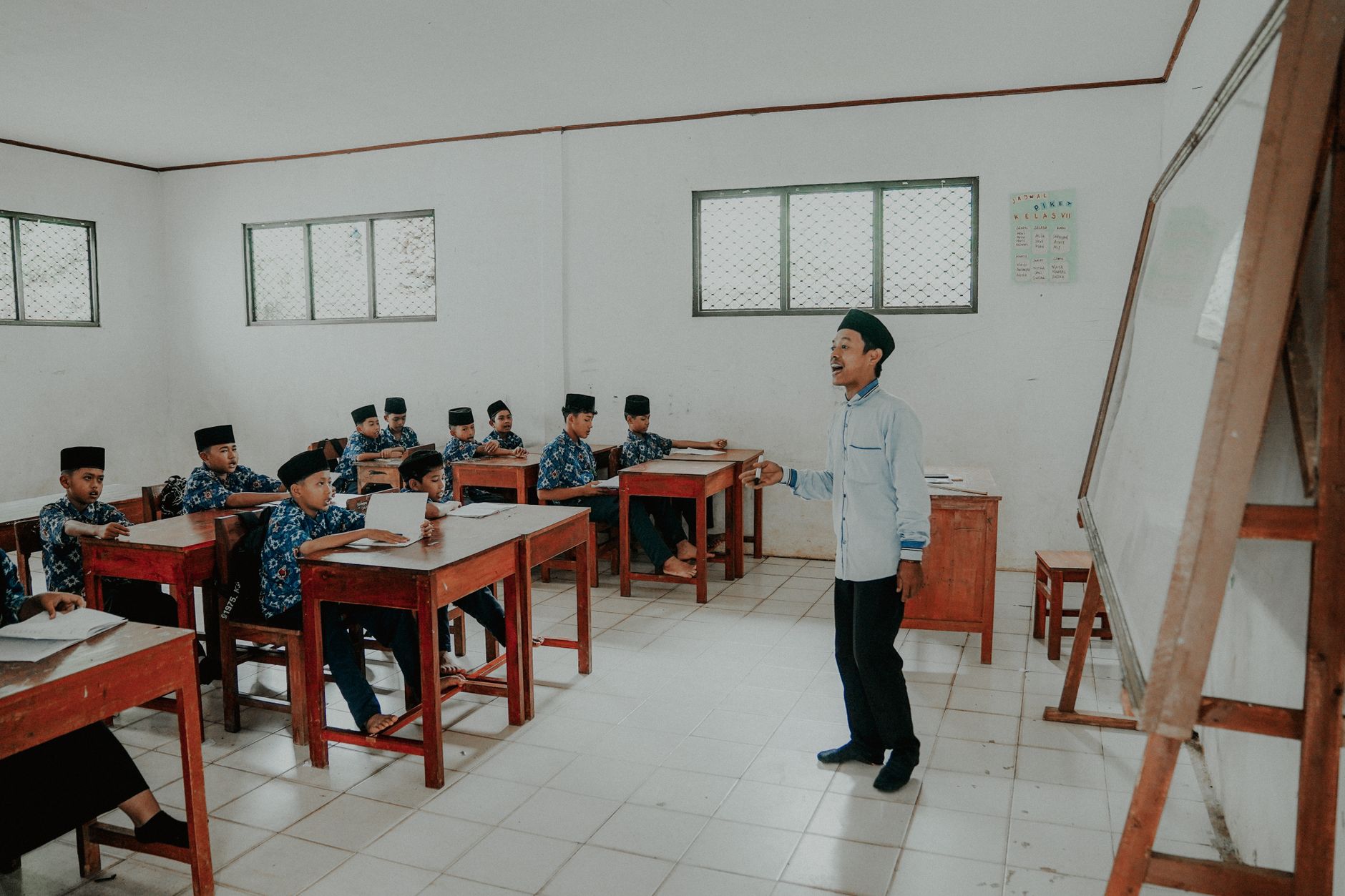
Amidst the lush greenery of rural Indonesia, a Catholic school has embarked on a unique educational journey, redefining the conventional boundaries of learning. Here, the environment is not just a backdrop but an integral part of the curriculum, serving as both a classroom and a teacher.
The idea, as simple as it is profound, involves utilising the natural surroundings to teach students about various subjects. Science classes are conducted in the gardens, where students learn about plant biology by observing local flora and fauna. Mathematics is taught through measuring the height of trees and calculating the area of the school grounds, while art lessons see students drawing inspiration from the vibrant landscapes around them.
Innovative Education in Action
This innovative approach to education is not merely about imparting academic knowledge. It is about fostering a deep-seated respect and understanding of the natural world. The school's headmaster, Father Anthony, believes that by immersing students in their environment, they are more likely to develop a sense of stewardship for the planet.
"Our aim is to cultivate not just educated individuals, but responsible citizens who understand the importance of protecting our earth," Father Anthony explains. This ethos is reflected in the school's motto, "Learn from Nature, Live in Harmony."
A Model for Rural Education
While urban schools often have access to advanced technologies and facilities, rural institutions like this one must rely on creativity and available resources. The success of this programme has not gone unnoticed, with educators from across Indonesia visiting to learn from this model.
Critics might argue that this approach cannot replace traditional classroom learning. However, the school maintains that integrating the environment into education complements traditional methods, providing a well-rounded learning experience. The students are testament to its effectiveness, with many expressing a newfound appreciation for their surroundings and a keen interest in subjects they previously found mundane.
As the world grapples with environmental challenges, this rural Indonesian school offers a forward-thinking template for how education can adapt and thrive, even in the most unlikely of settings. In doing so, it reminds us that sometimes, the most effective lessons are those taught outside the confines of four walls.