Indonesia's Volcanic Vigil: Life on the Edge of the Ring of Fire
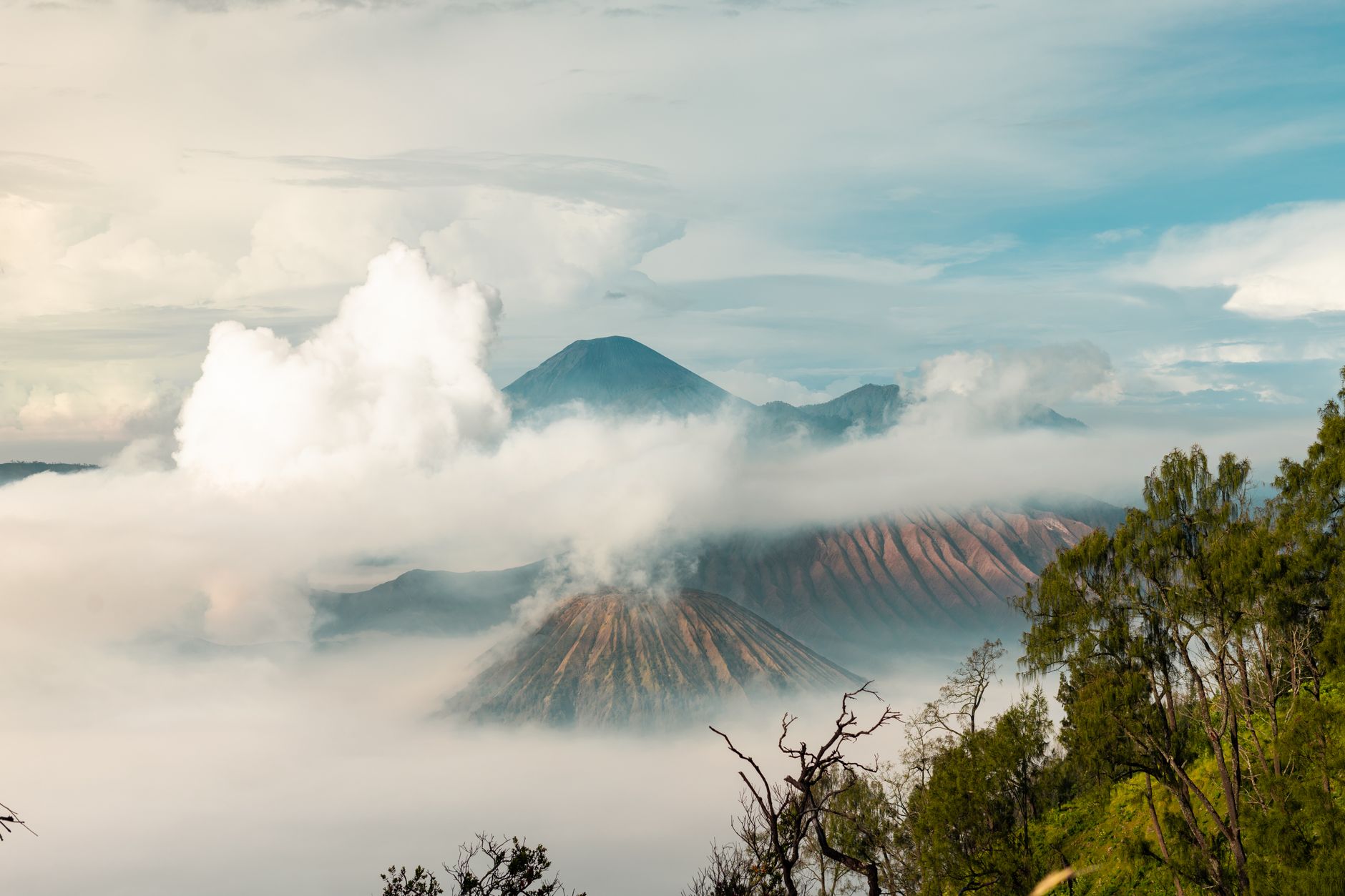
For tourists and scientists alike, Indonesia presents a paradoxical allure. With its lush landscapes and fiery underbelly, the archipelago stands as the world's most volcanic nation, hosting 127 active volcanoes. This is more than any other country on Earth, a testament to its precarious position along the Pacific Ring of Fire.
The Ring of Fire is a long horseshoe-shaped band in the Pacific Ocean basin, renowned for its volatile tectonic activity. It is here that the Earth's plates meet, grind, and occasionally erupt with explosive force. Indonesia's strategic location on this ring makes it a focal point for volcanic and seismic activity.
One of the most infamous eruptions in history, that of Mount Tambora in 1815, took place in Indonesia. This colossal eruption led to what is known as the "Year Without a Summer" due to the volcanic ash cloud that altered global climate patterns. Today, more than 120 million Indonesians reside perilously close to active volcanoes, living with the constant rumble beneath their feet.
The Perils and Prospects of Volcanism
While the threat of eruptions looms large, Indonesia's volcanoes also bring life. The rich volcanic soil is a boon for agriculture, supporting a diversity of crops. This fertility is a double-edged sword, offering both sustenance and potential devastation.
Notably, Mount Merapi, which frequently erupts, is situated on the island of Java, the world's most populous island. The active status of such volcanoes necessitates rigorous monitoring. Government agencies and international bodies collaborate to keep a vigilant eye on these fiery giants, employing technology and local knowledge to predict and manage potential eruptions.
A Global Concern
The implications of Indonesia's volcanic activity reach far beyond its borders. The ash clouds from eruptions can disrupt air travel globally, as witnessed during the 2010 eruption of Iceland's Eyjafjallajökull. Moreover, the climatic impact of large eruptions can influence weather patterns worldwide, a reminder of our interconnected planet.
While the world watches, Indonesians live in a delicate balance with nature's formidable power, harnessing its benefits while respecting its potential for destruction. This coexistence is a powerful reminder of the resilience and adaptability required to thrive in one of Earth's most dynamic environments.