Infant Exoplanet Elias 2-24 b Becomes Youngest Known World
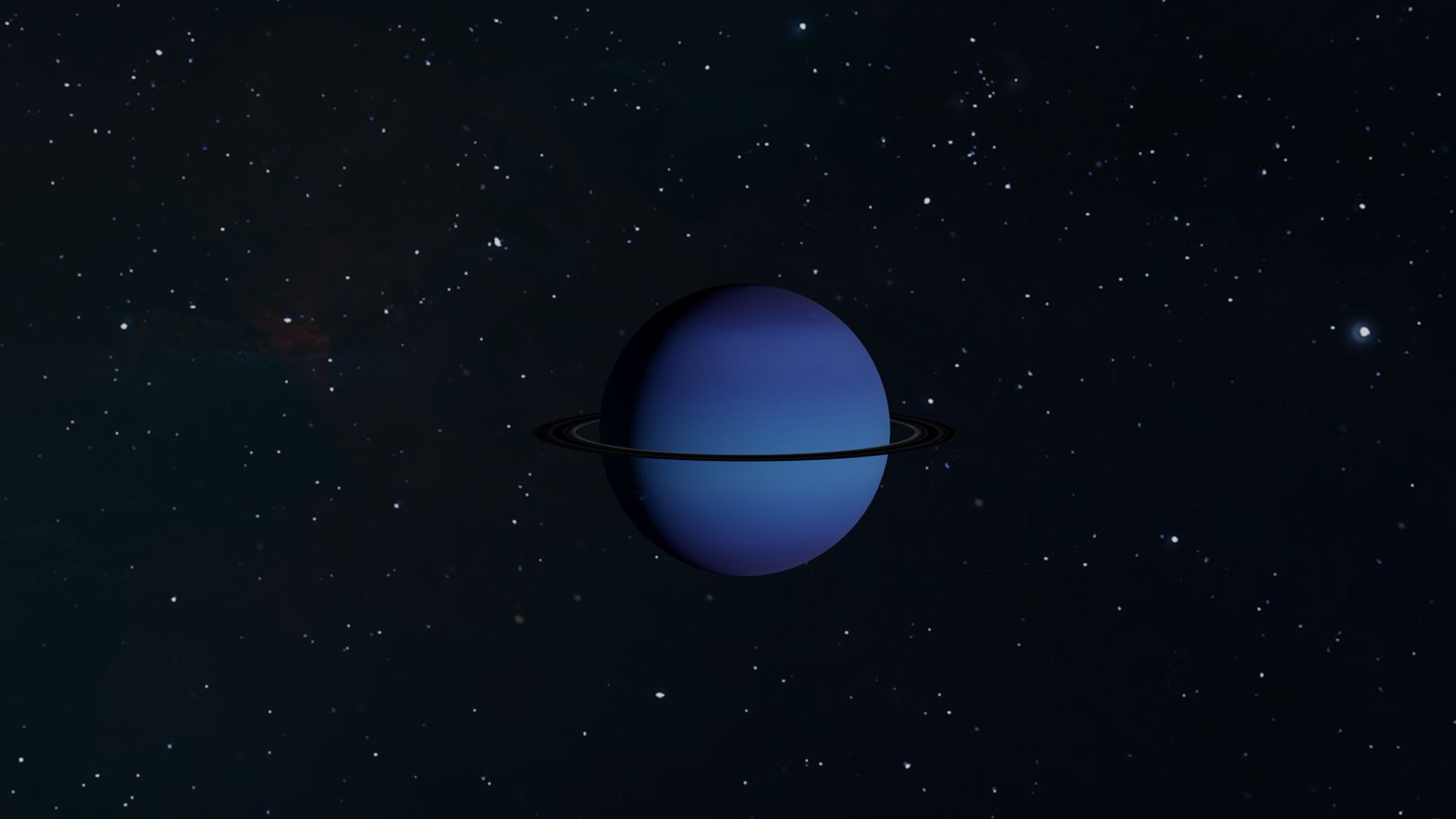
In the vast tapestry of the cosmos, a new celestial infant has emerged to capture the attention of astronomers worldwide. Elias 2-24 b, an exoplanet less than a million years old, has been confirmed as the youngest known world, orbiting within a primordial disk of dust and gas. This newly identified planet, discovered using archival data funded by NASA, is causing quite a stir in the astronomical community.
The discovery of Elias 2-24 b not only sets a new record but also poses intriguing questions about the formation of planets. Many existing models struggle to account for such rapidly developed celestial bodies. "Our planet-formation models already struggled to explain the previous record holders for the youngest known planet," noted Lucas Cieza, a co-author of the paper detailing the discovery.
Located in a star system that is still in its infancy, Elias 2-24 b's existence is a testament to the dynamic processes at play in the universe. The planet resides in a swirling mass of cosmic material, a nursery of sorts, where planets are born and evolve. This environment provides a rare opportunity to study the early stages of planetary development, offering insights that could refine our understanding of how planets, including those in our own solar system, come into being.
While the discovery is thrilling, it also underscores the limitations of current scientific models. Theories that once seemed robust are now being tested against these surprising findings, prompting a re-examination of the fundamental principles that govern planet formation. Elias 2-24 b's youthful existence is a reminder that the universe still holds many secrets, waiting to be unravelled by curious minds and ever-advancing technology.
As astronomers continue to explore the cosmos, each new discovery, like that of Elias 2-24 b, serves as a stepping stone towards a greater understanding of the universe. This baby planet, cradled in the cosmic cradle of dust and gas, may yet reveal insights that could transform our comprehension of planetary genesis.