Inside the Workshop of Harare's Cricket Bat Maestro
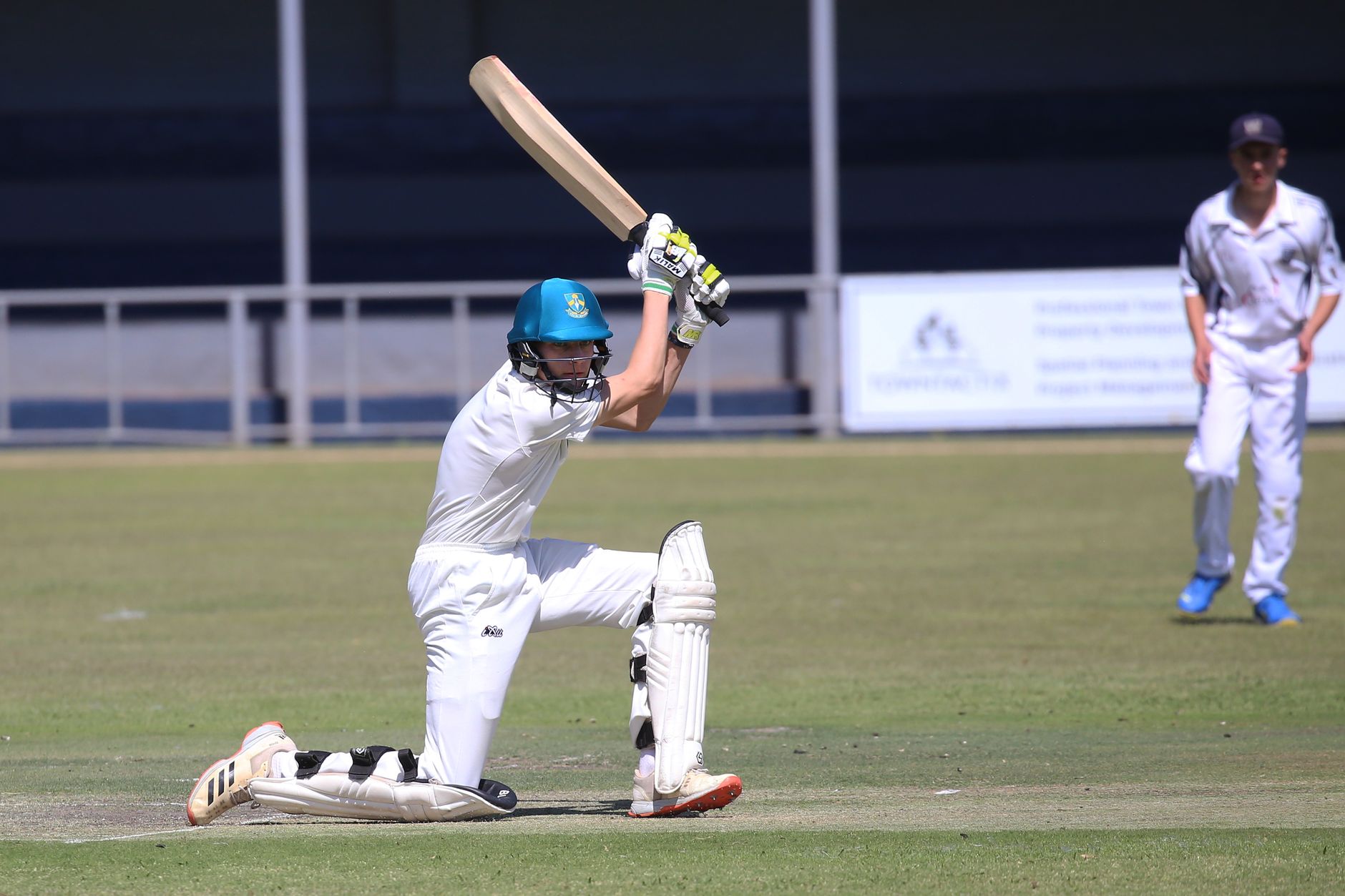
On an ordinary day at Harare Sports Club, the thwack of willow meeting leather is a familiar sound. But step away from the pitch, and into a small, dimly lit workshop, and you'll find a different kind of cricketing craft on display. Here, the so-called 'Bat Doctor' quietly tends to the tools of the trade for some of Zimbabwe’s finest cricketers.
Amidst the clutter of wood shavings and varnish pots, the Bat Doctor—a moniker affectionately given by the players—plies his trade. His real name is not widely known, but his reputation amongst the cricketing elite is as finely honed as the bats he crafts. For players like Sikandar Raza, Craig Ervine, and Sean Williams, these bats are more than mere equipment; they are an extension of their sporting prowess.
The process of bat crafting is as much an art as it is a science. The balance, the weight distribution, and the sweet spot are all calibrated with precision. Each bat is bespoke, tailored to the unique preferences of its user. “A good bat doesn’t just come off the shelf,” the Bat Doctor explains, his hands deftly sanding the blade of a bat destined for the next international fixture. “It’s about understanding the player, how they play, where they like the ball to hit.”
The Heart of the Game
Cricket, often described as a batsman’s game, places a premium on the quality of the bat. In recent years, the evolution of the game has seen bats become lighter but more powerful, a change that the Bat Doctor has adapted to with aplomb. His workshop, modest though it may be, is filled with the echoes of great matches and greater expectations.
Yet, it’s not just the physical craft that makes the Bat Doctor’s work essential. His understanding of the psychological comfort a well-made bat can provide is unparalleled. “Cricketers are a superstitious bunch,” he chuckles. “A crack in the bat or a splinter can throw them off their game. It’s my job to ensure they walk onto that pitch with confidence.”
Beyond the Boundary
As Zimbabwe prepares to host Bangladesh in a series of ODIs, the spotlight will be on the players, but the Bat Doctor's quiet contributions will resonate with every stroke played. His workshop may be small, but its impact echoes far beyond the boundary ropes of Harare Sports Club.
In a nation where cricket is more than a pastime but a passion that unites spectators in joy and despair, the Bat Doctor remains a guardian of the game’s soul—ensuring that each bat, like the players who wield them, is ready to face whatever comes its way.