Invisible Intruders: Cosmic Particles in Your Body
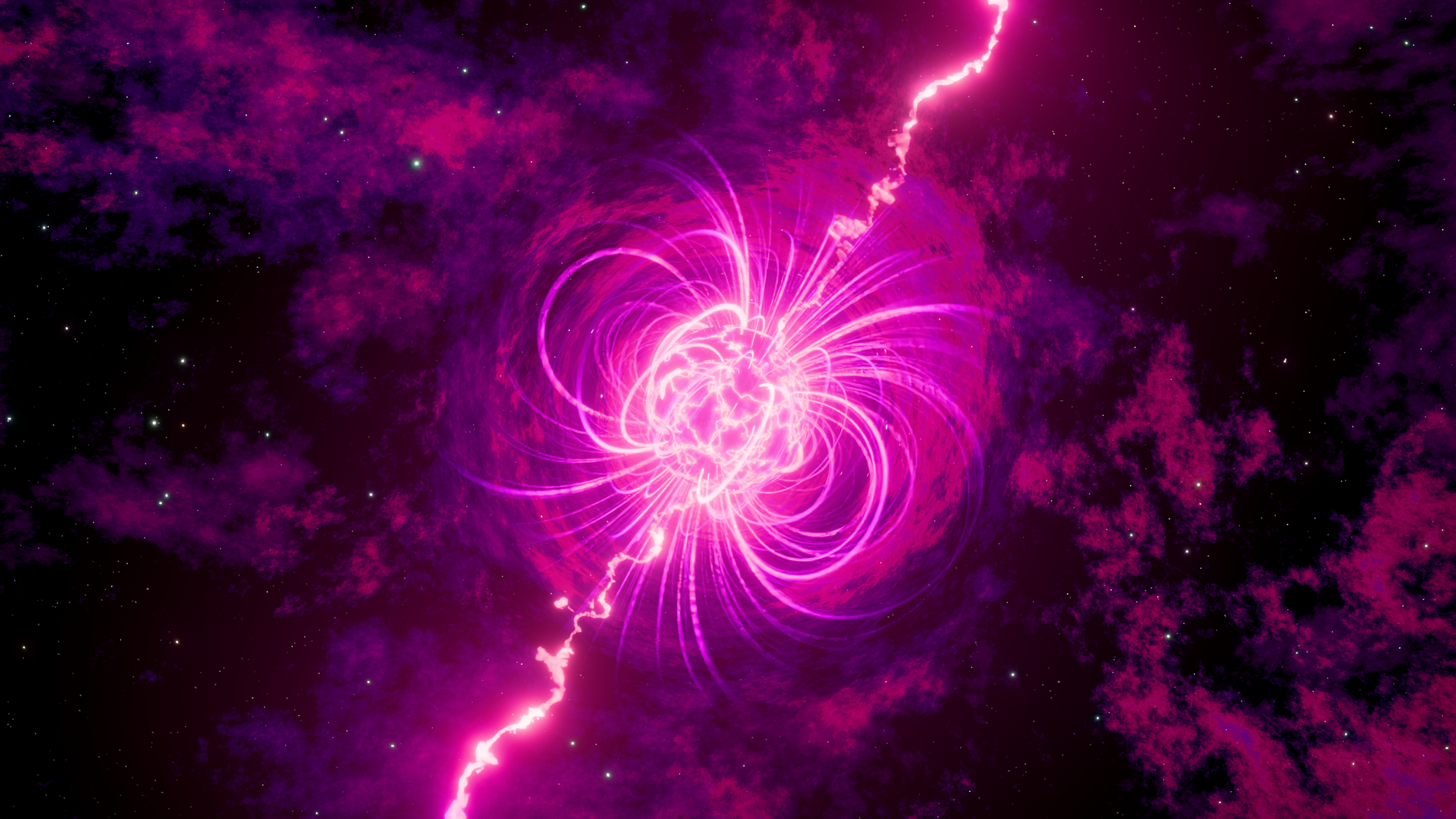
As you sip your morning tea, a remarkable phenomenon is occurring within you. Every second, over 10 million cosmic particles, including neutrinos, pass through your body completely unnoticed. These particles, born in the fiery crucibles of black holes and supernovae, traverse the vast expanse of space to reach us, offering a silent testimony to the universe's most energetic and enigmatic events.
Neutrinos, nearly massless and electrically neutral, are particularly elusive. They interact so weakly with matter that they pass through planets, stars, and our own bodies without leaving a trace. Every square centimetre of Earth is bombarded with about 1,300 neutrinos every second, a staggering number that underscores their abundance.
The Cosmic Origin
These particles originate from some of the universe's most extreme environments. Exploding stars and black holes eject cosmic rays, which in turn trigger showers of secondary particles, including neutrinos, as they collide with atoms in Earth's atmosphere. Each of these particles carries a piece of the story of its origin, helping scientists piece together the cosmic puzzle.
While neutrinos pass through us harmlessly, their study is anything but trivial. They provide crucial insights into astrophysical phenomena far beyond our solar system. Understanding neutrinos may hold the key to unravelling mysteries about the nature of the universe, such as the behaviour of matter under extreme conditions and the processes driving cosmic explosions.
A Window into the Cosmos
Despite their elusive nature, scientists have developed ingenious methods to detect these ghostly particles. Neutrino observatories, often buried deep underground or submerged in ice, capture the rare interactions between neutrinos and other particles. Such experiments are pivotal in expanding our understanding of the universe's most violent processes.
So, while the daily passage of these cosmic intruders goes unnoticed, their impact on our understanding of the cosmos is profound. As researchers continue to probe these particles, they bring us closer to deciphering the grand narrative of the universe, one particle at a time.