Iran Accuses US and Israel of Desperation Following Cleric's Assassination
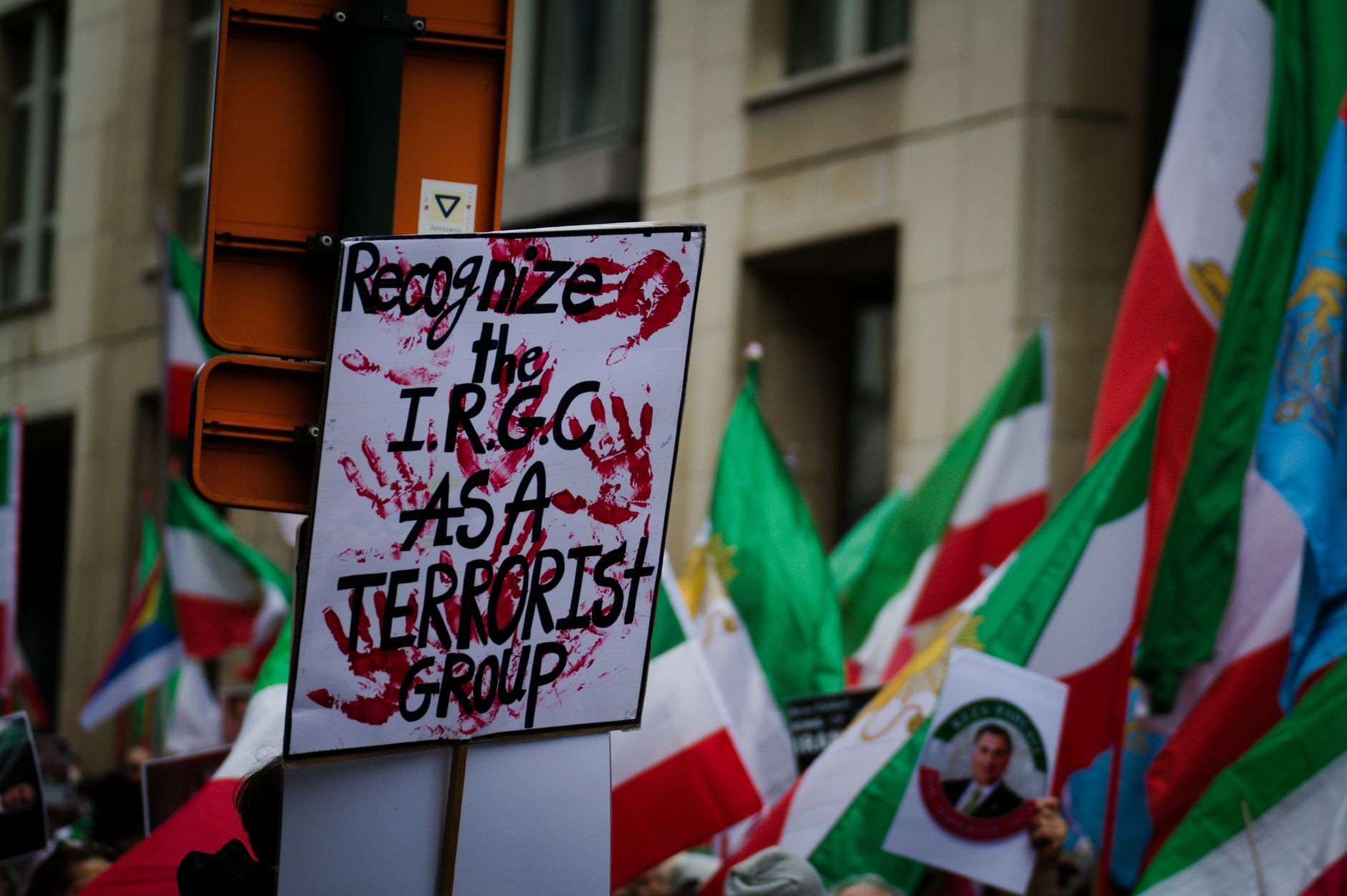
In the dusty streets of Zahedan, a city often thrust into the limelight for its strategic significance, the assassination of Sunni cleric Molavi Yousef Gorgij has stirred a hornet's nest. The cleric, revered by many, was gunned down in a brazen attack deemed by the Islamic Revolutionary Guard Corps (IRGC) as a symptom of 'desperation' by the United States and Israel.
Major General Ahmad Vahidi, Commander-in-Chief of the IRGC, did not mince words in his condemnation, suggesting that such acts reveal a deep-seated frustration among Iran's adversaries. The assassination, he argued, is not merely an isolated incident but part of a broader geopolitical chess game that has seen moves and countermoves escalate tensions across the region.
A Region on Edge
The killing in Sistan and Baluchestan Province, a region already bubbling with ethnic and sectarian undercurrents, comes on the heels of Iran's retaliatory missile strikes. These strikes were a direct response to the assassinations of high-profile figures such as Ismail Haniyeh of Hamas and Hezbollah's Sayyed Hassan Nasrallah. The IRGC’s missiles targeted Israeli military and intelligence bases, a grim reminder of the fragile peace hanging by a thread in the Middle East.
Tribal leaders and religious figures from the province have decried the assassination, viewing it as an affront not only to their faith but also to their communal identity. The outpouring of grief and anger has been palpable, with many questioning the motives behind such a targeted attack.
Broader Implications
Analysts suggest that the implications of Gorgij's assassination could be far-reaching. It threatens to exacerbate sectarian tensions within Iran, where the Sunni minority has often felt marginalised. Moreover, it adds another layer of complexity to the already convoluted relations between Iran, the US, and Israel.
The assassination underscores the precarious nature of power dynamics in the region. As Iran grapples with internal and external pressures, the incident serves as a stark reminder of the ongoing struggle for influence and control in a theatre where alliances are fluid and loyalties are often tested.