Iran Calls on US Electorate to Oust 'Evil' Politicians
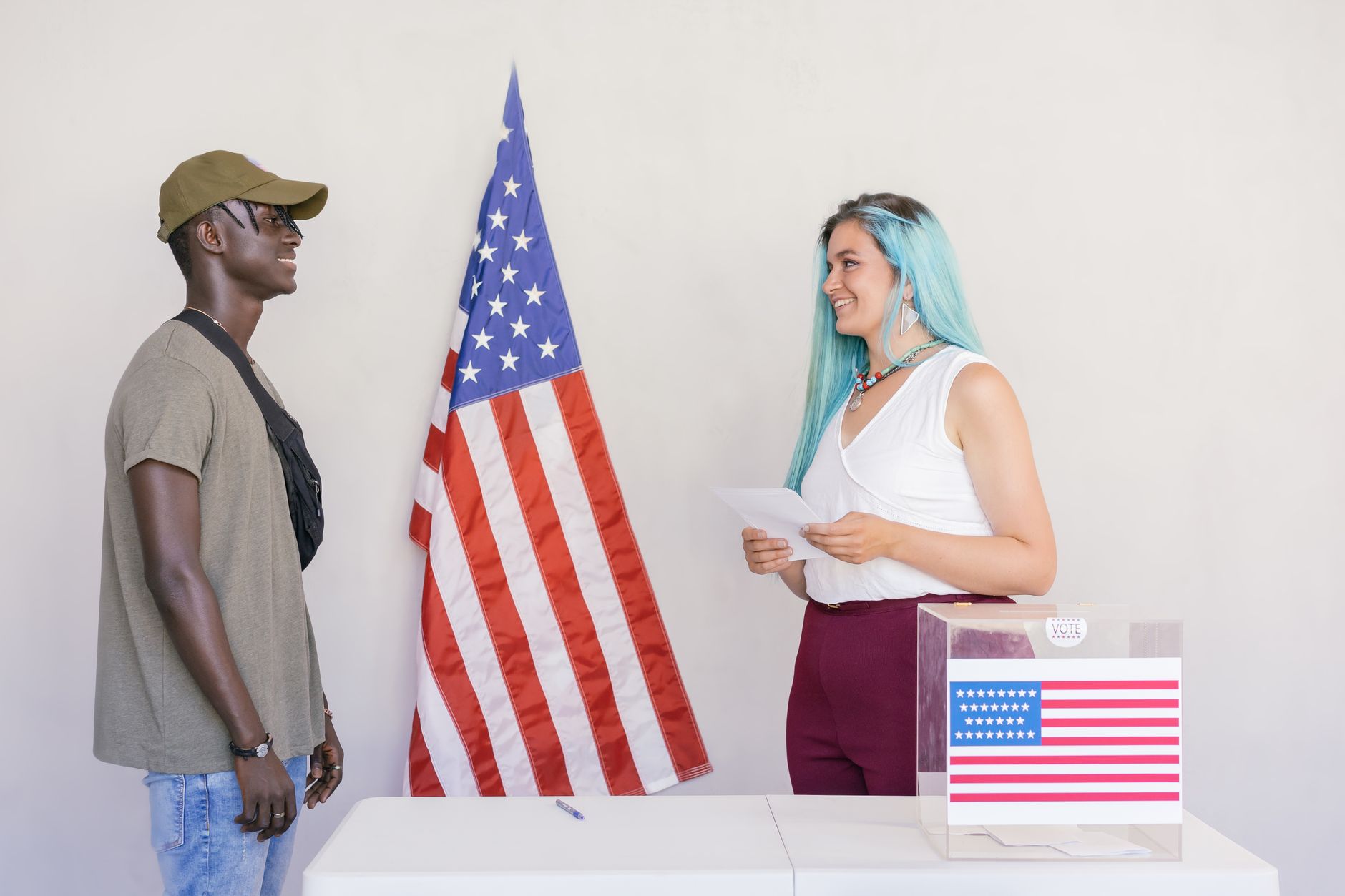
In an extraordinary diplomatic turn, Iran has openly called upon the American electorate to purge 'evil and violent' politicians from power. This bold statement was made in a missive that criticises certain US leaders for their role in what Tehran perceives as the nation's deteriorating state.
The letter, which has stirred international intrigue, urges Americans to take decisive action against those who it claims have led the country down a perilous path. The timing of this appeal is significant, coming as the United States gears up for another election cycle, with the political climate already highly charged and polarised.
While the Iranian leadership's rhetoric is anything but subtle, it reflects a broader strategy to sway public opinion in the US. Iran, often at loggerheads with Washington over regional policies and nuclear agreements, seeks to highlight what it terms the 'failures' of American governance.
Historical Context
This is not the first instance of Iran's outspoken criticism of US policies. The two nations have long been adversaries, with relations strained over issues such as Iran's nuclear programme and US sanctions. Yet, this direct appeal to the American public marks a novel approach in Iran's diplomatic playbook.
In the past, Iran has often relied on traditional diplomatic channels or indirect means of communication. However, this overt message seems to be aimed at exacerbating existing divisions within the United States, potentially influencing voter sentiment as political campaigns heat up.
Impact and Implications
The Iranian government's call for change in the US political landscape underscores the ongoing geopolitical tension and highlights Tehran's frustration with current diplomatic standoffs. However, the effectiveness of such a plea remains questionable. Historically, American voters have been wary of foreign interference, especially from states considered adversarial.
Nonetheless, the statement serves as a reminder of the complex web of international relations and the lengths to which nations might go to influence each other's domestic affairs. As the United States heads into another electoral season, the impact of foreign narratives on its political discourse will undoubtedly be scrutinised.