Iran-Oman Pact on Hormuz: No Immediate Reopening
In the sun-drenched corridors of diplomacy, whispers of an understanding between Iran and Oman have stirred both interest and confusion. Speculation has been rife regarding the potential reopening of the Strait of Hormuz, a critical artery for global oil transport. However, officials insist that such expectations may be premature.
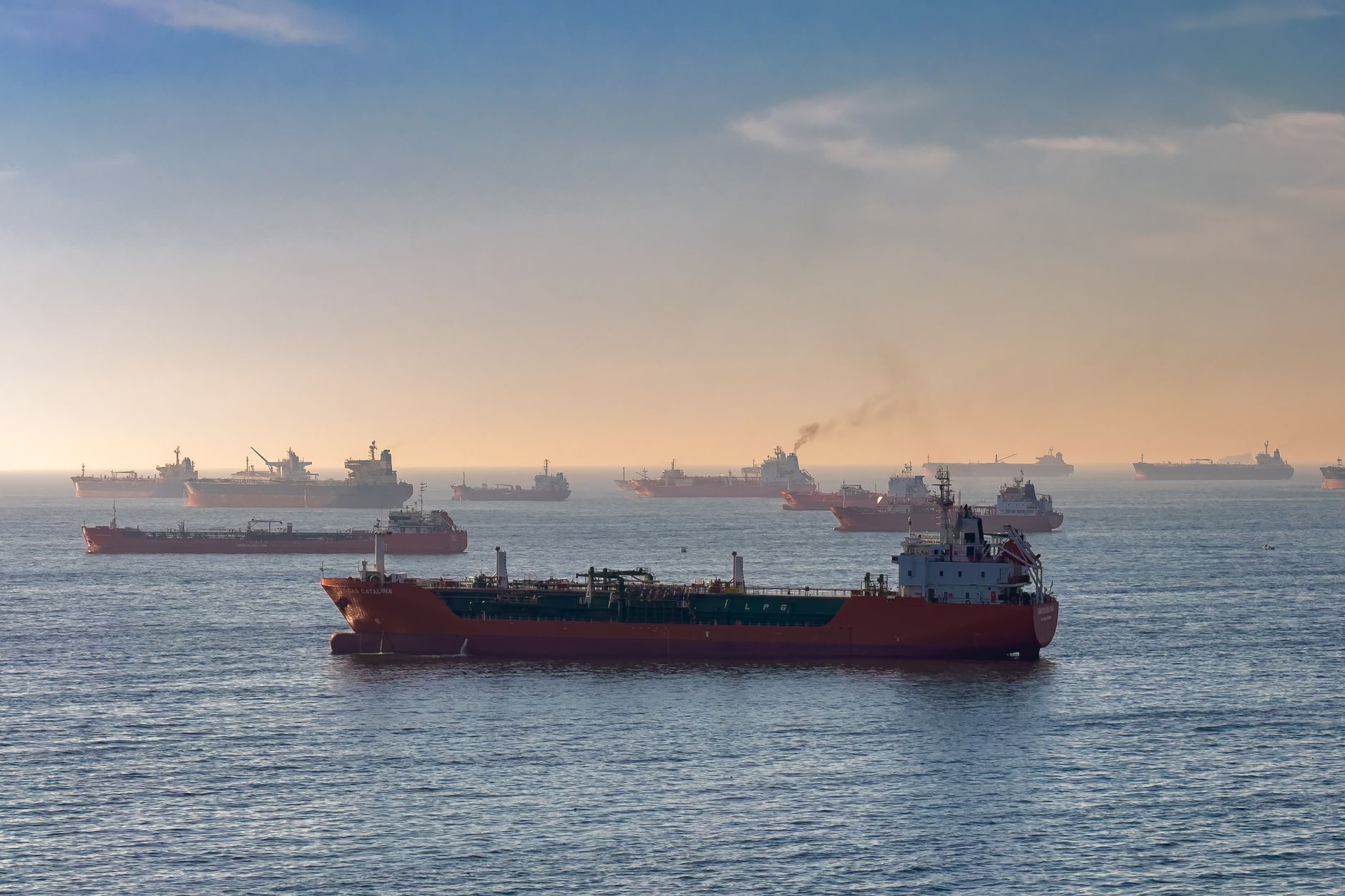
The Strait of Hormuz, often described as the world's most important oil chokepoint, is a vital maritime passage between the Persian Gulf and the Gulf of Oman. Recent reports suggested that a framework agreement on transit routes had been reached between Tehran and Muscat. Yet, a source close to Iran's negotiating team has clarified to Tasnim, the semi-official news agency, that this does not equate to an immediate reopening.
Strategic Significance
The strait's closure or restricted access can have profound impacts on global oil markets. Approximately a fifth of the world's petroleum passes through this narrow channel, making it a strategic geopolitical lever. Any hint of reopening is bound to attract international attention, but for now, it seems that any such move remains a distant prospect.
The agreement, as it stands, appears to be more of a diplomatic gesture—a nod towards potential cooperation and improved bilateral relations. It signifies a willingness to engage in future dialogues, potentially paving the way for easing tensions in the region.
Geopolitical Context
Historically, the Strait of Hormuz has been at the centre of regional tensions, with Iran frequently threatening to close it in response to international pressure or military provocations. Such actions have previously led to spikes in oil prices and heightened military presence from global powers.
While this new understanding with Oman might suggest a thawing of relations, it is crucial to temper expectations. The southern route of the strait remains closed, and any substantive change would require broader international negotiations.
As the world watches, the delicate dance of diplomacy continues in the Middle East. The promise of future cooperation offers a glimmer of hope, but for now, the waters of the Strait of Hormuz remain as they are—strategically vital and heavily guarded.