Iran Urges BRICS to Trade in Local Currencies Amid Sanctions
In a bold manoeuvre to sidestep the constraints of US-imposed sanctions, Iran has urged the BRICS nations to conduct their business transactions in local currencies. The call, championed by Iranian President Masoud Pezeshkian, has found a receptive audience in Russia, a fellow sanction-suffering compatriot.
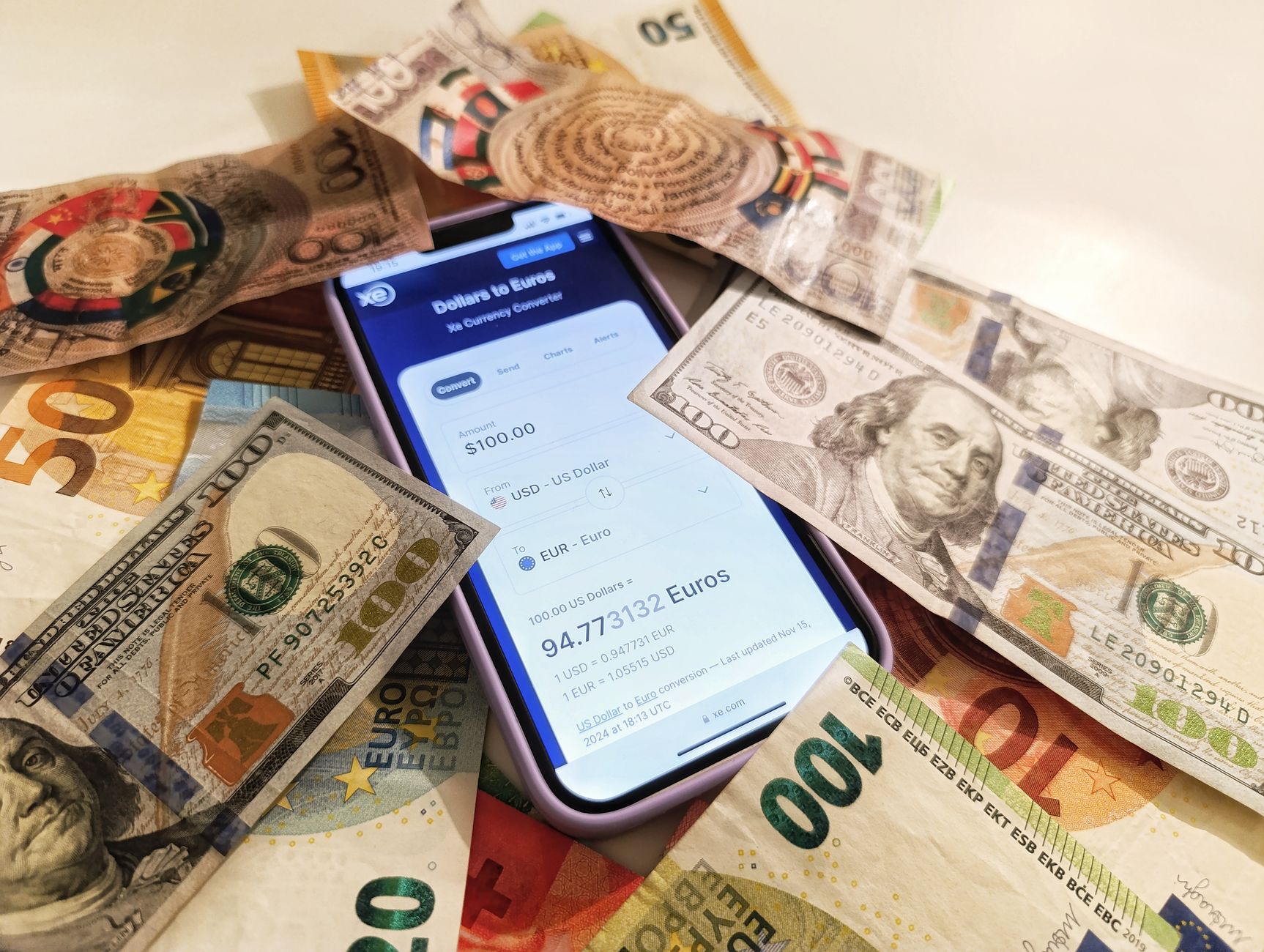
During a recent BRICS summit, Pezeshkian highlighted the need for the group to reduce its reliance on the US dollar, which has long been the linchpin of international trade. 'Greater use of national currencies would not only mitigate the risks associated with political upheavals but also strengthen economic ties among BRICS nations,' he stated.
A Strategic Shift
The proposal comes at a time when the BRICS bloc—comprising Brazil, Russia, India, China, and South Africa—is exploring new avenues for financial cooperation. India's current chairship of BRICS has prioritised practical financial strategies, including local-currency settlements to reduce transaction costs.
Russia's President Vladimir Putin echoed Pezeshkian's sentiments, advocating for an expanded role for the New Development Bank and new investment platforms within BRICS. 'By doing so, we can insulate our economies from external shocks and create a robust framework for sustainable growth,' Putin remarked.
Geopolitical Implications
The emphasis on local currencies is not merely an economic strategy but a geopolitical one. It seeks to challenge the dominance of the US dollar, a move likely to resonate with other countries facing similar sanctions. Pezeshkian also positioned Iran as a crucial link in the BRICS supply chain, leveraging its geographical location and abundant energy reserves to bolster the bloc's energy, food, and transport sectors.
However, the transition to local currencies is not without its challenges. Mechanisms to manage currency risks and reciprocal settlements need to be robustly developed. Nonetheless, the proposal signals a strategic pivot that could redefine international trade dynamics.
As BRICS nations deliberate on this proposal, the world watches closely. The outcome could reshape global economic alliances and alter the balance of power in international trade.