Iranian President Labels Mideast Wars as 'Ecocide'
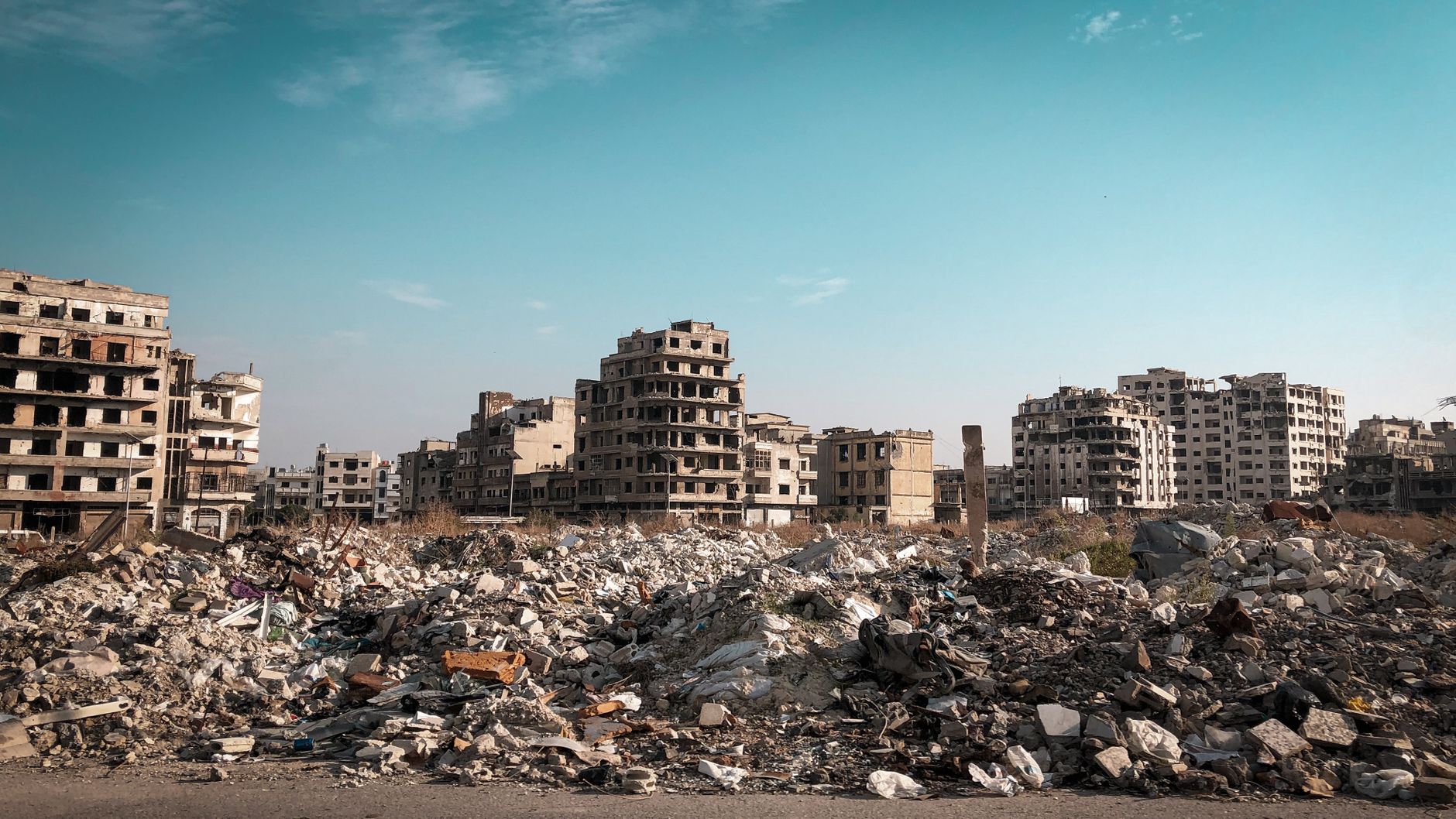
In a scathing critique of the environmental repercussions of warfare, Iran's President Masoud Pezeshkian has termed the ongoing conflicts in the Middle East as 'ecocide'. Speaking at a recent international environmental summit, Pezeshkian accused certain nations of waging 'wars of aggression' that devastate natural landscapes and disrupt ecological balance.
The Iranian leader's comments come amidst rising global awareness of the environmental costs of military actions. Pezeshkian specifically condemned the targeting of fossil fuel storage facilities and industrial infrastructure, actions he described as 'a destructive assault on the natural environment'. He urged world leaders to recognise and condemn these acts, which he claims have long-term detrimental effects on the planet.
Environmental Costs of War
Wars have traditionally been evaluated in terms of human and economic tolls, but the environmental impact is often overlooked. The Middle East, already grappling with climate change and scarce water resources, faces exacerbated ecological challenges due to these conflicts. The destruction of industrial sites not only releases harmful pollutants into the air and water but also contributes to the degradation of arable land.
Pezeshkian's allegations are part of a broader narrative that seeks to highlight the intersection of conflict and environmental degradation. His administration has been vocal about the need for international frameworks that address the environmental dimensions of warfare.
A Call for Global Action
The president's plea is not just a call to action for immediate environmental repair but a critique of the international community's silence. He argues that global leaders must hold aggressor nations accountable for ecological damage, urging for more stringent international laws to protect the environment during conflicts. There is a growing consensus that such environmental destruction contributes to a vicious cycle of conflict and resource scarcity, further destabilising already volatile regions.
As the world grapples with the dual crises of climate change and geopolitical instability, Pezeshkian's message underscores the urgency of integrating environmental considerations into peacekeeping and diplomatic efforts. Whether the international community will heed this call remains uncertain, but the implications of ignoring it could be dire for both the region and the planet.