Iran's Melodious Rebellion: Music as a Political Voice
In the bustling streets of Tehran, the strains of a guitar echo against the walls, a quiet act of defiance in a city where music has long been a battleground. For the Iranian regime, music is more than a cultural pastime; it is a tool, wielded with precision to sway public opinion and bolster its ideology.
The Revolution's Aftermath
Following the 1979 Islamic Revolution, music found itself in the crosshairs. Regarded as a potential corrupter of morals, it was swiftly banned. Yet, like a resilient melody, it found ways to resurface, providing a soundtrack to the changing tides of Iranian society. During the protracted Iran-Iraq War, the regime itself adopted music as a vehicle for propaganda, weaving patriotic tunes to rally support.
But the relationship Iranians have with music goes far beyond state control. It has become a quiet form of resistance, a channel for dissent and a means to question authority. Artists craft songs that resonate with the struggles and aspirations of a young generation yearning for change.
A Political Symphony
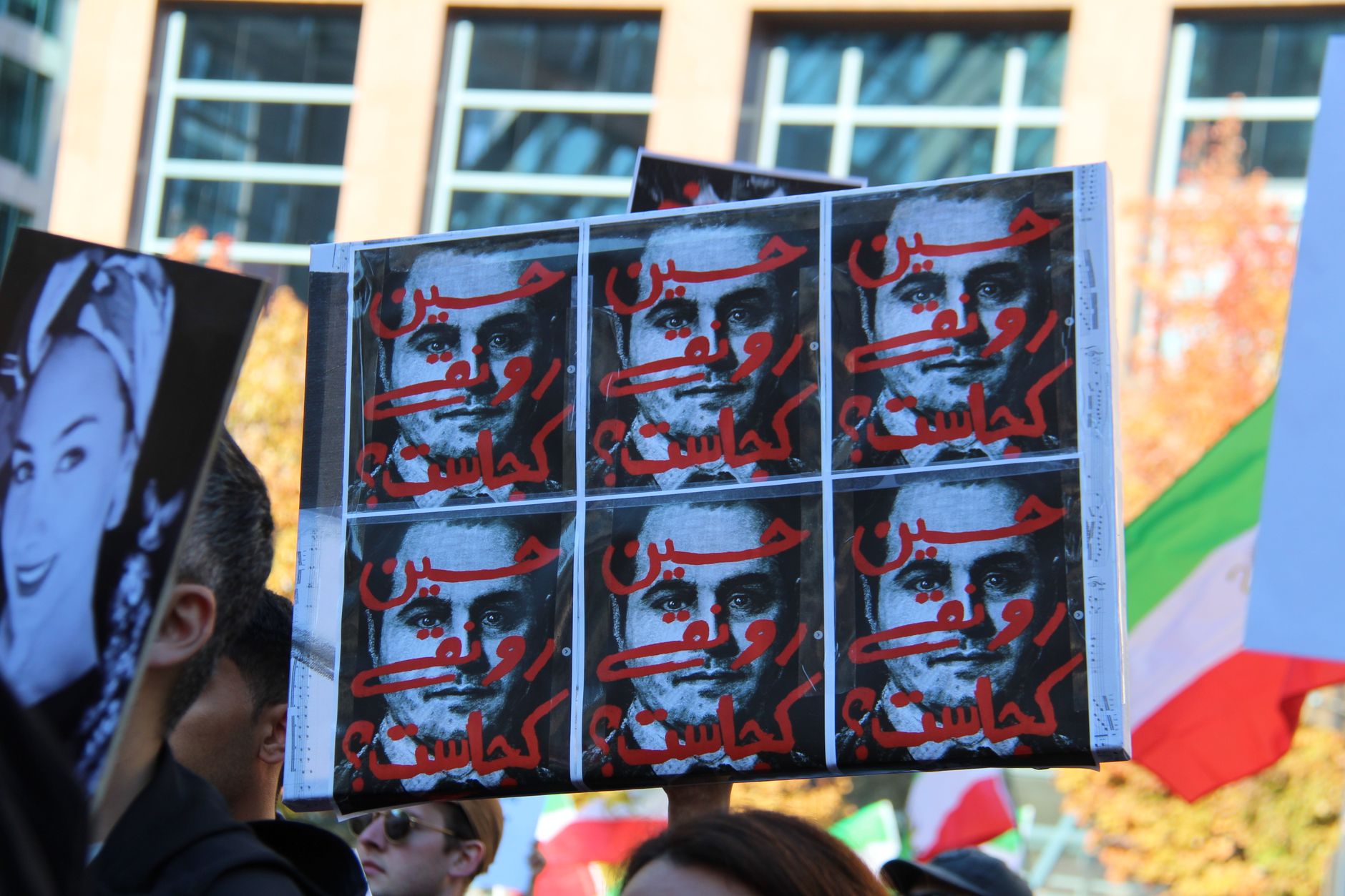
In recent protests, music has played a crucial role, amplifying the voices of those who demand reform. Songs of resistance are shared widely, often through clandestine channels, becoming anthems of hope and unity. The state's attempts to suppress or co-opt these expressions only highlight their potency.
This interplay between repression and artistic expression underscores a broader social dynamic within Iran. Music, largely sidelined in more traditional political analyses, provides an essential lens through which to view the nation's ongoing struggle for identity and freedom.
As the children of the revolution come of age, their music reflects a complex tapestry of influences. From traditional Persian rhythms to Western pop, these artists are not just performers but custodians of a cultural dialogue, one that continues to challenge the status quo.
In Iran, music remains a potent force, a testament to the enduring power of art to inspire and incite change.