Iran's Musical Battleground: Politics, Propaganda, and Protest
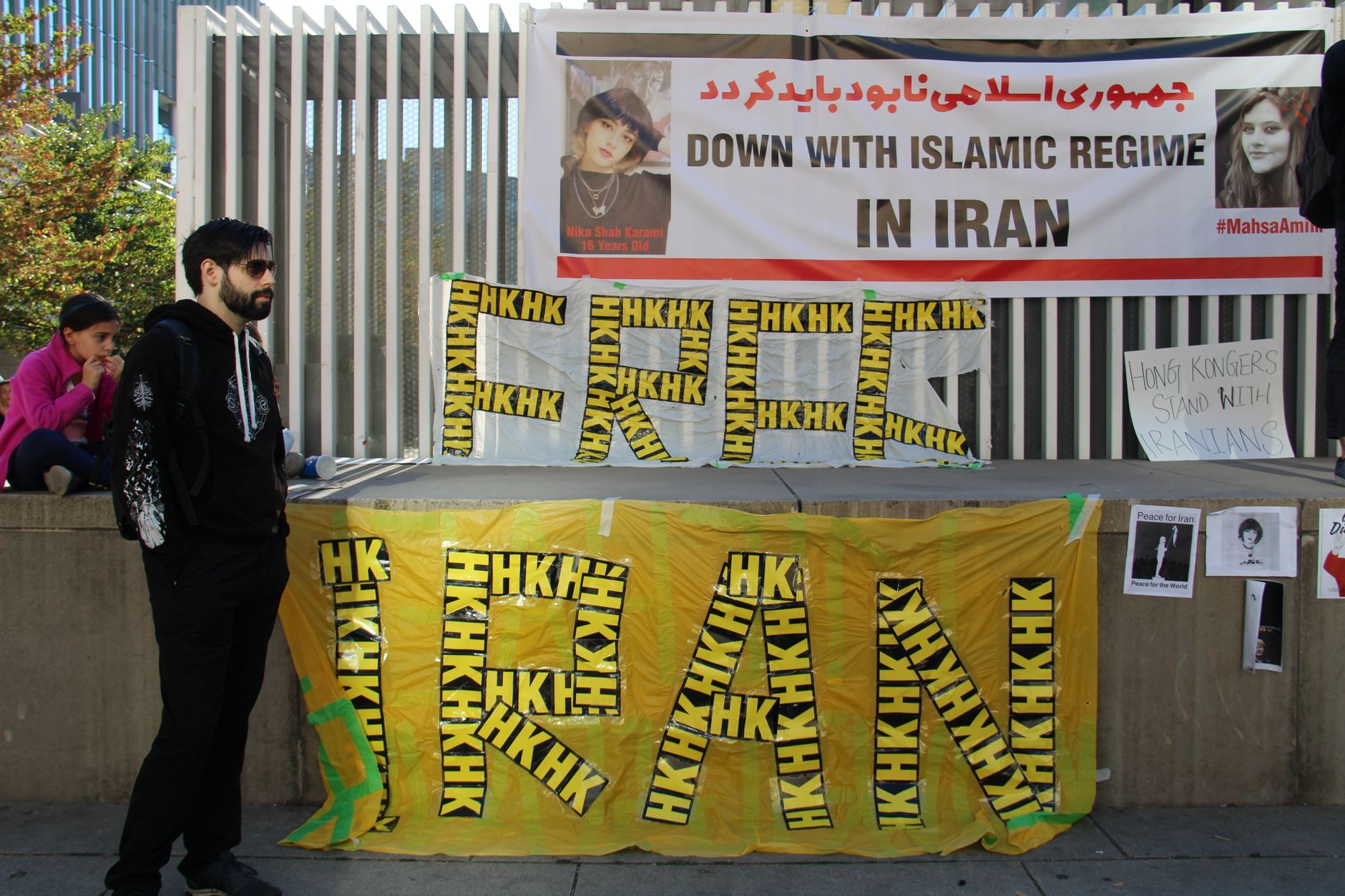
In a land where the notes of a melody have often been silenced by the heavy hand of authority, Iran's relationship with music is anything but harmonious. Since the 1979 Islamic Revolution, the regime has attempted to orchestrate music as a tool of political influence. Yet, the enduring power of music to inspire both resistance and conformity remains undiminished.
Initially, the revolutionaries deemed music as frivolous, even diabolical. Public performances and broadcasts were banned, thrusting musicians into the shadows. However, just like water finds its way through cracks, so did music seep back into Iranian society, often serving as a poignant backdrop to political and social discourse.
A Double-Edged Sword
The Iran-Iraq war marked a turning point. The state, realising the galvanising power of music, co-opted it for propaganda. Patriotic songs filled the airwaves, rallying support for the war effort. Yet, this same medium allowed dissenting voices to flourish, offering an outlet for those who dared to challenge the status quo.
Artists like Mohammad Reza Shajarian, whose music was once appropriated by the state, have become symbols of resistance. Their work underscores the dual nature of music in Iran: a powerful instrument for both oppression and liberation.
The Digital Age: A New Frontier
With the advent of the internet, traditional controls on music distribution have been upended. Iranian musicians now reach global audiences, often circumventing state censorship. Online platforms have become the new stage, offering a space for protest songs that echo the sentiments of the disenchanted youth.
As Iran faces ongoing protests, music plays an essential role. Songs penned in defiance of the regime's oppressive policies reverberate across social media, uniting individuals in a shared cry for change. This digital rebellion suggests that, while the regime may attempt to wield music as a tool of control, it remains a force for empowerment and resistance.
In Iran, music is not merely a form of entertainment; it is a battleground where cultural resilience and political struggle harmonise in a complex symphony of defiance.