Islamabad's Containers: A City Held Hostage by Politics
In the heart of Islamabad, where once the cacophony of daily life hummed uninterrupted, a new and uninvited guest has taken residence — shipping containers. These steel behemoths now line the capital's streets, serving as barriers in a government-led effort to curb political unrest. Dubbed 'Containerabad' by locals, this blockade is a response to the Pakistan Tehreek-e-Insaf (PTI) party's planned marches, following the imprisonment of its leader.
For nearly a month, over a thousand containers have transformed Islamabad into a fortress. More than 17,000 security personnel stand vigilant, a show of force intended to deter the PTI's defiant supporters. The city's landscape is punctuated by these metal giants, turning ordinarily bustling avenues into quiet, obstructed paths.
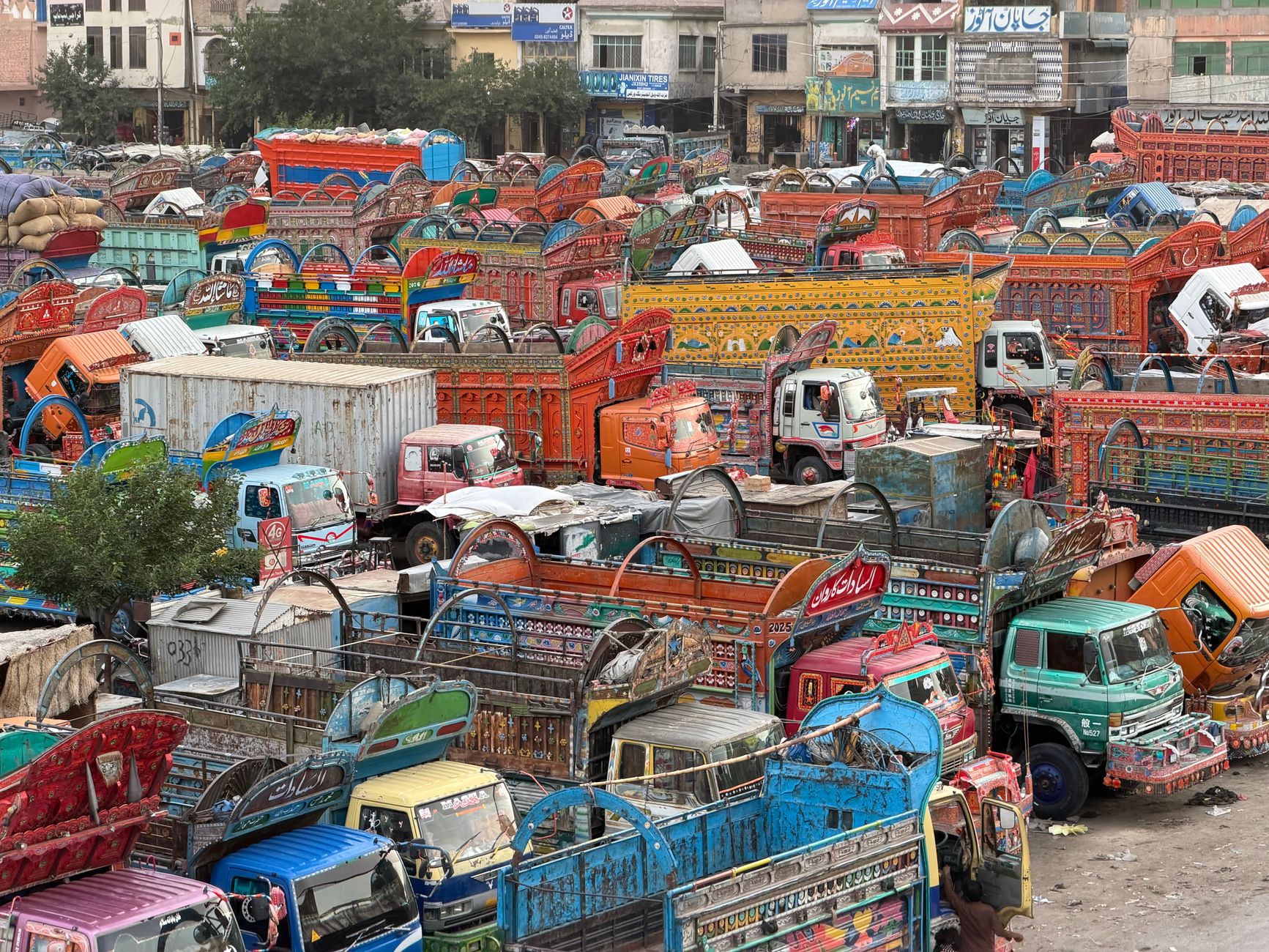
While the government asserts this is a necessary measure to maintain order, the economic ramifications are severe. Truckers, who rely on these routes to transport goods, are bleeding money. "It's a nightmare," laments one driver, who now finds his journeys prolonged and incomes dwindling. The blockade has choked supply lines, impacting not only the transport sector but the broader economy.
Political Tensions at the Fore
This is not merely a logistical challenge; it is a political statement. The PTI, a formidable force in Pakistani politics, poses a significant challenge to the current government. The container blockade is a symbol of the deepening political rift, a tangible manifestation of the lengths to which authorities will go to silence dissent.
Critics argue this approach undermines democratic principles. "It’s a draconian tactic," says a political analyst. "In trying to control the narrative, the government risks alienating the public and exacerbating tensions."
The Human Cost
Beyond the political chessboard, the human cost is palpable. Local businesses suffer as foot traffic dwindles. Residents navigate a city that feels increasingly like a prison. Yet, amidst the adversity, life continues. Children play atop the containers, unwittingly turning these symbols of division into playgrounds.
The situation in Islamabad is a microcosm of the broader challenges facing Pakistan, where security concerns often clash with the need for political expression and economic vitality. As the containers stand firm, so too does the question: what price will be paid for order?