Islamabad's Streets Choked by Container Barricades Amid Political Tensions
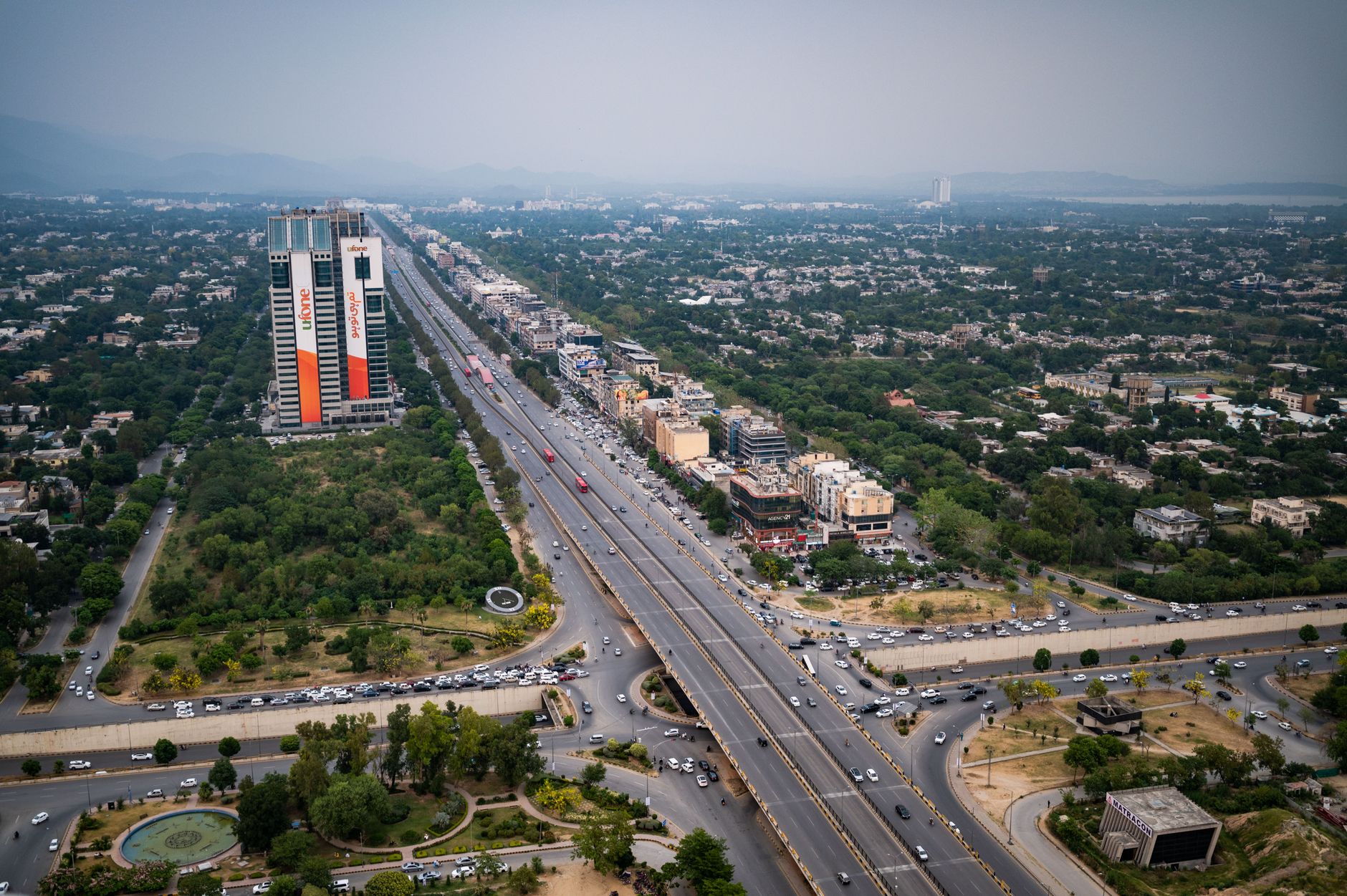
On a typical day, the streets of Islamabad are a bustling hub of activity. But recently, the capital has taken on a new moniker: 'Containerabad'. The Pakistani government, in an effort to pre-empt protests led by the Pakistan Tehreek-e-Insaf (PTI), has deployed over a thousand shipping containers across the city, effectively transforming the once-busy roads into a labyrinth of metal walls.
This unprecedented blockade is intended to thwart the PTI's march, following the arrest of its leader. The containers, stacked high and wide, serve as barricades, blocking access to key areas including the sensitive 'Red Zone'. Yet, this measure has brought its own set of issues. In the bid to maintain order, the authorities have inadvertently stifled commerce and daily life, as businesses dependent on the free movement of goods are suffering.
Economic Strain on Truckers
For the truckers, the situation is dire. Unable to navigate through the city, they find themselves haemorrhaging money. Many trucks, laden with perishable goods, remain stranded, their contents at risk of spoiling. This disruption has a cascading effect, impacting markets both within and outside the city. The blockage has also sparked a rise in transport costs, further burdening the already struggling economy.
"These containers are bleeding us dry," lamented one truck driver. His sentiment is echoed by many, who say they are caught in a political crossfire not of their making. The financial losses, they fear, could be crippling if the situation persists.
Security Versus Civil Liberty
The government has mobilised a security force of over 17,000 personnel to ensure that protests do not spiral out of control. However, the heavy-handed approach raises questions about civil liberties. Critics argue that while the intention to maintain peace is understandable, the execution has been excessive, infringing on the rights of citizens to free movement and assembly.
In the midst of this standoff, ordinary citizens find themselves grappling with the inconvenience of restricted movement. Public sentiment is divided, with some supporting the government's hard-line stance as a necessary evil, while others view it as an overreach of power.
As Islamabad remains in the grip of 'Containerabad', the city stands as a testament to the complex interplay between security and freedom, a reflection of the broader political tensions that continue to shape Pakistan's landscape.