Israel Faces Diplomatic Quandary as Saudi-Turkey-Pakistan Pact Unfolds
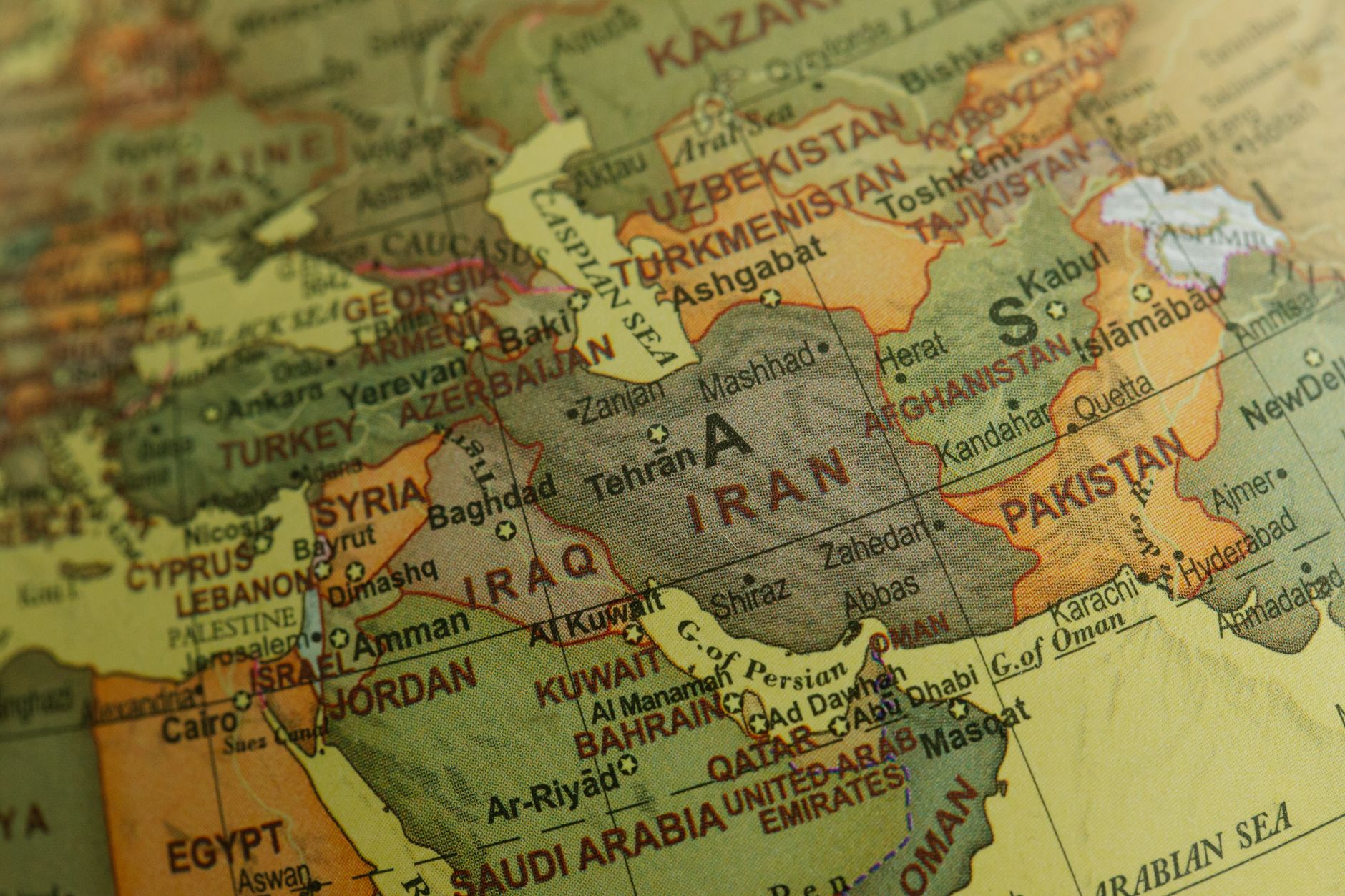
In a move that has sent ripples through the corridors of power in Jerusalem, Saudi Arabia, Turkiye, and Pakistan have announced a defence pact that could reshape regional alliances. As the ink dries on this new coalition, Israel's political landscape is bracing for impact, with Prime Minister Benjamin Netanyahu facing a fresh set of diplomatic challenges just as the nation gears up for elections.
The pact, dubbed the Mecca Joint Defence Agreement, is being viewed with suspicion and concern by many in Israel. Former Prime Minister Naftali Bennett, a vocal critic of Netanyahu, had previously warned of Turkiye's growing influence, likening it to 'the new Iran'. For Bennett's supporters, this development serves as a vindication of his earlier security predictions.
Political Implications Amidst Electoral Campaigns
With elections looming, Netanyahu's opponents are keen to leverage this situation to their advantage. The timing could not be more opportune for them, as they argue that Netanyahu's foreign policy has left Israel vulnerable to new regional threats. However, Netanyahu's camp remains tight-lipped, as neither his office nor the Israeli Ministry of Foreign Affairs has issued an official statement regarding the pact.
Analysts suggest that the agreement could have far-reaching implications for Israel's strategic options in Lebanon and Syria, areas where it has frequently acted to counter perceived threats. Yet, the real impact of this new alliance, which sits precariously between Israel and Iran, is still unfolding.
A New Axis of Influence?
While the pact is seen as a significant shift, Iranian officials have been quick to downplay its potential. Iranian MP Ebrahim Rezaei dismissed the agreement as a 'paper tiger', unlikely to provide the security that Saudi Arabia seeks. Instead, he urged a reconsideration of regional policies, hinting that reliance on external alliances might not yield the desired safety.
As the political rhetoric heats up, the Israeli electorate is watching closely. Whether this development will sway votes or merely serve as a talking point in an already charged campaign remains uncertain. For now, Israel must navigate this new diplomatic terrain with caution, weighing its options in an increasingly complex Middle East.