Israel's Intrusion into Palestinian Education: A Widening Rift
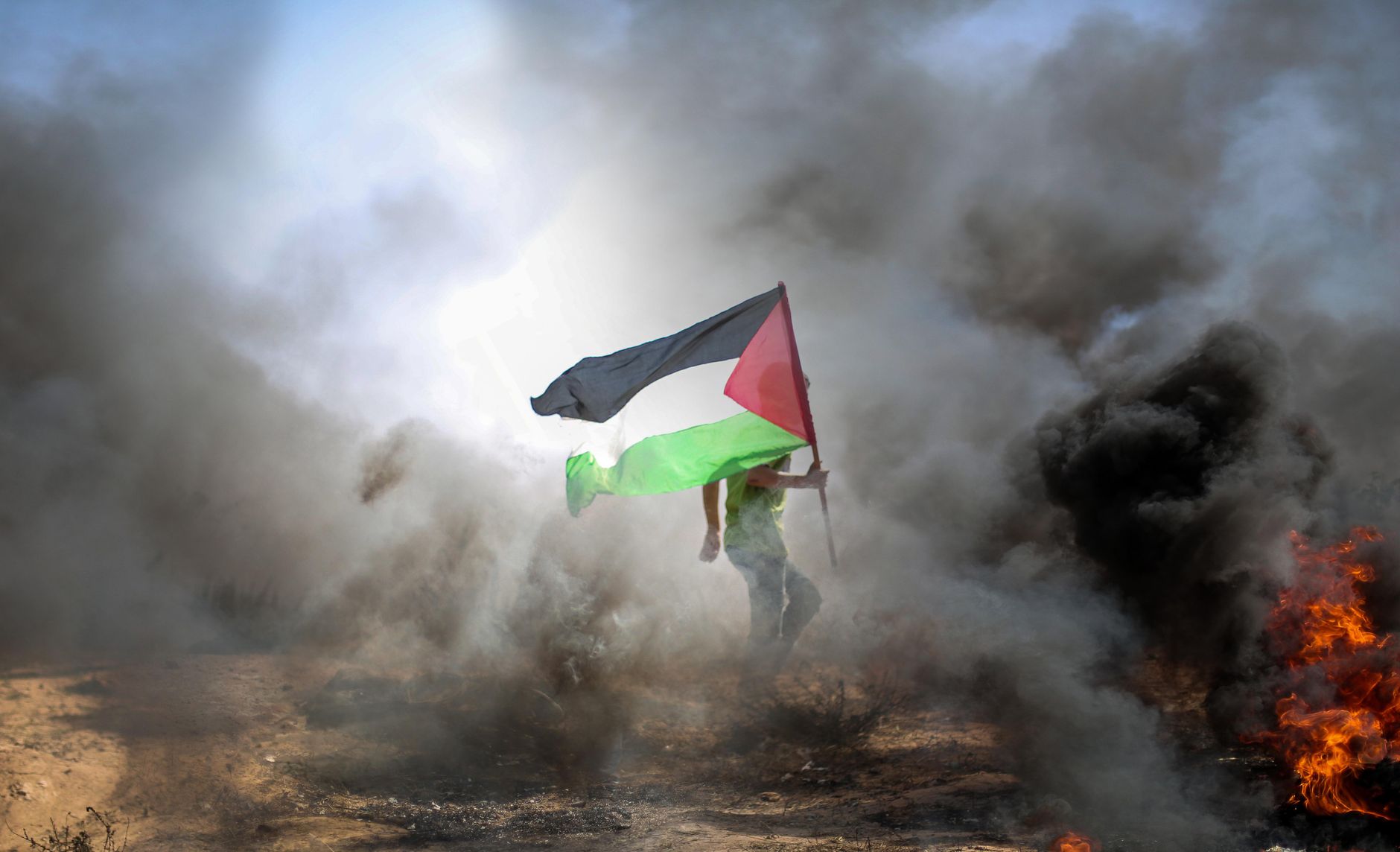
In the occupied territories of the West Bank and Gaza, the classrooms have become an unlikely battleground. The Israeli government's influence on Palestinian education is a contentious issue, drawing sharp criticism from international quarters. As students return for a new term, the underlying tensions between security measures and educational freedom are more evident than ever.
Israeli authorities have been accused of interfering with the Palestinian curriculum, particularly in subjects like history and social studies. Critics argue that these actions aim to reshape Palestinian narratives to align more closely with Israeli perspectives, effectively rewriting history in the classroom. The United Nations has voiced its concern, citing the profound impact this might have on young Palestinians' understanding of their identity and heritage.
The Wider Implications
The interference extends beyond the content of textbooks. Reports suggest that schools in these regions face closures, delays, and even demolitions, under the guise of lacking proper permits. This systemic disruption is seen by many as an effort to destabilise the foundational fabric of Palestinian society. Education, a tool for empowerment, is being wielded instead as an instrument of control.
In East Jerusalem, where the conflict is most palpable, the situation is particularly dire. Here, the Israeli government's policies are viewed as part of a broader strategy to dilute Palestinian presence and influence. The international community, including several human rights organisations, continues to condemn these actions, urging for educational autonomy and respect for Palestinian rights.
Looking Ahead
The question of what Palestinian children learn in schools is not just an educational concern but a deeply political one. As the Israeli-Palestinian conflict persists, the classroom remains a pivotal arena for cultural and ideological struggle. For now, the hope is that diplomatic efforts might pave the way for a more balanced and fair educational system, one that respects the rights and identities of all involved.