Japan Challenges UN World Map Over Russian Territory Dispute
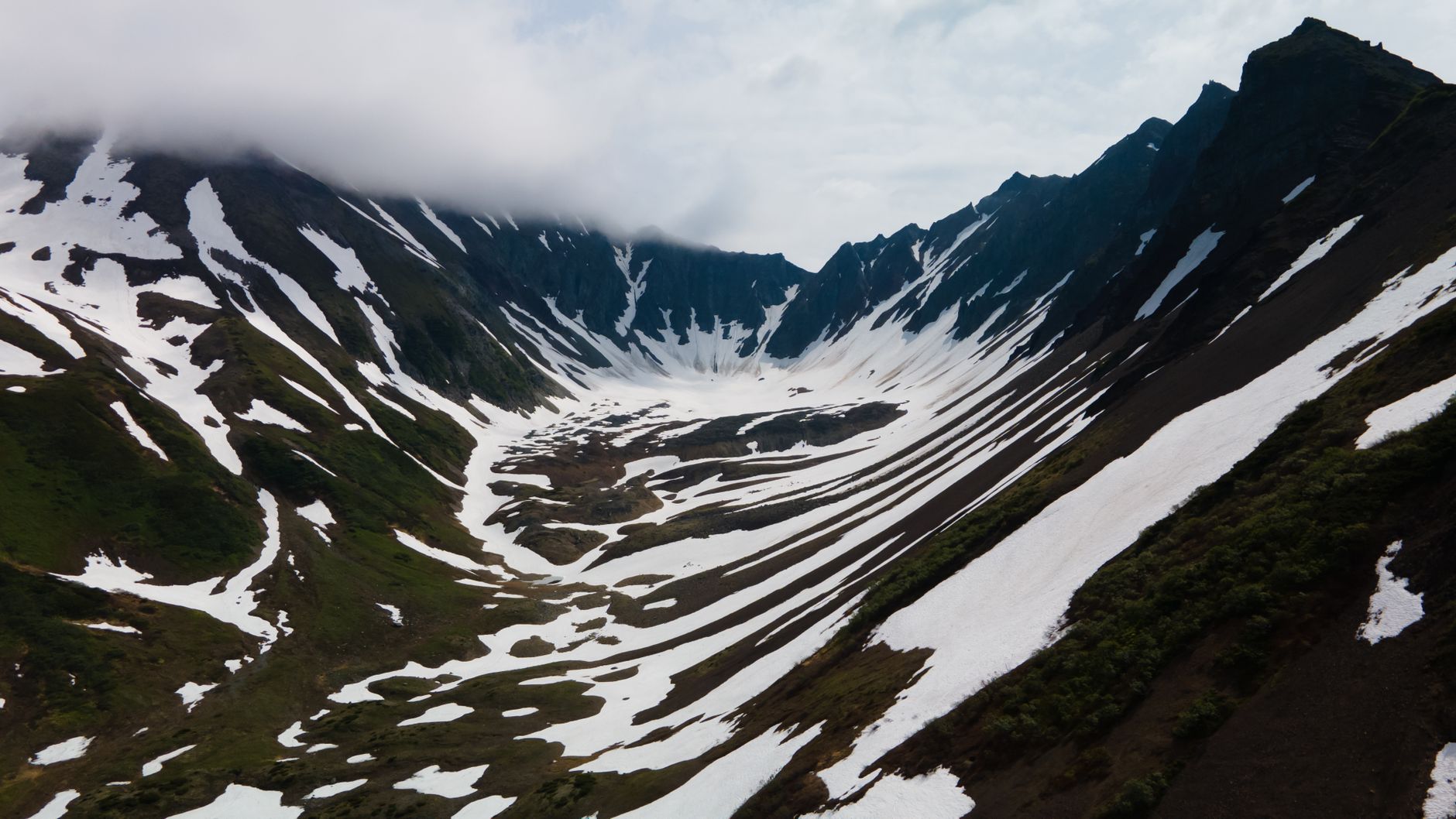
In a move that adds yet another layer to the complex tapestry of international cartographic disputes, Japan has formally requested changes to the newly adopted United Nations world map. The bone of contention lies in the portrayal of the Kuril Islands, a chain of islands stretching between Japan and Russia, which the Japanese government insists are erroneously coloured the same as Russian territory.
Minoru Kihara, Japan's chief cabinet secretary, has expressed concerns that the map could lead to a dangerous misconception about the ownership of these islands, known in Japan as the Northern Territories. 'It is imperative that maps accurately reflect territorial boundaries to avoid misunderstandings,' Kihara asserted.
The Kuril Islands have been a longstanding point of contention between Japan and Russia since the end of World War II. Despite this, the UN General Assembly voted overwhelmingly to adopt the new map, which not only features this disputed depiction but also adjusts the sizes of continents, notably enlarging Africa while shrinking North America and Europe. The latter changes have already drawn the ire of the United States.
For Japan, however, the primary issue remains the geopolitical implications of the map's design. The islands in question were seized by Soviet forces in the final days of World War II and have been administered by Russia ever since. Japan's claim to these territories has been a recurrent theme in its post-war diplomacy, and any suggestion to the contrary is met with staunch resistance.
While the map's broader design aims to challenge traditional Eurocentric perspectives by offering a more proportionate view of the world, it appears that the attempt to bring a new perspective has unintentionally rekindled historical tensions. The UN has yet to respond to Japan's request for alterations, leaving the matter unresolved.
As the world grapples with this latest cartographic controversy, the implications for international diplomacy cannot be overstated. Maps, after all, are more than mere representations of geography; they are powerful symbols of sovereignty and identity.