Japan Confronts Unprecedented Security Challenges, Warns Kishida
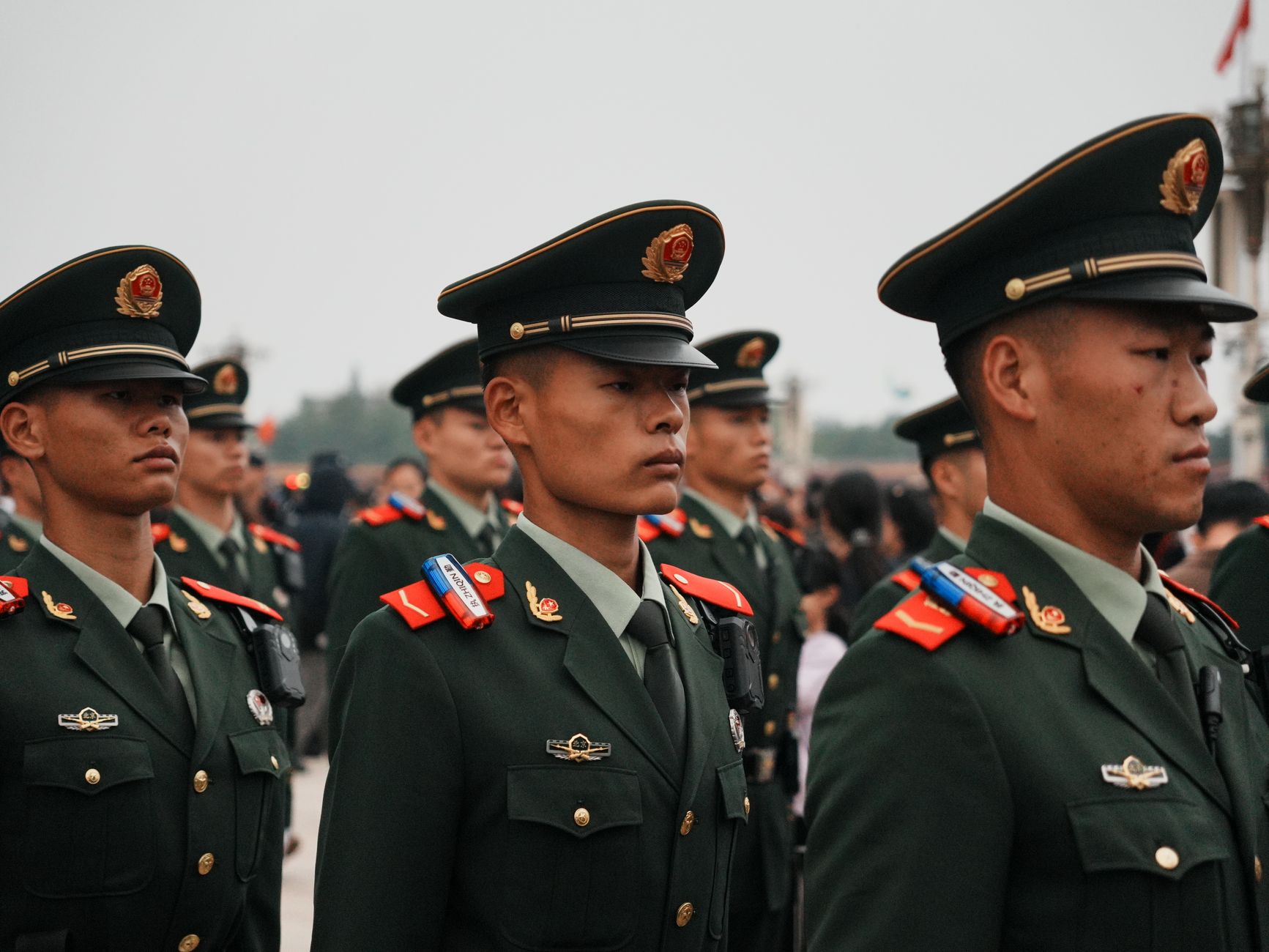
In a stark appraisal of Japan's security, former Prime Minister Fumio Kishida has sounded the alarm on what he describes as the most perilous environment since the end of the Second World War. Speaking to The Hindu, Kishida underscored the need for an assertive military build-up, citing the growing threats posed by neighbouring powers.
Japan's security concerns are not without merit. The relentless military advances of China and North Korea have prompted a re-evaluation of Japan's defence posture. Kishida's comments reflect a growing consensus in Tokyo that the nation must bolster its military capabilities to counter potential threats.
The New Security Strategy
Under Kishida's leadership, Japan adopted a new security strategy aimed at reinforcing its defence mechanisms. This approach, he noted, is grounded in a 'realistic simulation' of regional threats, which includes the aggressive military posturing of China and North Korea. The strategy also seeks to address the declining birth rate, which poses a long-term challenge to national security by potentially reducing the future pool of military personnel.
Japan's demographic challenges are well-documented. With one of the world's lowest birth rates, the country faces an ageing population that could strain its military and economic resources. Kishida's emphasis on demographic issues highlights the multifaceted nature of Japan's security concerns.
Regional Tensions
The geopolitical landscape of East Asia is fraught with tension. China's territorial ambitions in the South China Sea and its assertive stance towards Taiwan have raised alarm bells in Japan. Meanwhile, North Korea's nuclear ambitions and missile tests add another layer of complexity to the security dynamic.
Kishida's call for a robust defence strategy is not just about military might. It is also about ensuring stability and peace in a region where power dynamics are rapidly shifting. His remarks serve as a reminder of the delicate balance Japan must maintain in its foreign policy.
As Japan navigates these turbulent waters, the stakes are undeniably high. Kishida's insights offer a sobering reminder of the challenges that lie ahead, both for Japan and the broader international community.