Japan's Robotic Companions: AI Innovations Bring Comfort and Style
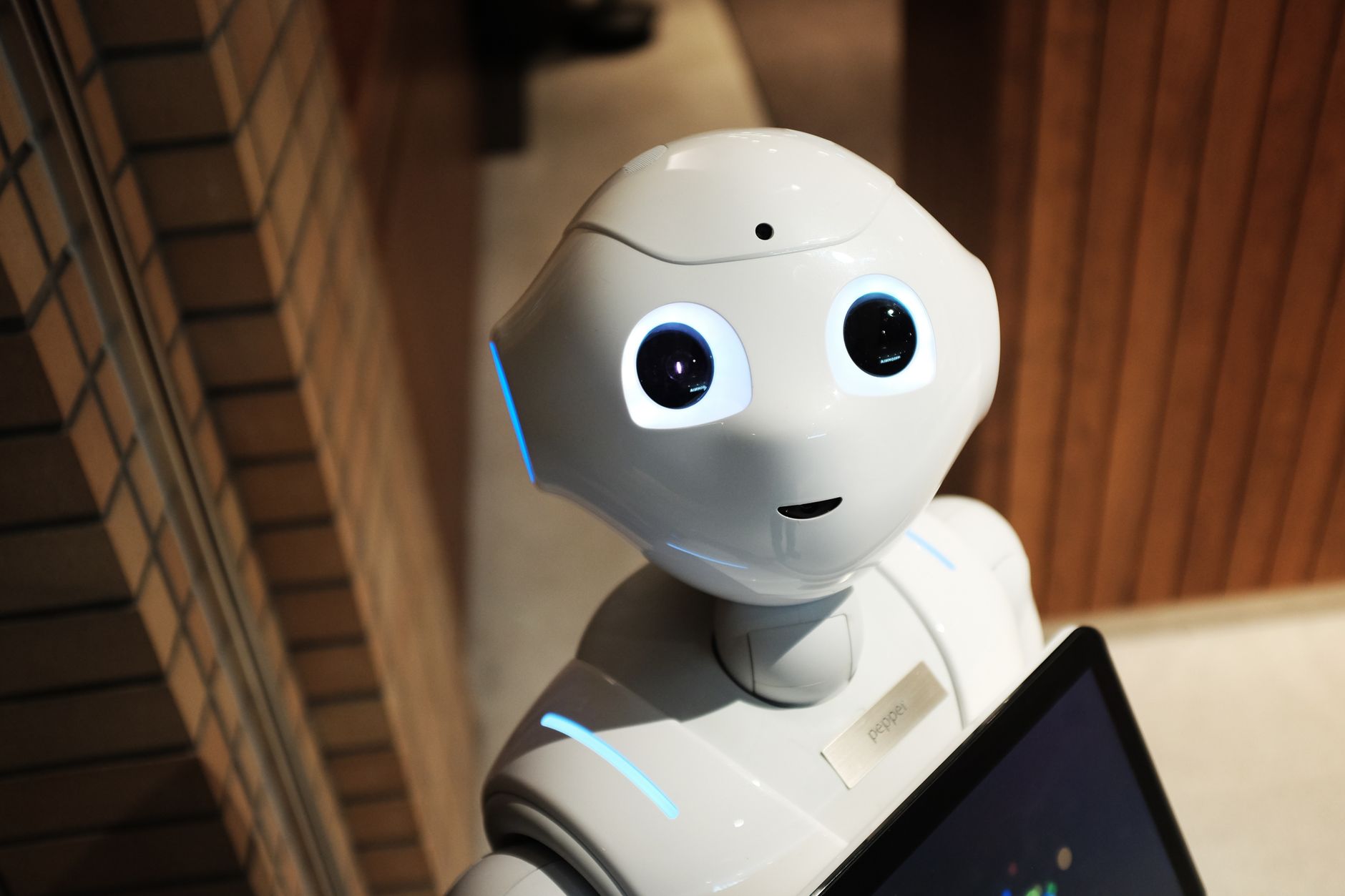
On a chilly morning in Osaka, a small, round-eyed robot named Aibo scuttles across the floor, wagging its mechanical tail with an uncanny resemblance to a real puppy. Its purpose? To bring joy to those who might otherwise live in solitude. This is just one example of how Japan is pushing the boundaries of artificial intelligence, crafting robots that are more than just machines.
The Japanese have long had a fascination with robots, often depicted in anime and pop culture as companions rather than mere tools. Now, with the integration of AI, these robots are taking on roles that blur the lines between technology and emotion. Aibo, for instance, is equipped with sensors and cameras that allow it to recognise faces and respond to a human's touch with a gentle nuzzle, offering a semblance of companionship for the lonely or elderly.
Beyond companionship, these AI-driven marvels are stepping into the realm of fashion. Robots like Lovot, with its plush exterior and endearing demeanour, are becoming status symbols. Not only do they provide emotional support, but they also serve as conversation starters, making them a hit at social gatherings. Their design is sleek, their functionality sophisticated, and their impact on Japanese society significant.
AI's Expanding Role
Artificial intelligence is at the heart of this robotic revolution. It enables these machines to learn from interactions, adapting their behaviour to better suit their owners' needs. This adaptability is crucial in a nation that values harmony and personalisation. Moreover, the use of AI is not just a technical achievement; it is a cultural statement. It symbolises Japan's forward-thinking approach and its seamless integration of tradition with modernity.
While the West often debates the ethical implications of AI, Japan embraces it with a blend of caution and enthusiasm. The Japanese government's support for robotics research has propelled these innovations, and the market is responding with fervour. As the demographic landscape shifts, with a growing elderly population and declining birth rates, these robots are seen as potential aides in healthcare and household management.
A Glimpse into the Future
As AI technology continues to evolve, the potential for these robots seems limitless. From providing entertainment and companionship to assisting with daily tasks, they are poised to become integral parts of Japanese households. Whether as a comforting presence or a cutting-edge accessory, these robots reflect the country's unique ability to blend tradition with technology.
In a world where human interaction is increasingly mediated by screens, Japan's robots offer a reminder of the warmth that can emanate from even the most unexpected sources. As they buzz, beep, and cuddle their way into homes, Japan's robotic companions are setting a precedent for the future of AI-driven interaction.