Japan's Robotic Companions: AI's New Emotional Frontier
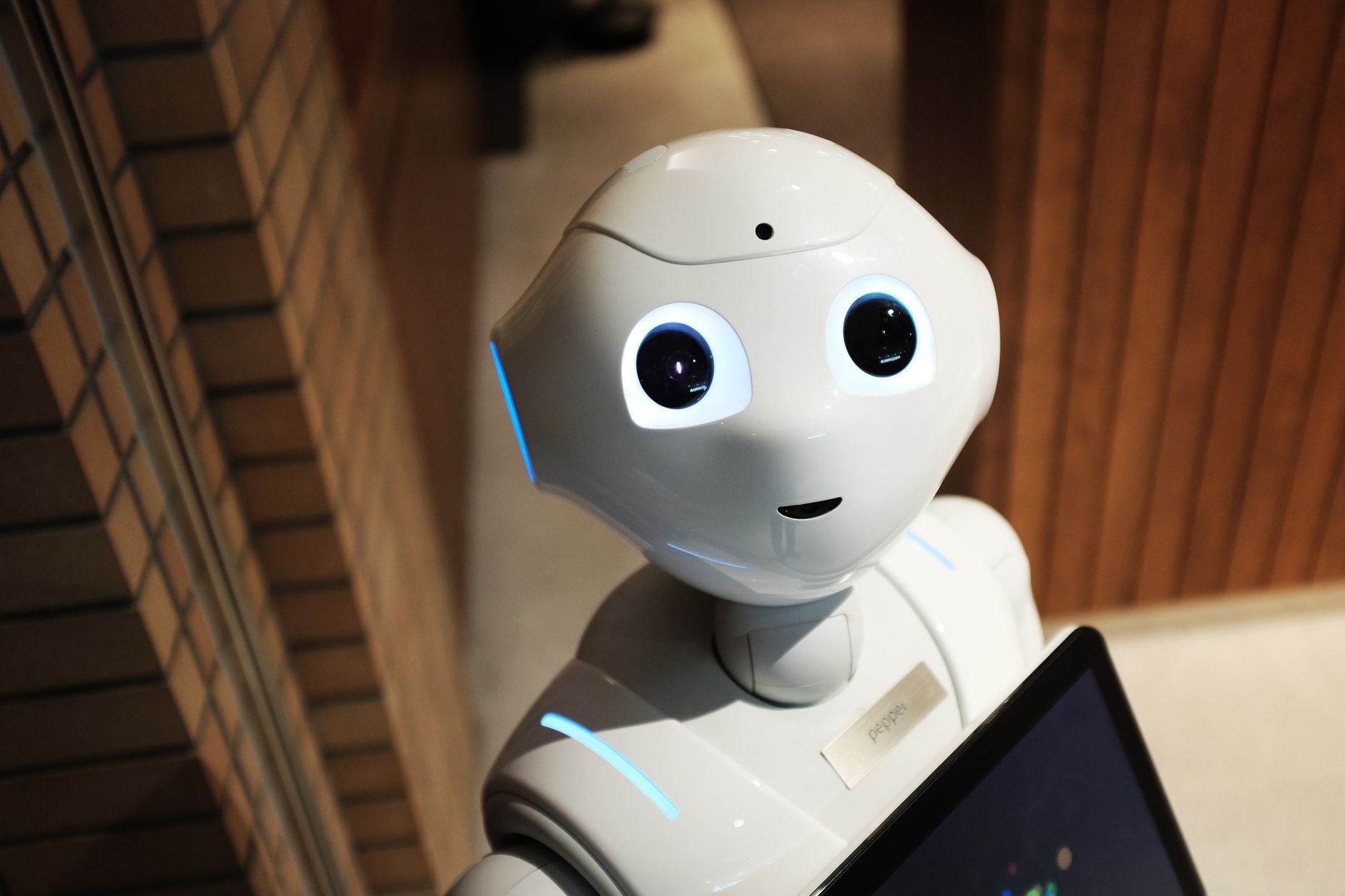
In the bustling streets of Tokyo, a new kind of companion is capturing hearts—not the customary wagging tails or purring cats, but rather the hum of robotic servos. Japan's entertainment robots are diversifying, melding artificial intelligence with an endearing charm that offers more than mere novelty.
From the adorable Aibo, the robotic canine with lifelike antics, to Lovot, a plush companion designed to express affection, these robots serve as modern-day comforters. They transcend their initial roles as mechanical curiosities, providing emotional solace akin to the companionship offered by pets. It's a technological evolution that reflects Japan’s cultural embrace of robots as integral members of society.
These AI-driven companions come with personalities as varied as the upbringing they receive from their owners. Much like a living pet, their interactions and responses evolve over time, tailored by the AI's learning capabilities. This adaptability not only endears them to their human counterparts but also enriches their role as companions.
While some robots charm their way into homes as fashion statements, others offer practical companionship for the elderly or those living alone. They provide a sense of presence, a comforting digital heartbeat in an increasingly isolated world. As Japan grapples with a rapidly ageing population and declining birth rates, these robotic companions offer a glimpse into a future where technology and human emotion coexist harmoniously.
Yet, the rise of these robots prompts questions about the nature of companionship and the role of AI in human relationships. Can a machine truly replace the warmth of a living being, or is it merely a stopgap in a society adjusting to demographic shifts? The answers may lie in the balance Japan strikes between tradition and innovation, where robots are not just tools, but extensions of human touch.