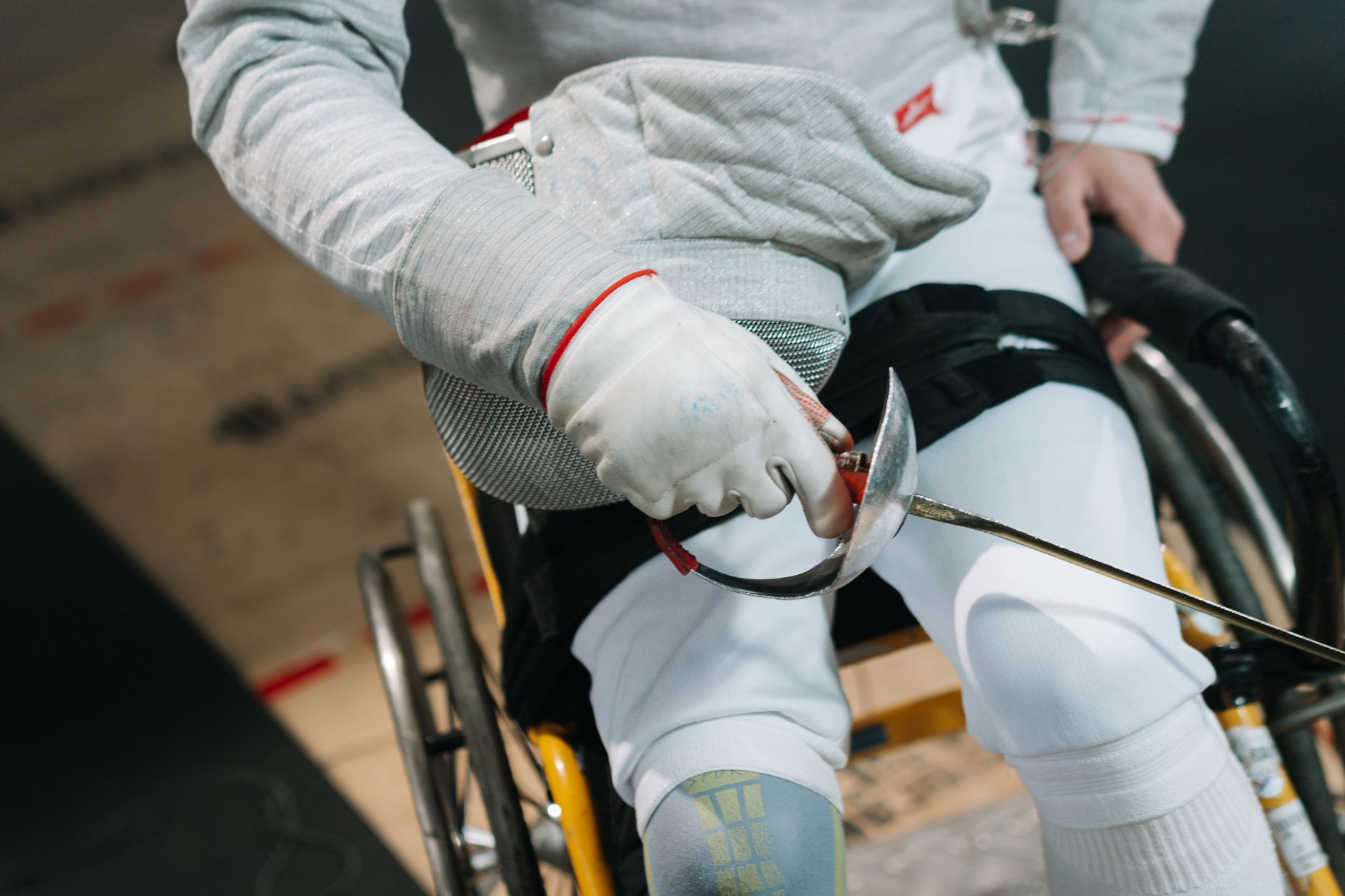
J&K Harnesses Sports to Combat Rising Drug Abuse

In the picturesque valleys of Jammu and Kashmir, a new kind of revolution is quietly taking place. The state government has embarked on an ambitious mission to engage its youth in sports, in a determined attempt to tackle the growing scourge of drug abuse. This is not just an effort to foster athletic talent but a strategic initiative to redirect the energies of young people towards healthier pursuits.
Recent statistics paint a grim picture: nearly six lakh residents in the region are grappling with drug addiction. The administration’s strategy is simple yet profound: if young people are given opportunities to excel in sports, they are less likely to fall prey to substance abuse. Sport, after all, is not just a physical activity; it is a powerful medium for instilling discipline, teamwork, and a sense of purpose.
Redirecting Youthful Energy
Under the banner of the NashaMukt Jammu Kashmir Abhiyan, the government is promoting various sporting events and facilities. These initiatives aim to create an environment where the youth can thrive, both physically and mentally. The idea is to build resilience and self-esteem among young individuals, making them less susceptible to the lure of drugs.
In the words of a local sports coordinator, "We are not just building athletes; we are building a community. A community that stands strong against the tide of substance abuse." The government has already seen encouraging participation levels and hopes to expand its reach further.
A Broader National Context
This move is part of a broader national trend. Recently, the Central Bureau of Narcotics in collaboration with Brahma Kumaris signed an MoU to promote drug awareness across India. The initiative underscores a collective recognition of the urgent need to address drug abuse, particularly among the youth.
While challenges remain, particularly in terms of resources and infrastructure, the commitment to change is palpable. The government’s focus on sports as a preventive measure against drug abuse is seen as a model that could well be replicated in other regions facing similar challenges.
Ultimately, the success of this initiative will depend on sustained efforts and community involvement. But for now, the fields and courts of Jammu and Kashmir echo with the sounds of youthful enthusiasm, signalling a hopeful future.