
Kagan and Soai: Masters of Molecular Symphony in Chemistry
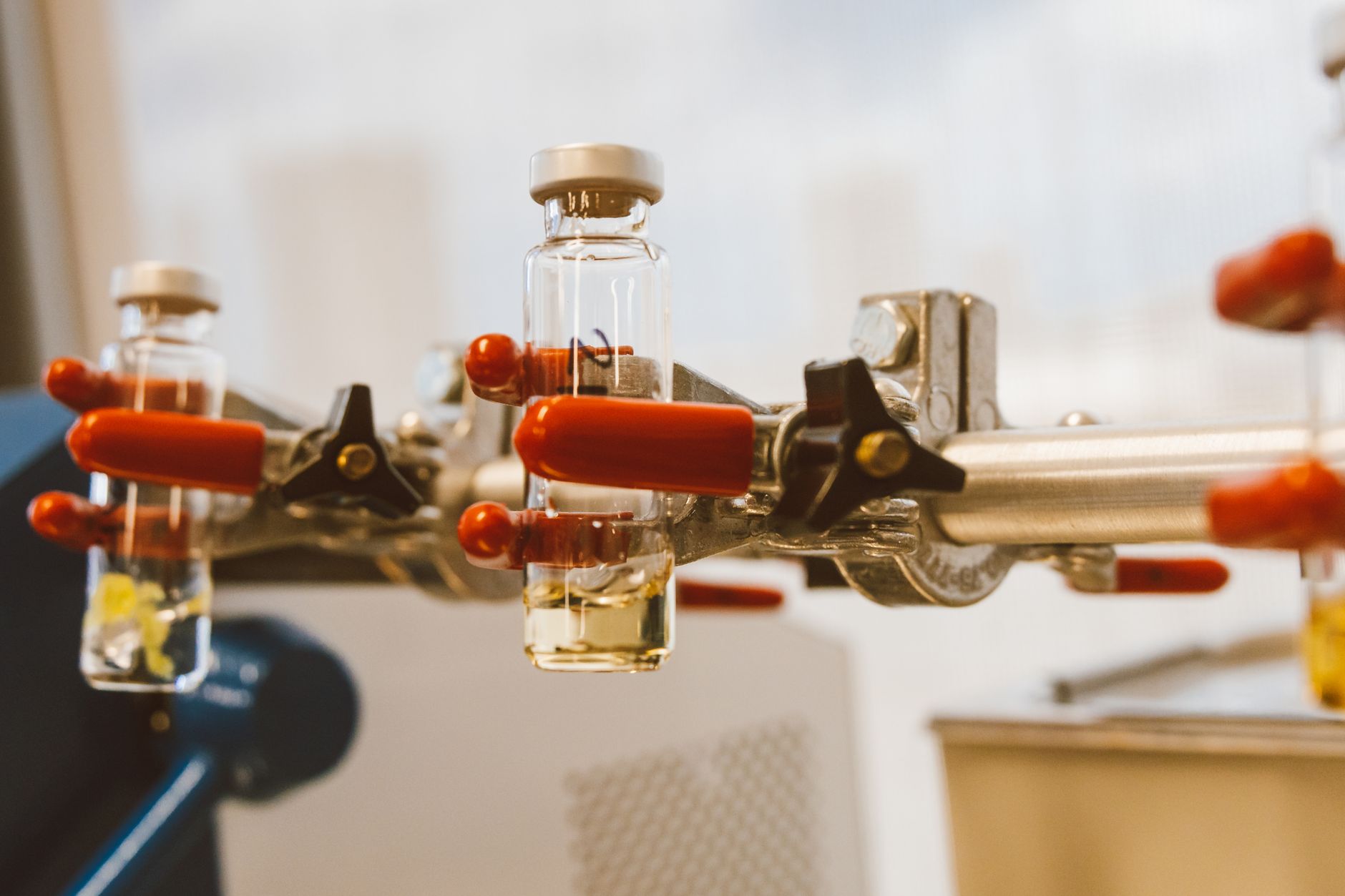
The Nobel Prize in Chemistry for 2026 has been awarded to Henri Kagan and Kenso Soai, a duo whose work has profoundly shaped our understanding of molecular symmetry. Announced by the Royal Swedish Academy of Sciences, this accolade recognises their pioneering research into non-linear effects and autocatalysis in asymmetric organic synthesis.
Henri Kagan, hailing from Université Paris-Sud in France, and Kenso Soai of Tokyo University of Science, have long been considered titans in the field. Their collaborative efforts have unravelled the intricate dance of molecules, offering insights into the fundamental geometry underpinning chemical reactions. Kagan's initial explorations laid the groundwork for Soai's 1995 groundbreaking publication, which introduced the first chemical reaction capable of homochirality.
A Milestone in Chemistry
Their discovery is more than just a scientific triumph; it represents a significant milestone in the realm of chemistry, with potential implications for fields as varied as pharmacology and materials science. The non-linear effects they identified have opened new vistas in the synthesis of complex organic compounds, while their work on autocatalysis has provided a deeper comprehension of how certain reactions can amplify themselves, a concept that was once confined to theoretical discussions.
The importance of their research lies not only in its scientific merit but also in its practical applications. By enabling more efficient synthesis of chiral molecules, Kagan and Soai's work holds promise for the development of new pharmaceuticals with fewer side effects, owing to their enhanced purity and specificity.
A Legacy of Innovation
This Nobel recognition is a testament to the enduring impact of Kagan and Soai's research. It highlights the importance of international collaboration, as their cross-continental partnership has bridged gaps and fostered innovation. With the award, they join the ranks of chemistry's elite, their work poised to inspire the next generation of scientists eager to explore the mysteries of molecular interactions.
As the spotlight shines on these two distinguished scientists, the broader scientific community celebrates a victory for curiosity-driven research. The simplicity of their findings belies the complexity of the challenges they have overcome, making this award a fitting tribute to their relentless pursuit of knowledge.


