
Kagan and Soai Solve Century-Old Chemical Puzzle
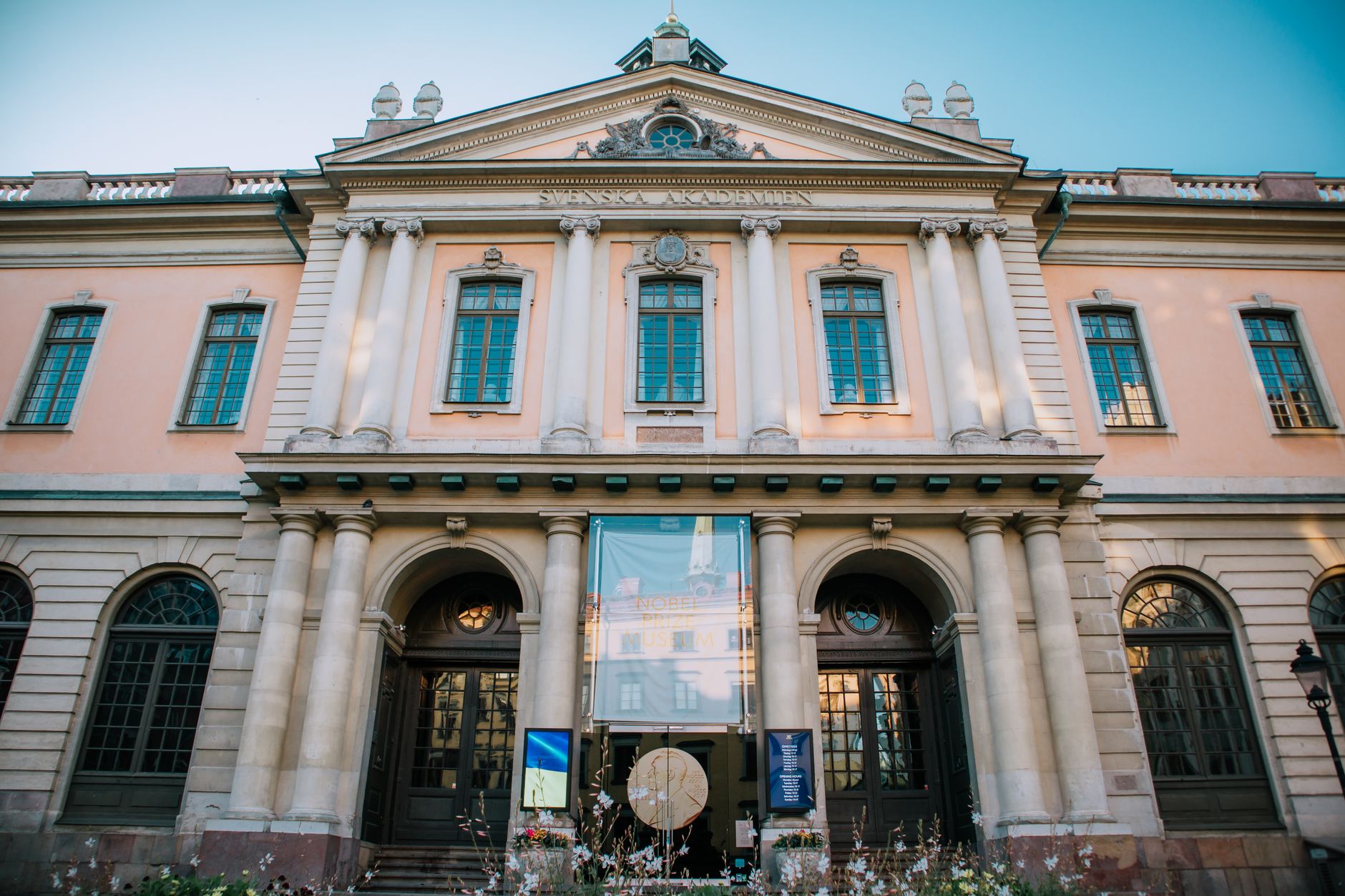
In a significant moment for the scientific community, Henri Kagan and Kenso Soai have been awarded the 2026 Nobel Prize in Chemistry. Their pioneering work has unravelled a chemical conundrum that has perplexed scientists for over a century: the spontaneous emergence of homochirality.
Homochirality refers to the preference of life for molecules of a particular handedness, a phenomenon observed in biological systems. The mystery of how such uniformity arises from inherently symmetrical conditions has long eluded chemists. Kagan and Soai's research offers a groundbreaking explanation through their discovery of non-linear effects and autocatalysis in asymmetric organic synthesis.
Henri Kagan, a professor at Université Paris-Sud, and Kenso Soai of Tokyo University of Science have not only provided theoretical insights but have also designed chemical reactions where one of the potential mirror images is predominantly formed. This breakthrough has profound implications for the field of synthetic chemistry, potentially transforming the way pharmaceuticals and complex organic compounds are developed.
The Journey to Discovery
Their journey began with the exploration of fundamental molecular geometry. Both laureates have dedicated their careers to understanding the nuanced behaviour of molecules. Kagan's early work laid the groundwork for understanding chiral catalysis, while Soai's experiments demonstrated practical applications of these principles.
Their collaborative efforts have culminated in a body of work that not only resolves a historical scientific puzzle but also opens new avenues for research and application. As Heiner Linke, chair of the Nobel Committee for Chemistry, remarked, the reactions they have developed are nothing short of spectacular.
Implications for Future Research
The implications of their discovery extend beyond academic curiosity. By allowing chemists to control the chirality of molecules more precisely, Kagan and Soai's work could lead to more efficient drug synthesis. This has the potential to reduce costs and enhance the effectiveness of pharmaceutical compounds, offering significant benefits to society.
This Nobel Prize not only recognises their remarkable achievement but also highlights the importance of fundamental research in solving complex scientific challenges. As the laureates prepare to receive their awards in Stockholm, the scientific world celebrates a major advancement in our understanding of the natural world.


