
Kagan and Soai's Breakthrough Chemistry Wins Nobel Honours
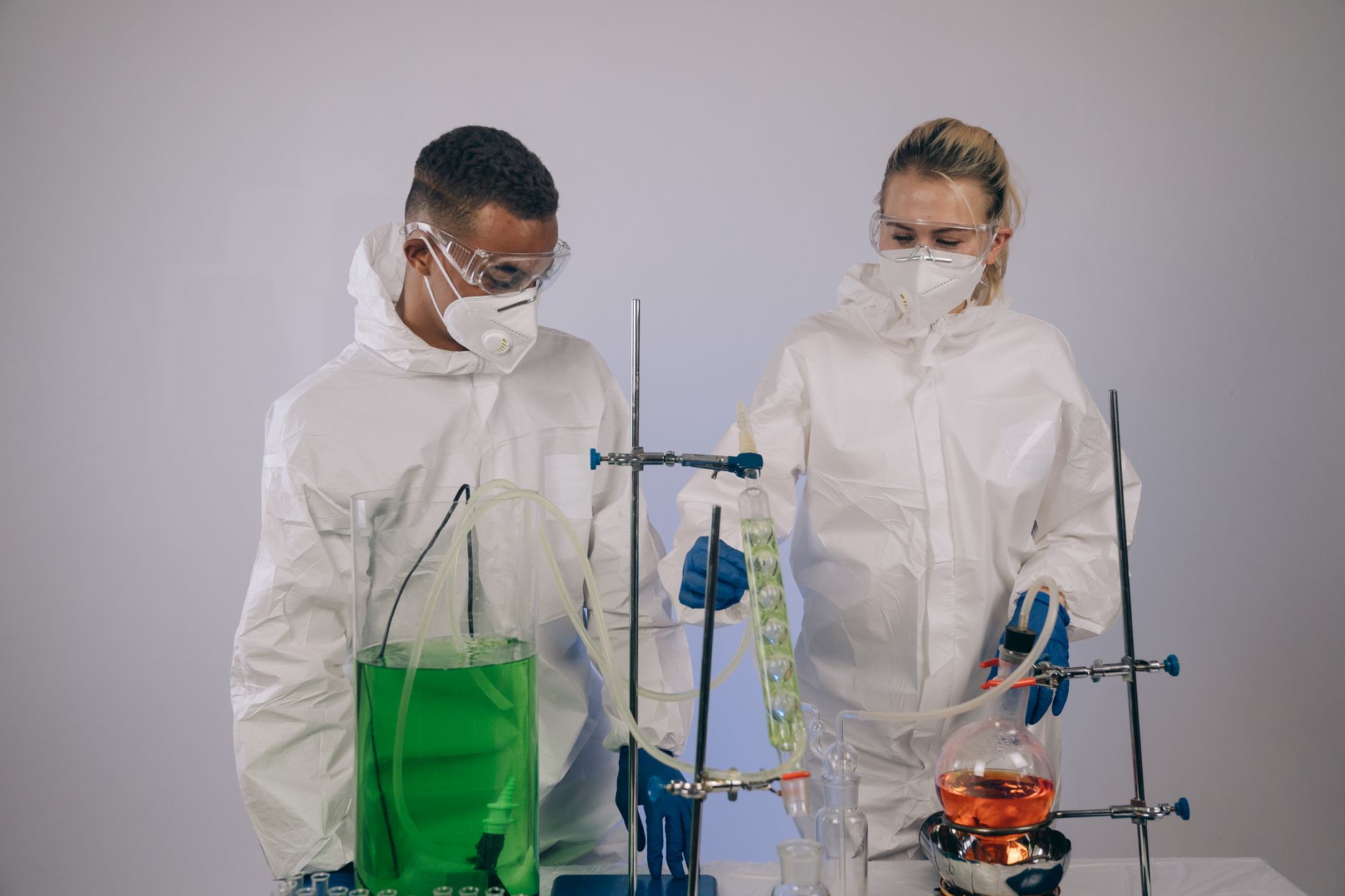
In a ceremony marked by tradition and scientific excellence, the 2026 Nobel Prize in Chemistry has been awarded to Henri Kagan and Kenso Soai. These two eminent scientists have been recognised for their groundbreaking contributions to the field of asymmetric organic synthesis, specifically their discovery of non-linear effects and autocatalysis.
The announcement, made at the Royal Swedish Academy of Sciences in Stockholm, captured the attention of the global scientific community. "The chemical reactions they have developed are spectacular," commented Heiner Linke, chair of the Nobel Committee for Chemistry. Such reactions have opened up new avenues in the manipulation of chemical processes, offering potential breakthroughs in pharmaceuticals, materials science, and beyond.
The Science Behind the Honour
Henri Kagan, a veteran in the field, first explored the realms of catalytic chemistry in the early 1980s. His pioneering work on chiral catalysts laid the groundwork for what would become a pivotal moment in chemistry. Kenso Soai's subsequent research expanded on these foundations, with the duo's combined efforts leading to the discovery of non-linear effects in chemical reactions. This discovery not only enhances our understanding of chemical reactivity but also introduces a new paradigm for developing efficient synthetic methods.
Autocatalysis, a process where a reaction product acts as a catalyst for that reaction, further exemplifies their innovative approach. This concept, when applied to asymmetric synthesis, allows for the production of specific chiral molecules with high precision, an essential advancement for creating pharmaceuticals that are both effective and safe.
Implications for the Future
The ramifications of Kagan and Soai's research are profound. By enabling the synthesis of complex organic compounds with greater ease and accuracy, their work paves the way for new drug discoveries and the development of novel materials. The prize not only celebrates their past achievements but also anticipates future innovations that could reshape industries reliant on chemical synthesis.
As the scientific community continues to digest the implications of this Nobel-winning work, the potential for Kagan and Soai's discoveries to inspire further research remains boundless. Their contributions highlight the enduring importance of fundamental research in pushing the boundaries of what is scientifically possible.


