Kagan and Soai's Catalysts Secure Chemistry's Top Honour
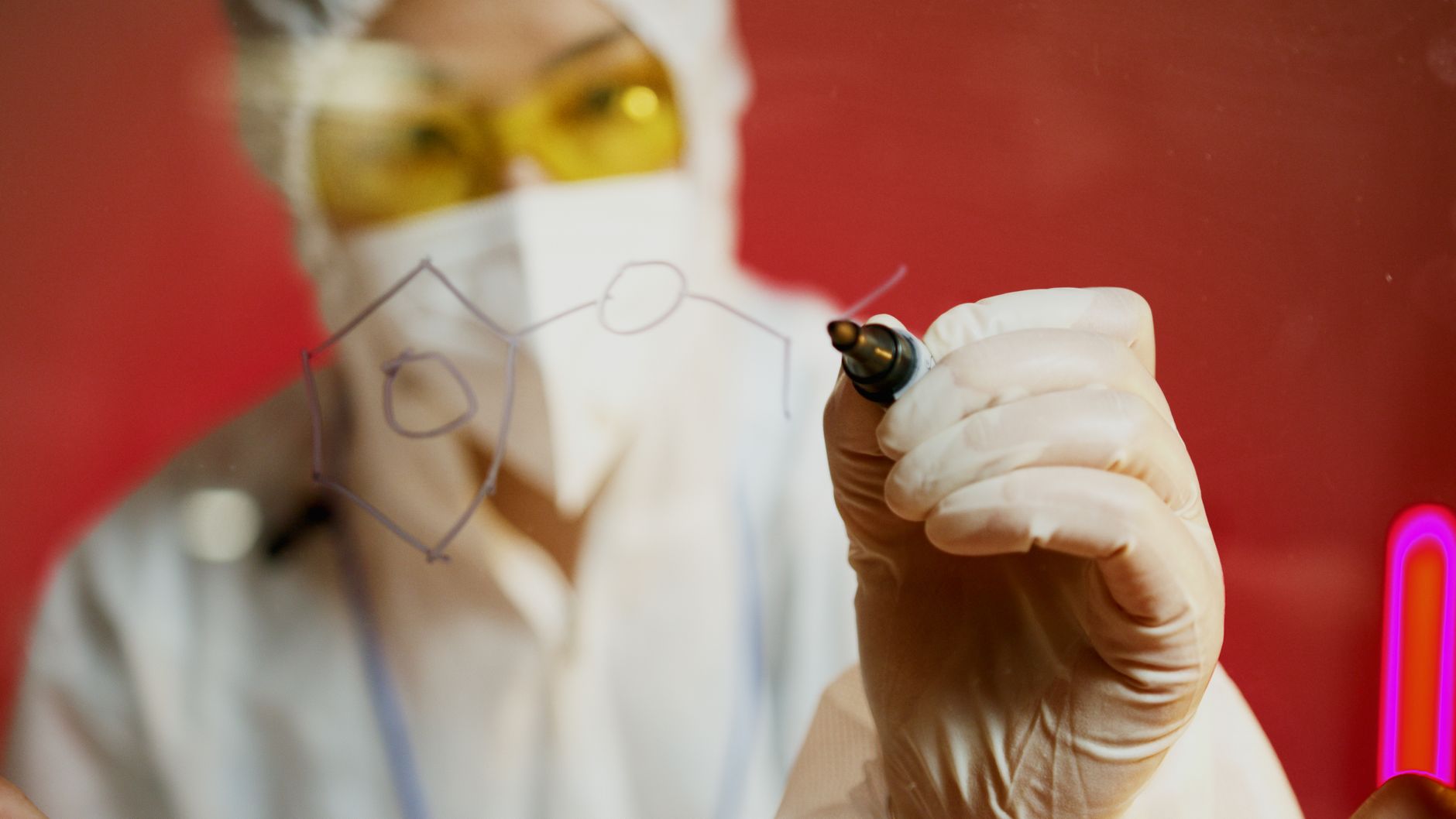
In a ceremony marked by anticipation and a touch of scientific splendour, the Royal Swedish Academy of Sciences has bestowed the 2026 Nobel Prize in Chemistry upon Henri Kagan and Kenso Soai. The distinguished duo has been recognised for their groundbreaking work in asymmetric catalysis, a field that has fundamentally altered the course of chemical synthesis.
The award highlights research that began in the 1980s when Kagan and Soai independently explored the potential of catalysts to control chemical reactions with impeccable precision. Their pioneering methods have facilitated the production of substances in a desired chiral form, a development of immense significance particularly in the pharmaceutical industry, where the chirality of a molecule can determine its therapeutic efficacy.
"The chemical reactions they have developed are spectacular," remarked Heiner Linke, chair of the Nobel Committee for Chemistry, during the announcement in Stockholm. "Their work has opened new pathways for creating drugs and materials with unmatched efficiency and specificity."
Asymmetric catalysis, the focus of Kagan and Soai's research, has become a cornerstone of modern chemistry. By enabling the selective production of one enantiomer over another, it has provided chemists with a powerful tool to synthesise compounds that were previously difficult or impossible to produce on a large scale.
The Global Impact
The implications of their work extend beyond the confines of academic laboratories. In a world where the demand for effective pharmaceuticals is ever-increasing, the techniques developed by Kagan and Soai are being utilised to produce more effective, safer medications. Moreover, their methodologies are being adapted to create new materials with unique properties, potentially leading to innovations in electronics and nanotechnology.
The Nobel Prize, which this year comes with a reward of 12 million Swedish kronor, further cements Kagan and Soai's legacy in the annals of scientific achievement. Their work exemplifies the spirit of the Nobel tradition, which seeks to honour those whose contributions have profoundly impacted humanity.
As the ceremony concluded, the laureates expressed their gratitude and hope that their findings will continue to inspire future generations of chemists. In their words, the quest for knowledge is a journey that knows no end, and their work is but a stepping stone for what lies ahead.