KAIST's Innovative Tech Turns Smartphones into Hidden Camera Detectors
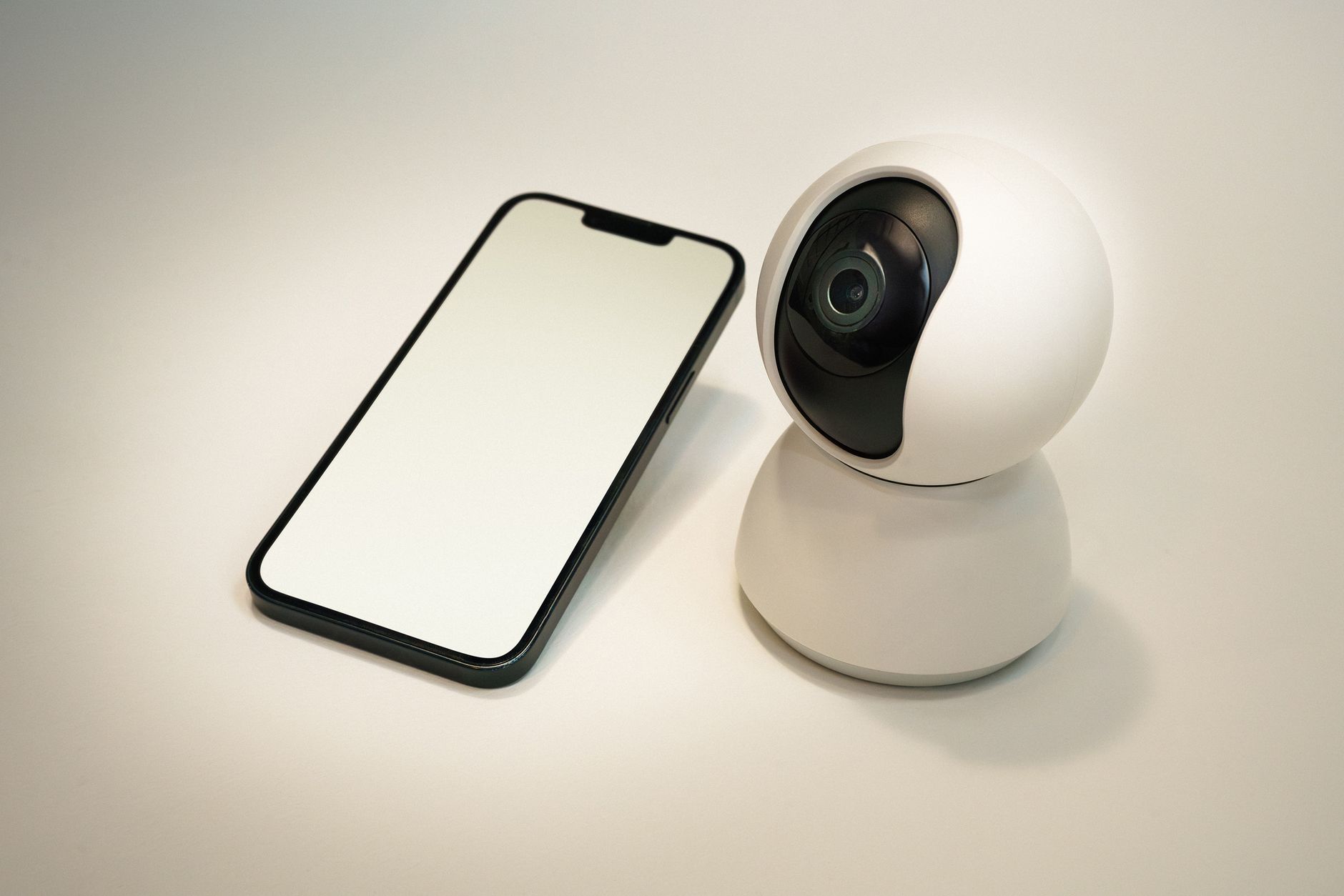
In a world where privacy feels increasingly elusive, a team of researchers at the Korea Advanced Institute of Science and Technology (KAIST) has unveiled a novel technology that promises to transform the way we safeguard our personal spaces. By harnessing the power of artificial intelligence and a simple LED device, your everyday smartphone can now double up as a hidden camera detector.
This innovation arrives as a relief to many who have grown weary of the spectre of secret filming in places they ought to feel secure—hotels, short-term rentals, and even public bathrooms. The team at KAIST aims to put an end to these invasions of privacy with a solution that is both accessible and affordable.
At the heart of this technology is a low-cost LED device that, when attached to a smartphone, works in concert with AI algorithms to seek out lenses hidden in ordinary objects. The LED emits a specific wavelength of light that, when it reflects off a camera lens, is picked up by the smartphone's camera, alerting the user to the presence of a hidden device.
A Practical Approach
Unlike existing counter-surveillance tools, which often require specialised knowledge and equipment, KAIST's technology is designed with the layperson in mind. The simplicity of using a smartphone—a device already ubiquitous in modern life—ensures that anyone can access this level of security without needing technical expertise.
Professor Kim, leading the research team, explained, "Our aim was to democratise privacy protection. By making this technology both affordable and easy to use, we hope to empower individuals to take control of their privacy."
Implications for Privacy
The implications of this development extend beyond individual safety. As public awareness of privacy breaches grows, so too does the demand for practical solutions. This technology could herald a new era of privacy-conscious innovation, encouraging more research and development in the field.
However, the introduction of such technology also raises questions about its limitations and potential misuse. Could this lead to a new arms race of privacy and surveillance technology? For now, KAIST's invention remains a promising tool for those who value their privacy, a small but significant step towards reclaiming control over personal spaces.