Karachi's Vanishing Mangroves: A Threat to Ecology and Livelihoods
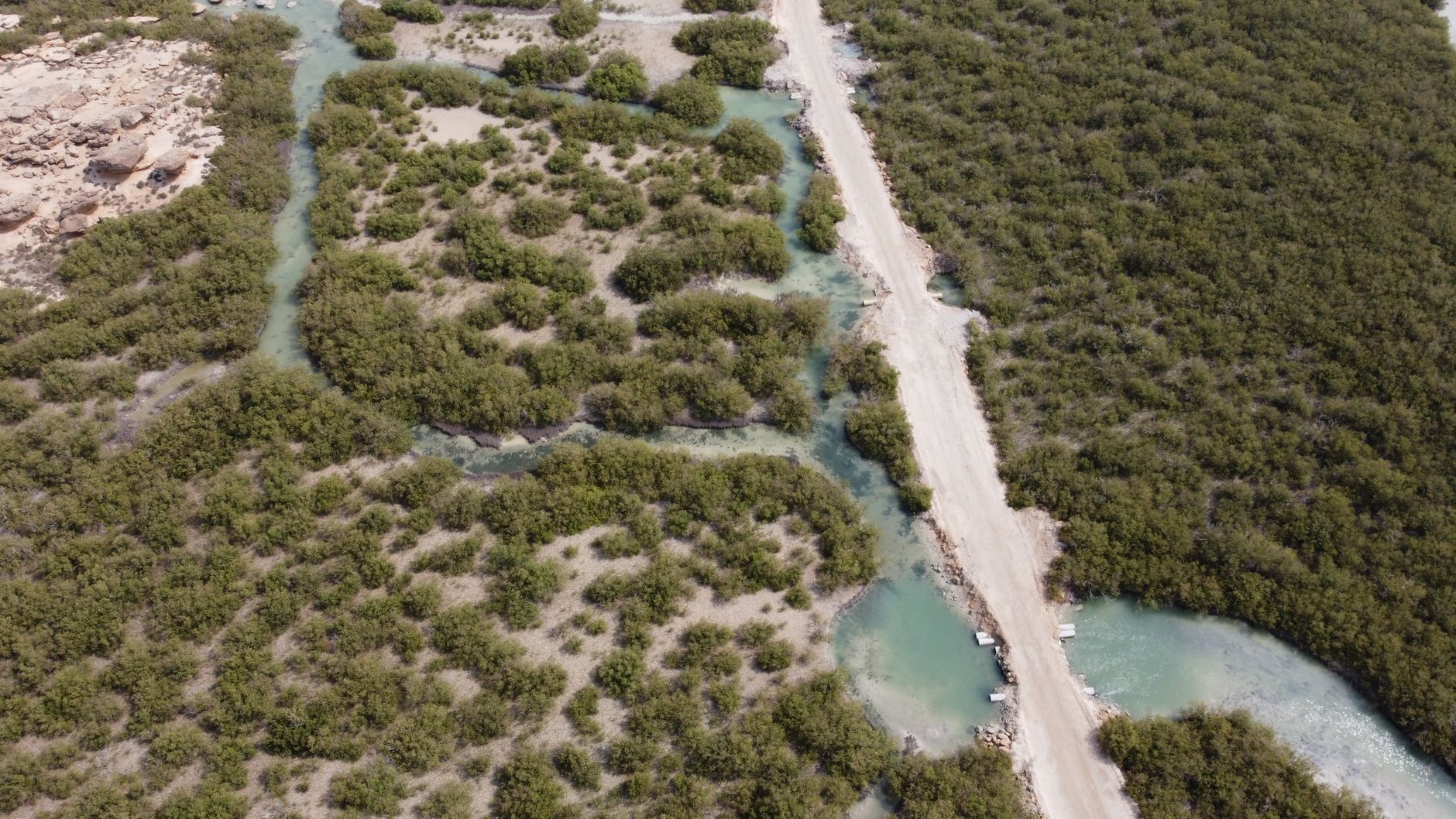
In the shadow of Karachi's ever-expanding urban sprawl, a quiet tragedy unfolds. At Korangi Creek, mangroves, often considered the city’s green lungs, are being felled with alarming regularity. The culprits: land reclamation projects that promise development but deliver environmental degradation. This clandestine activity not only threatens local biodiversity but also the very fabric of human life in the region.
The mangroves, known locally as 'Timar', serve as natural buffers against the sea, protecting Karachi from the ravages of storms and coastal erosion. They are also crucial breeding grounds for marine life, supporting the livelihoods of countless fishermen in the area. Yet, despite their importance, these ecosystems are being uprooted, often under the cover of institutional indifference and lax enforcement of environmental laws.
Environmental experts have long warned of the repercussions of mangrove destruction. With each tree that falls, the city loses a piece of its natural defence against climate change. The rise in illegal encroachments, ostensibly for development, has exacerbated the situation, with mangroves being cut down indiscriminately for land that is then sold at a premium.
Legal and Environmental Concerns
While government and semi-government bodies hold significant land ownership around Karachi's coastal areas, the enforcement of environmental regulations remains woefully inadequate. Under Pakistani law, mangroves are protected, yet the reality on the ground tells a different story. The lack of stringent penalties and accountability for violators has emboldened those seeking short-term gains over long-term sustainability.
The situation is further compounded by the community's reliance on mangroves for firewood and other resources, driven by economic necessity. However, the broader implications of such actions are dire, with the potential for increased flooding, loss of marine biodiversity, and a decline in fish stocks that sustain local markets.
Hope Amidst Despair?
Despite these challenges, there is a glimmer of hope. Environmental activists are raising awareness and pushing for better protection of these vital ecosystems. Initiatives to promote eco-tourism and educate the public about the importance of mangroves are gaining traction. However, the success of such efforts hinges on robust legal frameworks and the commitment of authorities to enforce them rigorously.
As Karachi stands on the precipice of environmental disaster, the fate of its mangroves hangs in the balance. The choices made today will determine not only the city’s ecological future but also the livelihoods of those who call it home.