Karnataka Farmers Turn to Biochar in Eco-friendly Soil Revolution
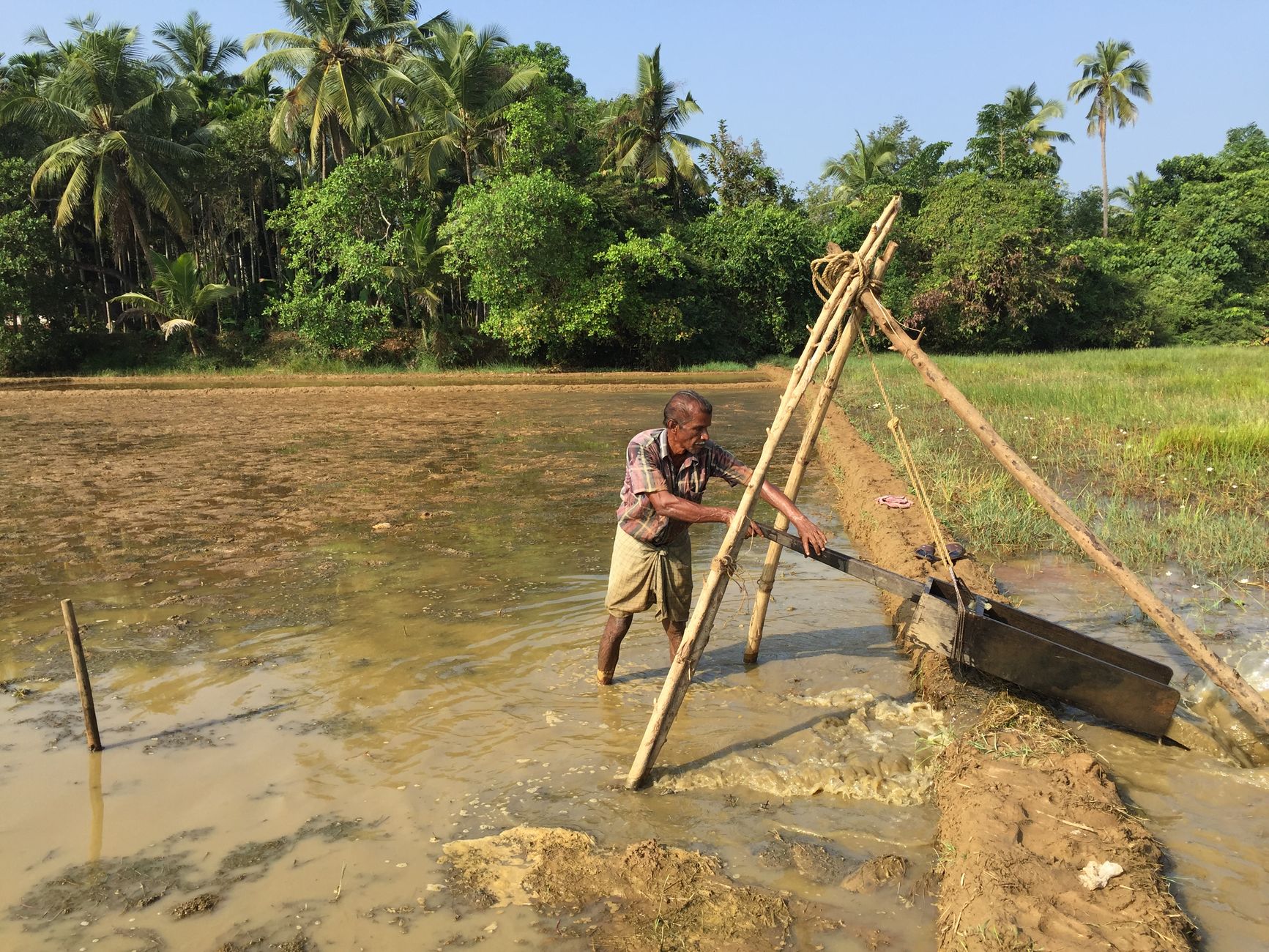
In the lush fields of Karnataka, a quiet revolution is underway. Farmers, traditionally burdened by the dual challenges of maintaining soil fertility and managing agricultural waste, are now turning to an innovative yet simple solution: biochar. Thanks to a programme spearheaded by the University of Agricultural Sciences, Bangalore (UAS-B), this ancient method of soil enhancement is being revitalised with modern techniques.
Biochar, a form of charcoal produced from plant matter and agricultural waste, is now within reach of farmers across the region. The process involves filling a drum with crop residues and transforming them into a rich soil enhancer through controlled burning. This approach not only aids in sequestering carbon but also significantly improves soil health by increasing its organic matter content.
Empowering Local Farmers
At the heart of this initiative is the training provided by UAS-B. Farmers are taught the soil pit method, demonstrated by the project partner Adakarbon, which uses minimal resources and maximises output. Workshops across the state begin with a detailed introduction to the benefits of biochar, followed by a hands-on demonstration of its production.
The potential benefits are manifold. Biochar improves water retention in soil, reduces the need for chemical fertilisers, and diminishes the energy required for traditional farming practices. Moreover, it addresses a crucial social issue by reducing smoke exposure, a common hazard in rural households often affecting women who handle cooking duties.
A Sustainable Future
The response from farmers has been overwhelmingly positive. Many have noted improved crop yields and healthier soil. This transformation is not merely technological but cultural, as farmers embrace a method that aligns with sustainable practices and environmental conservation.
While the adoption of biochar technology is still in its nascent stages, its potential to address food security challenges in the region is immense. By improving soil health and reducing dependency on synthetic inputs, biochar stands as a beacon of hope for sustainable agriculture in India.