Karnataka Imposes Ban on Tourist Vehicles to Shield Hosahalli Betta's Wildlife
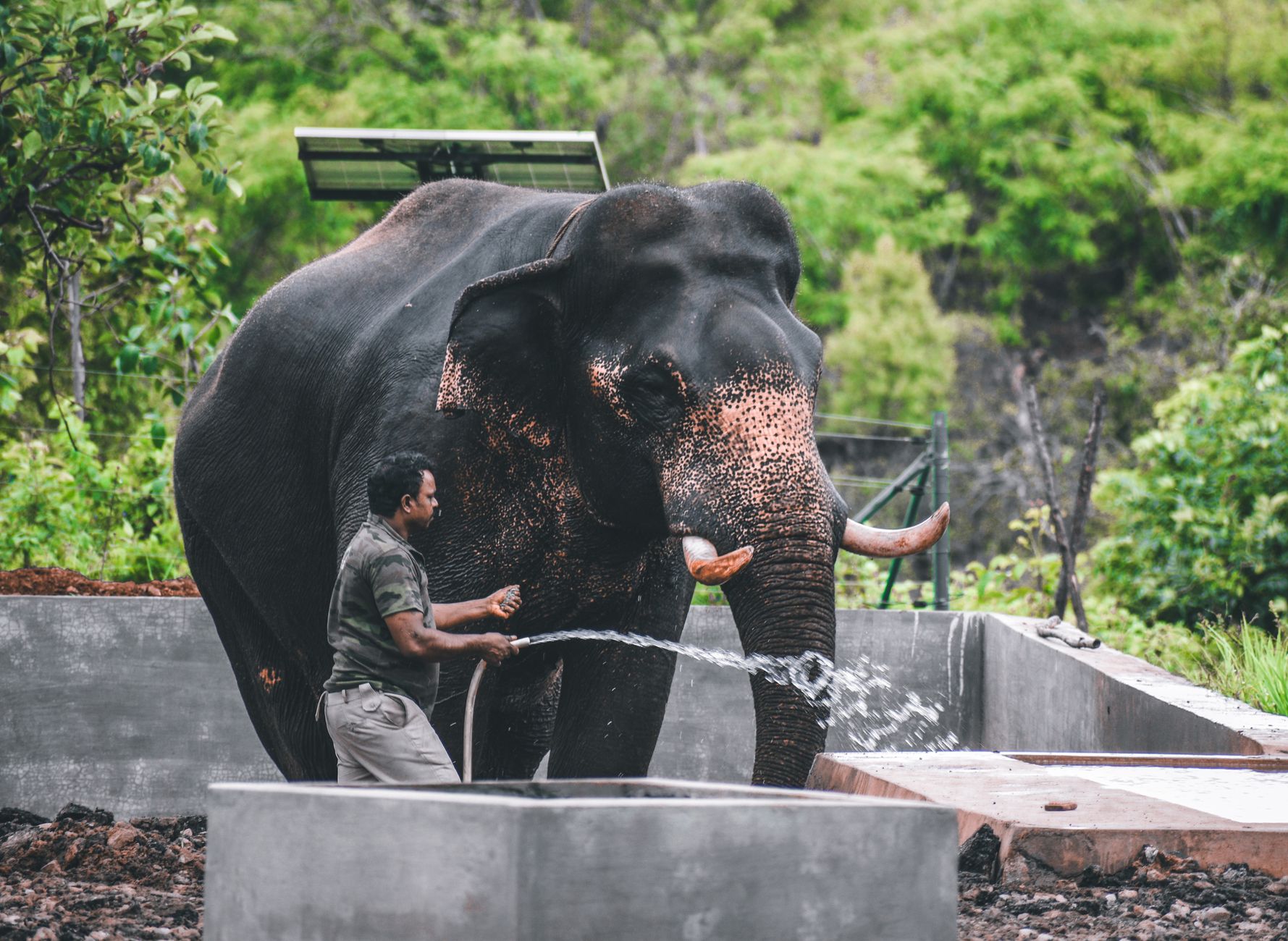
In a bid to shield its delicate ecosystems from the relentless march of tourism, the Karnataka Forest Department has drawn a line in the sand. Hosahalli Betta and Kagihare, two of the state's cherished natural havens, will no longer echo with the sound of tourist vehicles. This bold decision comes as a response to growing concerns over environmental degradation and wildlife disruption in the region.
The move follows a disturbing incident at Patla Betta, another hill station in the Sakleshpur taluk of Hassan district. A tourist reportedly found themselves at the receiving end of local drivers' ire for daring to ascend the hill in a private vehicle. The altercation spotlighted the simmering tensions between tourism and conservation efforts.
Protecting Nature's Quiet Corners
Hosahalli Betta and Kagihare are not just picturesque hills; they are vital biodiversity hotspots. The Forest Department's ban is an assertion of the need to prioritise the environment over unrestrained tourism. Local wildlife, already under pressure from human encroachment, stands to benefit significantly from reduced vehicular traffic.
The decision aligns with broader measures in Karnataka, where trekking in forested areas has been suspended until summer's end. This is part of a concerted effort to allow natural habitats to recover and thrive without the constant disturbance of human activity.
A Delicate Balance
Tourism is a double-edged sword. It brings economic benefits but also poses serious environmental challenges. In regions like Hosahalli Betta, the challenge is to strike a balance between welcoming visitors and preserving the pristine quality of the landscape. The Forest Department's latest action is a reminder of the fragile balance that must be maintained.
While the ban might inconvenience some tourists, it offers a necessary reprieve for the region's flora and fauna. As the state navigates these complex dynamics, the hope is that such protective measures will serve as a blueprint for sustainable tourism across India.