Karnataka Minister Advocates Murder Charges for Fake Drug Makers
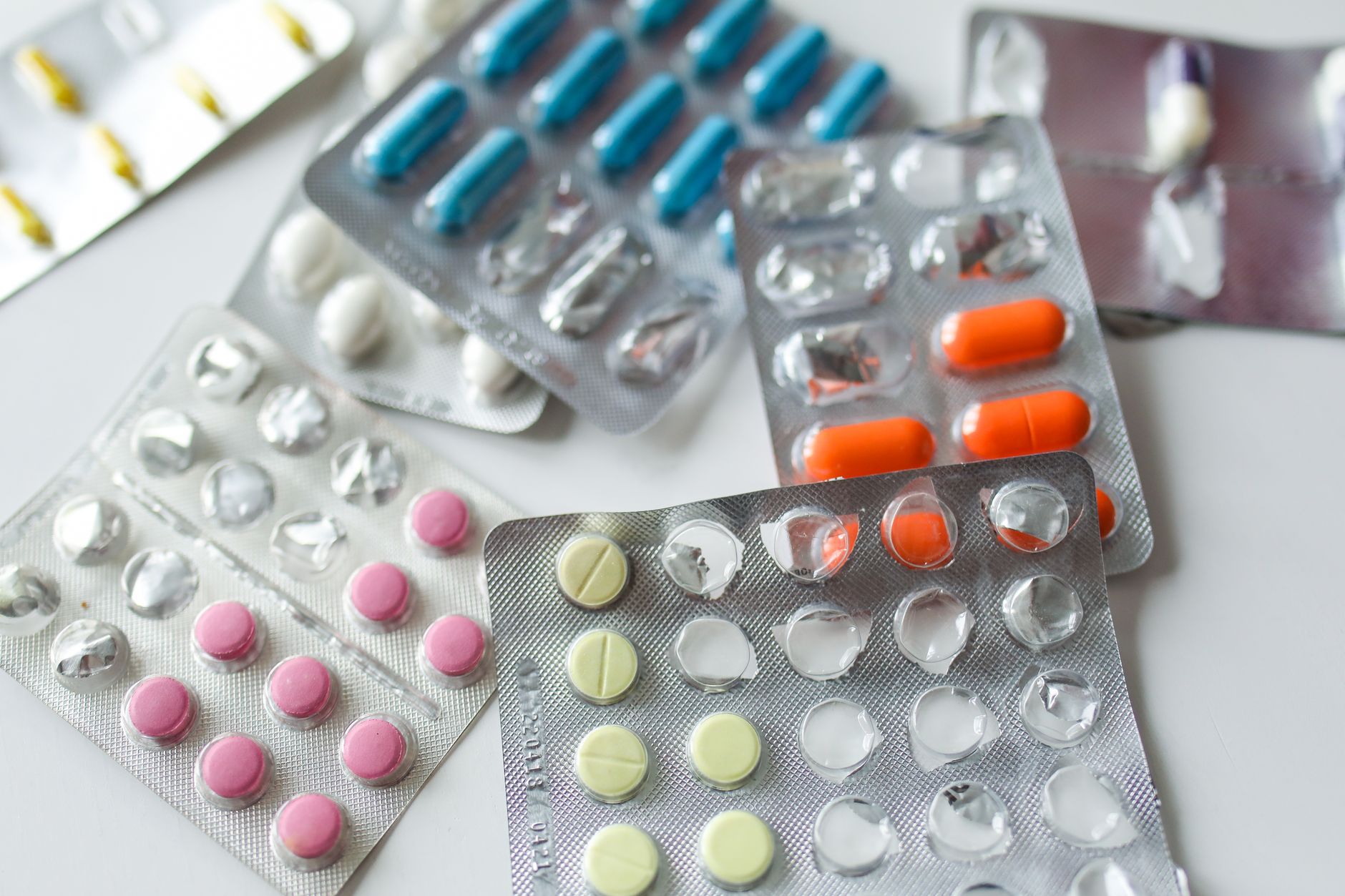
In a bold statement that underscores the gravity of the issue, Karnataka's Health Minister U T Khader has proposed that individuals involved in the creation and distribution of counterfeit medicines should face murder charges. This comes on the heels of a significant breakthrough by state authorities who dismantled a major drug racket in Bengaluru, seizing counterfeit medicines worth approximately ₹5 crore.
Khader's comments reflect a growing frustration with the insidious nature of counterfeit pharmaceuticals, which pose a direct threat to public health. 'These are not mere economic crimes. They endanger lives,' he asserted, suggesting that the legal system needs to take a harsher stance against such activities.
The Unseen Peril
Counterfeit medicines, often indistinguishable from their genuine counterparts, have increasingly infiltrated the healthcare system, presenting a silent yet deadly threat. According to investigators, the seized drugs were fraudulently labelled to appear as products from reputable multinational pharmaceutical companies. This makes it extremely challenging for healthcare providers and patients to spot the fakes.
The ramifications of such deceit are profound. Patients receiving counterfeit medications are at risk of ineffective treatment, prolonged illness, and in some cases, death. As Khader highlighted, 'Each fake medicine can potentially be a weapon.' The minister's call for murder charges aims to deter the manufacture and distribution of these perilous substances.
Public Involvement and Rewards
In an effort to tackle the issue at its root, Khader has also appealed for public assistance. He announced a reward programme offering between ₹10,000 to ₹50,000 for credible information that leads to the discovery and dismantling of counterfeit drug networks. This strategy not only incentivises informants but also raises public awareness about the dangers posed by fake medicines.
The minister's aggressive stance is a clarion call to both policymakers and the public, highlighting the urgent need for stringent measures against counterfeit drug operations. As the investigation continues, the state hopes to send a clear message: the production and distribution of fake medicines will not be tolerated.